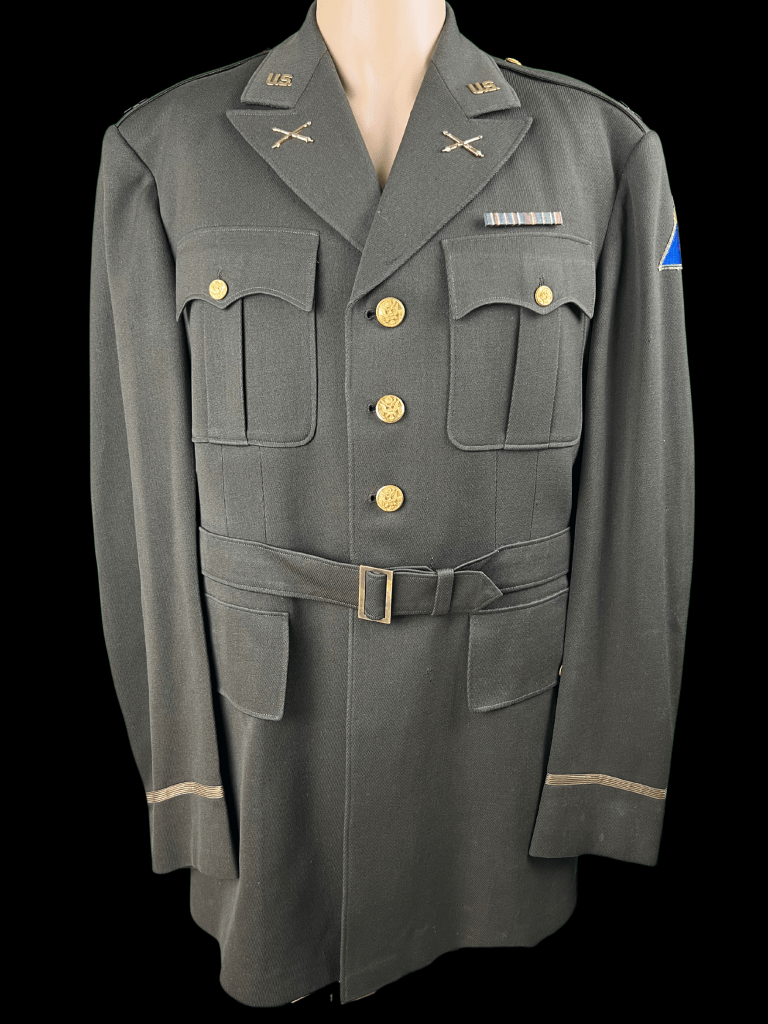
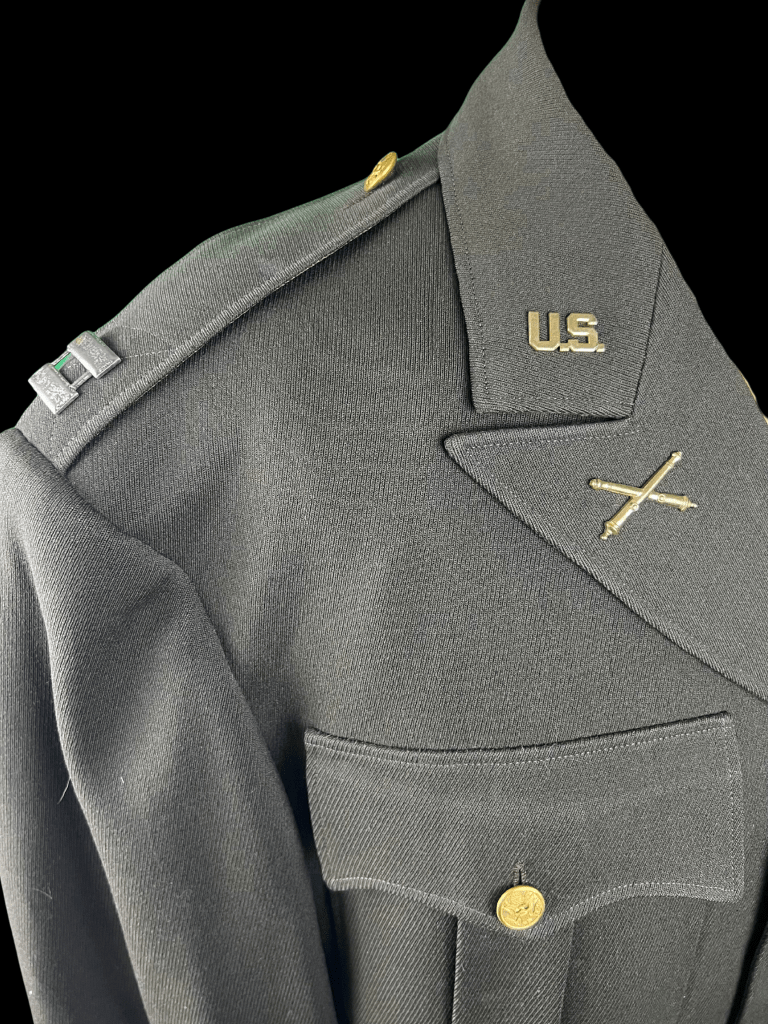
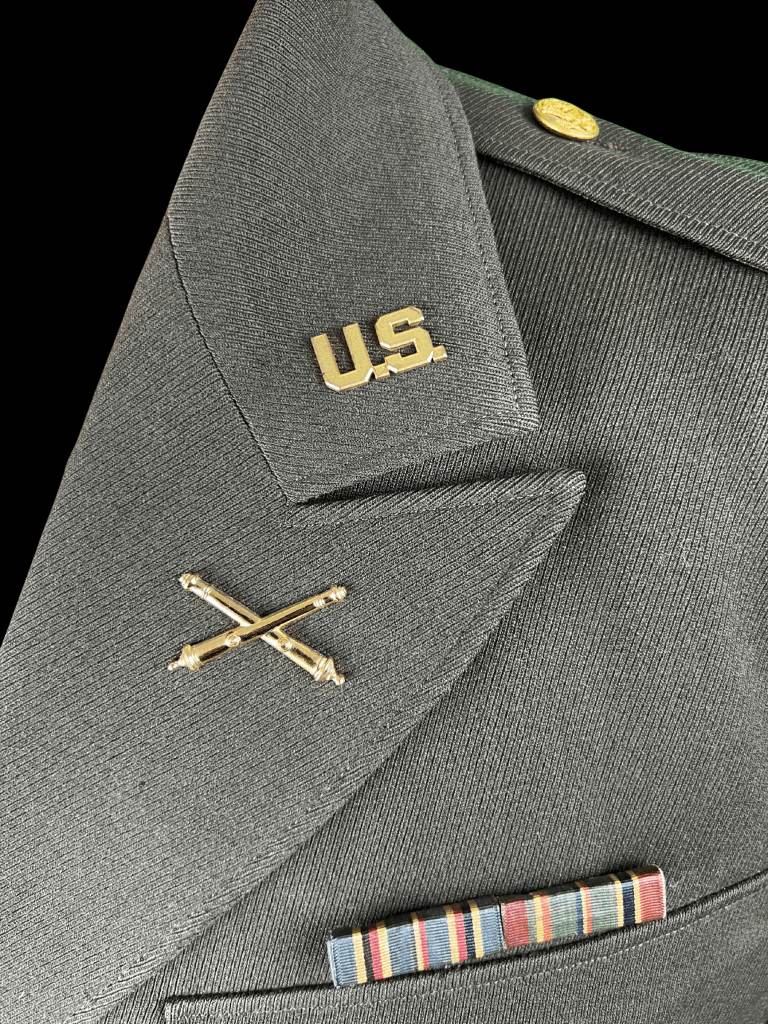
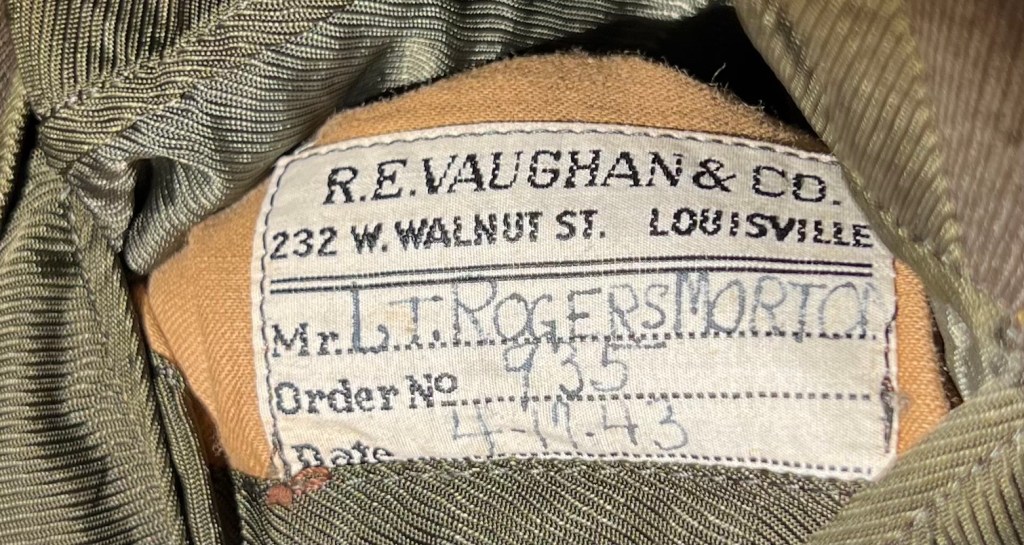
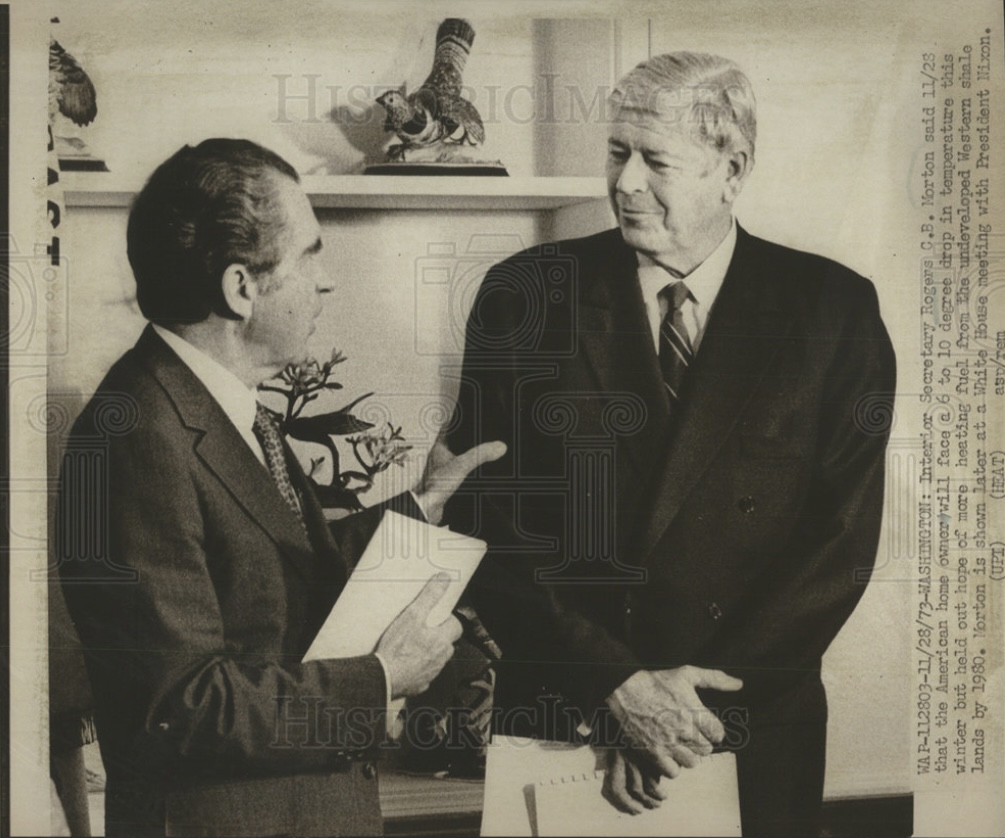
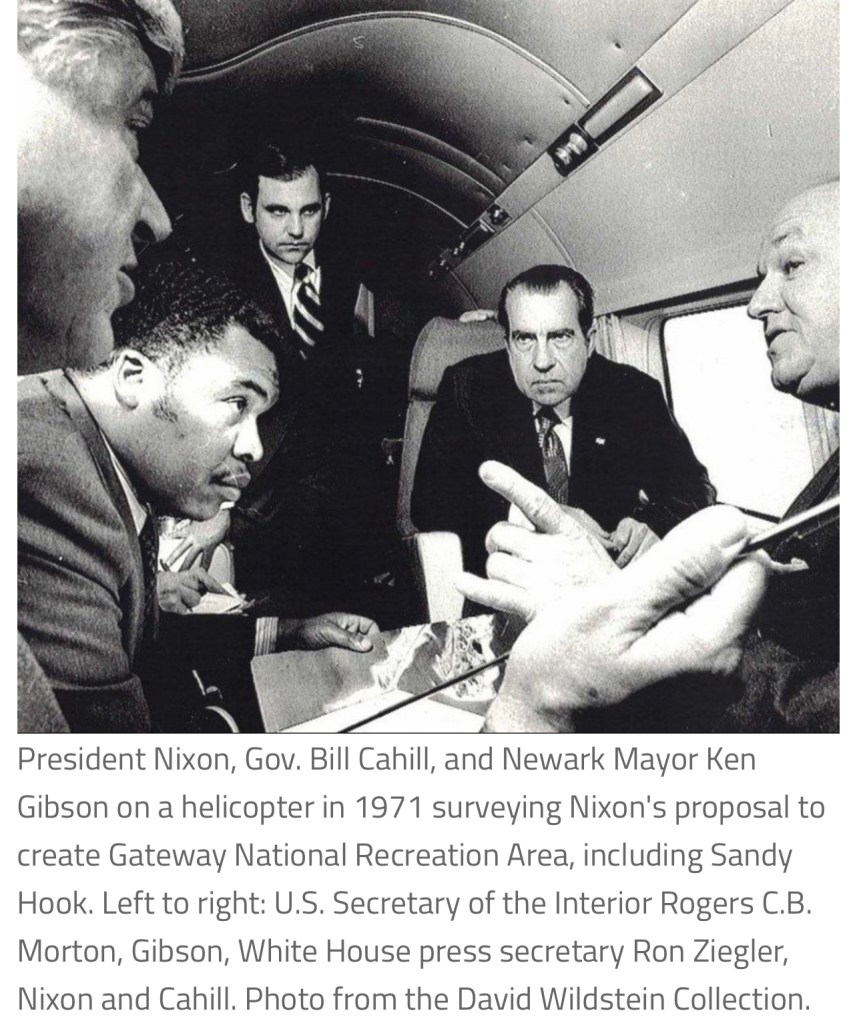
Captain Morton C B Rogers
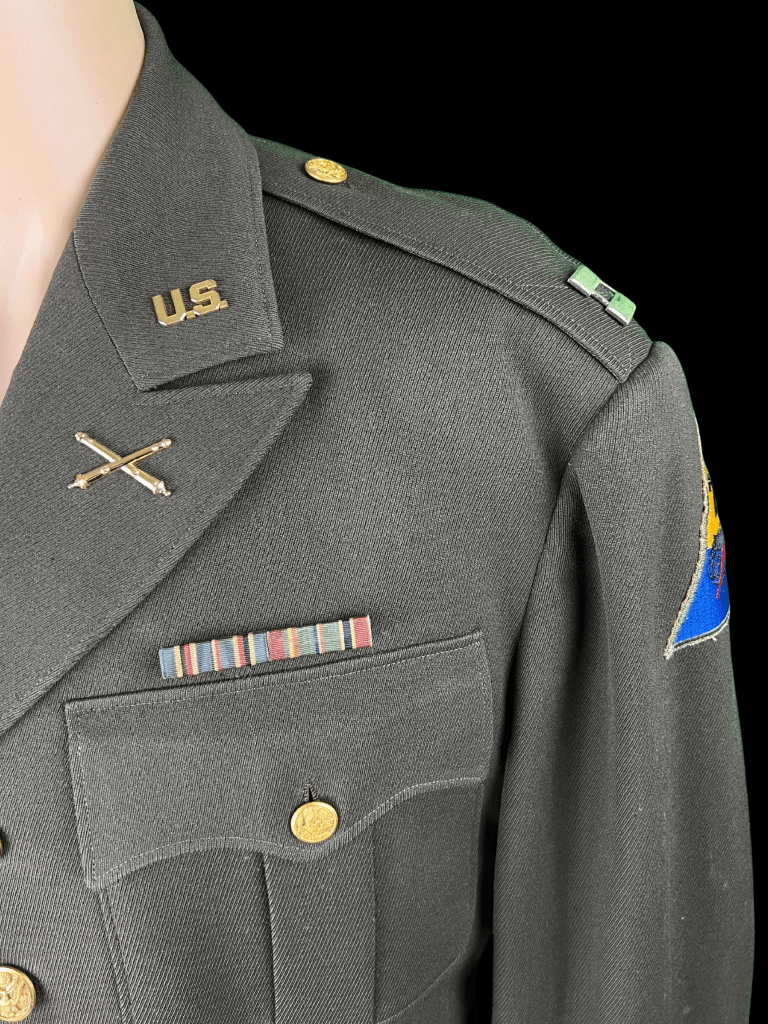
US Army – 20th Armored Division – 414th Armored Field Artillery Battalion
-
Morton C.B. Rogers was born to Dr. David Cummins Morton and Mary Harris Ballard Morton on September 19, 1914, in Louisville, Kentucky. He had three siblings and attended Woodberry Forest School, graduating in 1932. He went on to Yale University, graduating in 1937, and briefly attended Columbia University College of Physicians and Surgeons before leaving. Morton served briefly in the U.S. Navy in 1938 but was discharged due to back issues. In 1939, he married Anne Jones, and they had two children. In 1941, about a year after the U.S. entered World War II, Rogers enlisted in the United States Army.
Training and Stateside Service
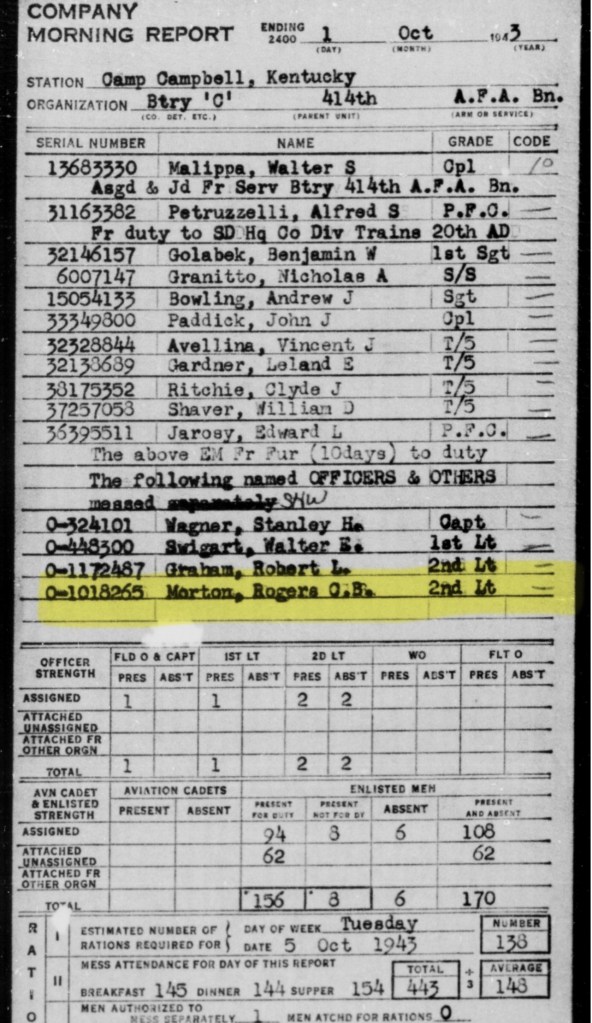
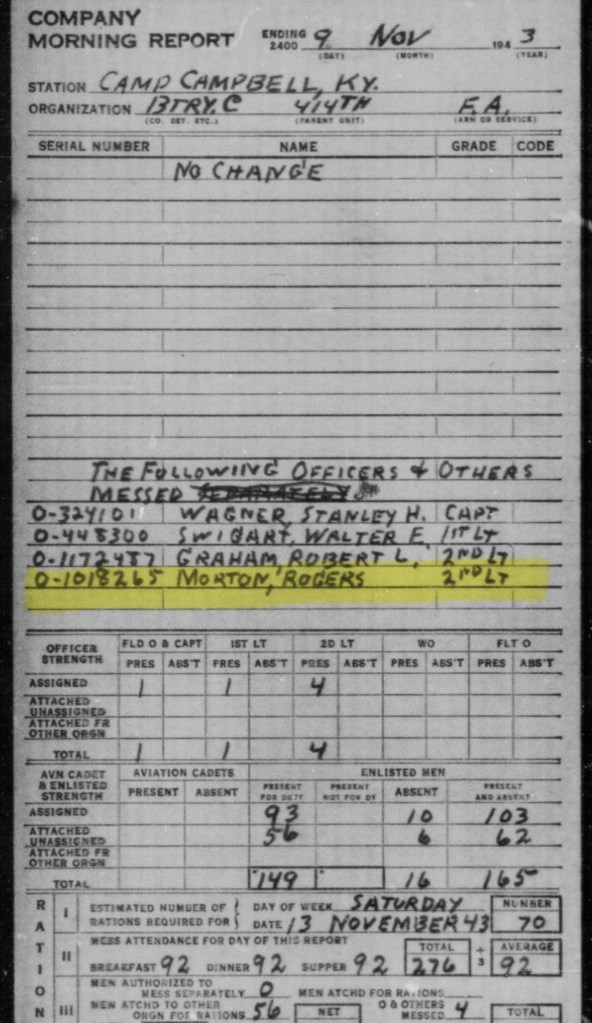
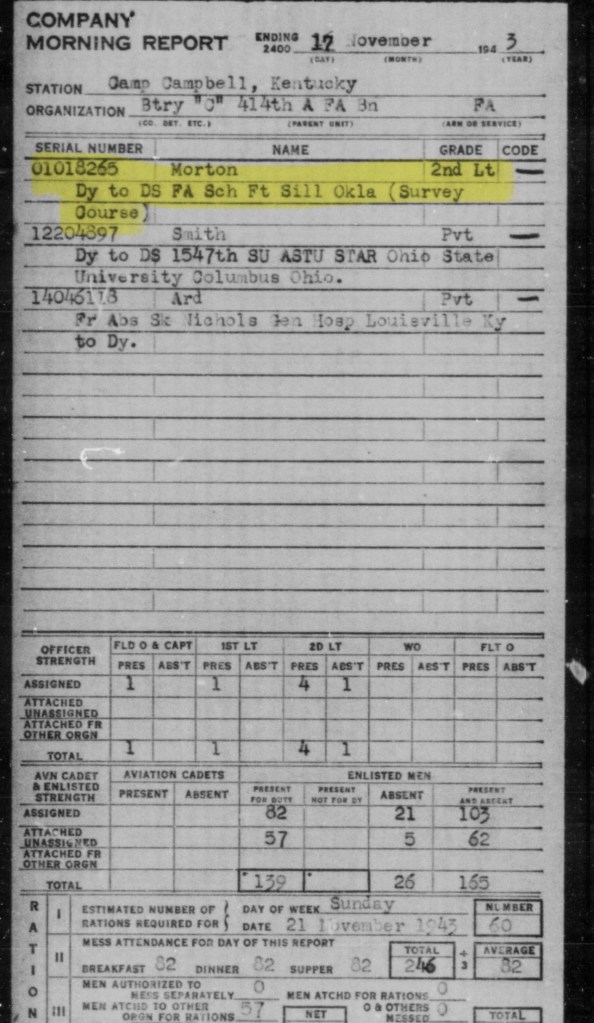
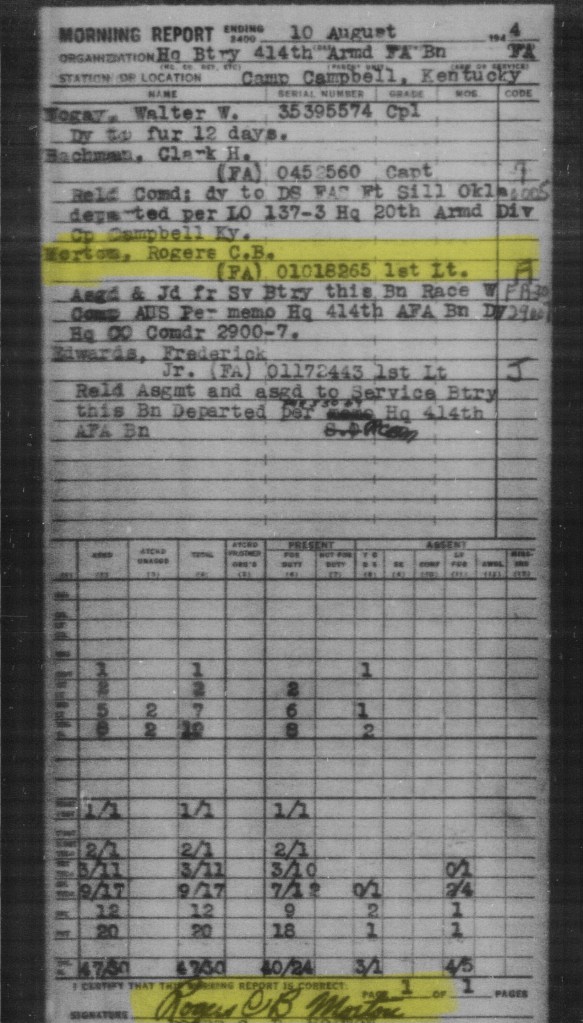
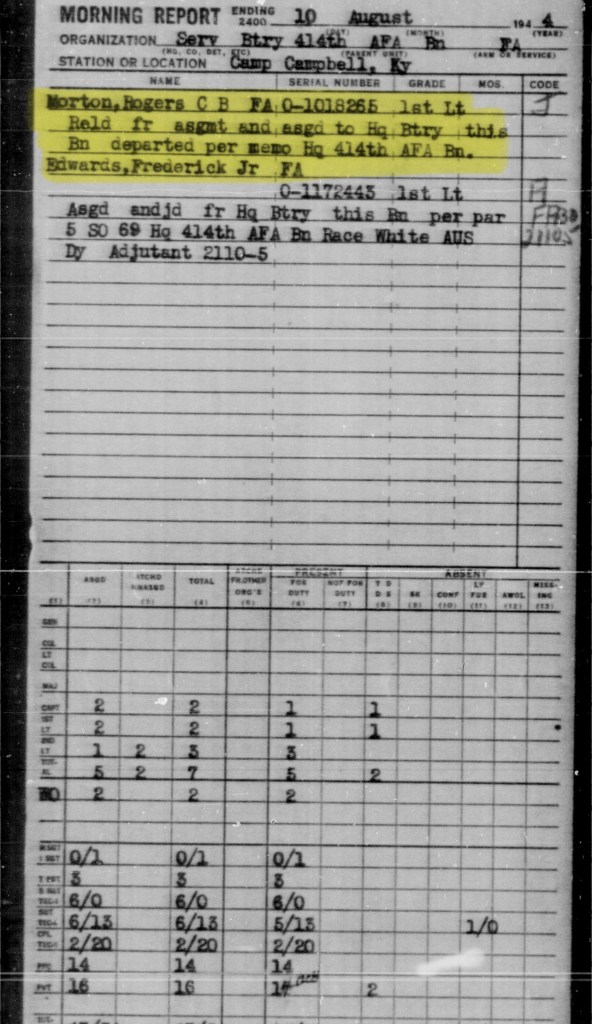
On December 13, 1942, Morton enlisted in the Army and, as a private with college experience, began field artillery training at Officer Candidate School (OCS), Fort Knox, Kentucky. He graduated as a 2nd Lieutenant and appeared on the morning report of October 1, 1943, at Camp Campbell, Kentucky, with Battery C, 414th Field Artillery Battalion. Morton spent much of the war stateside at Camp Campbell, serving in various batteries of the 414th, including Battery C, Service Battery, and Headquarters Battery.
Deployment to Europe
In February 1944, the 414th Field Artillery Battalion prepared for deployment to the European Theater of Operations (ETO). They arrived on February 19, 1945, at Le Havre, France, and were sent for assembly and additional training in Buchy, France. The 414th saw its first combat in early April, providing artillery support to the 101st and 82nd Airborne Divisions near the Rhine River at Delhoven, Germany. From mid to late April, they continued operations, crossing the Danube River on April 28 and taking part in the capture of Munich on April 30, 1945, facing resistance that included elements of the SS.
Liberation of Dachau
On April 29, 1945, elements of the 20th Armored Division, including the 414th, participated in the liberation of Dachau Concentration Camp, where approximately 22,100 prisoners were freed.
Post-War Life
Morton returned home after the war and resumed civilian life, raising his two children with Anne Jones. He remained involved in his community and professional pursuits. Morton C.B. Rogers passed away on April 19, 1979, in Easton, Maryland.


 Mass Militaria & Antiques