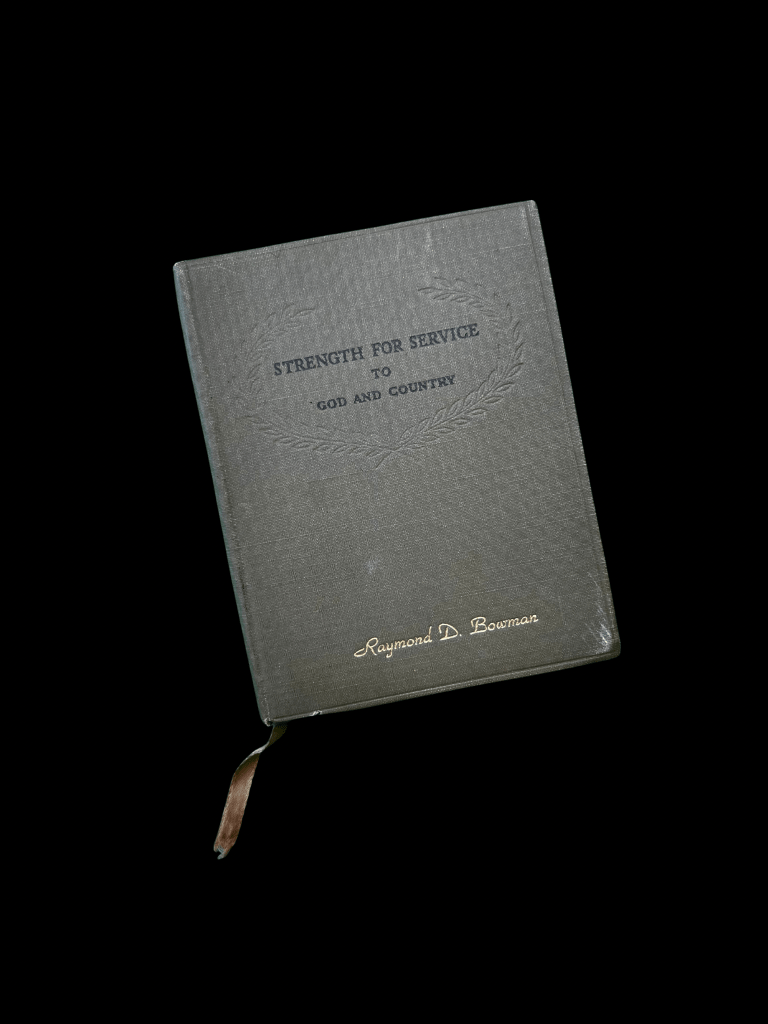
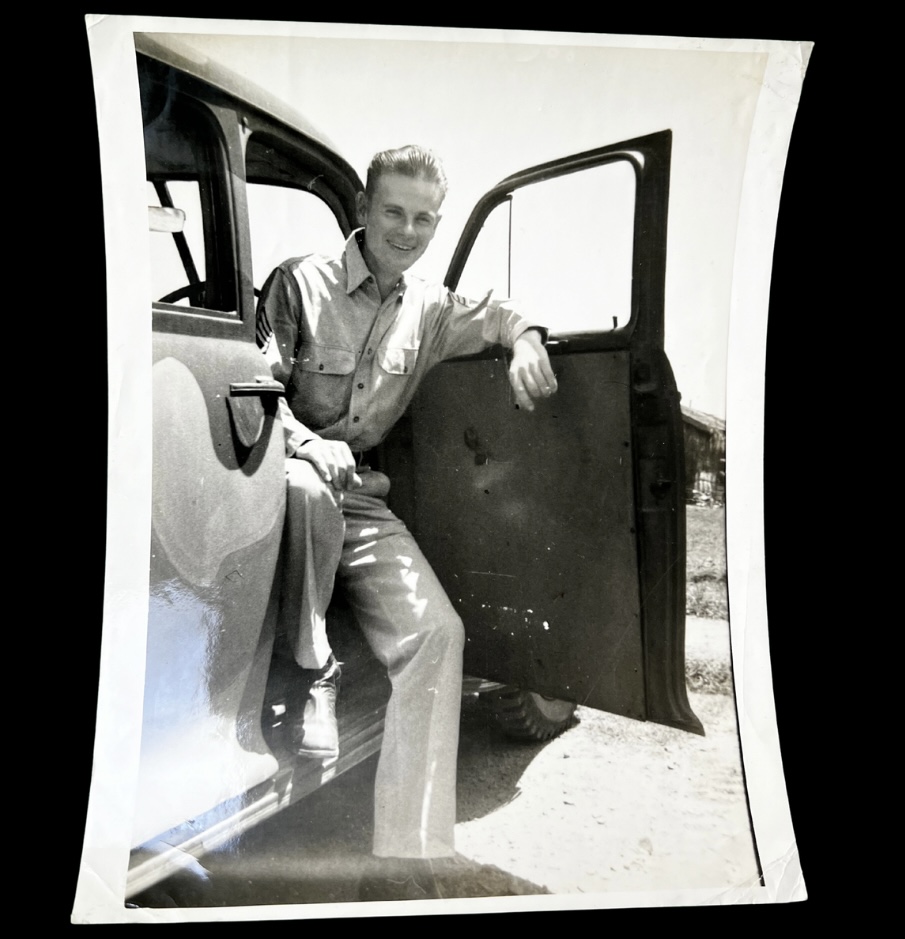
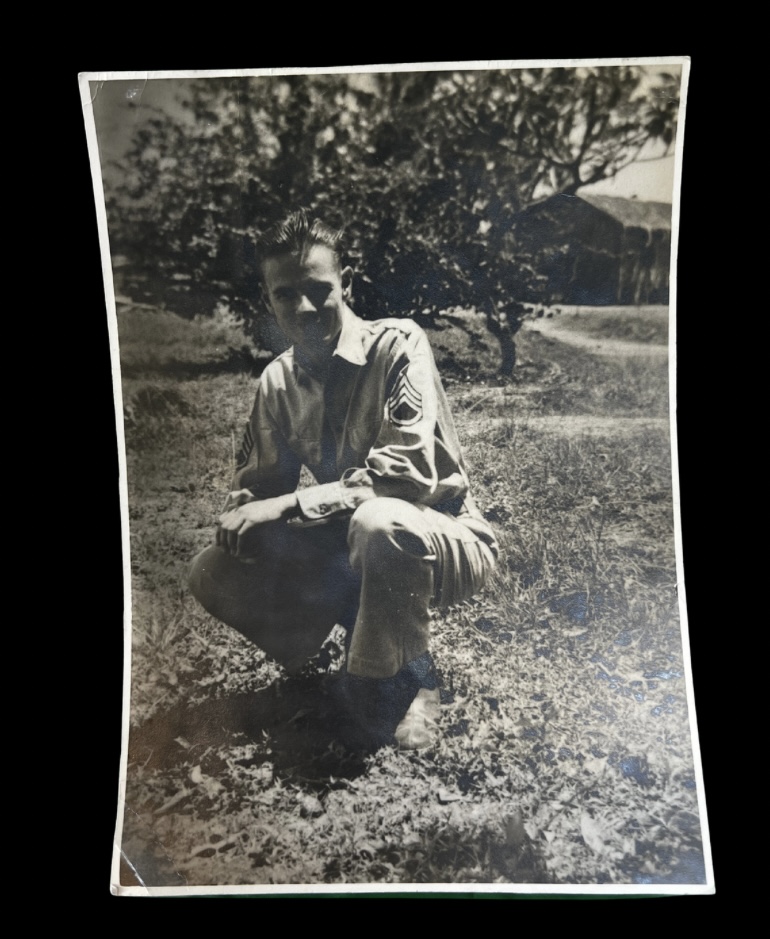
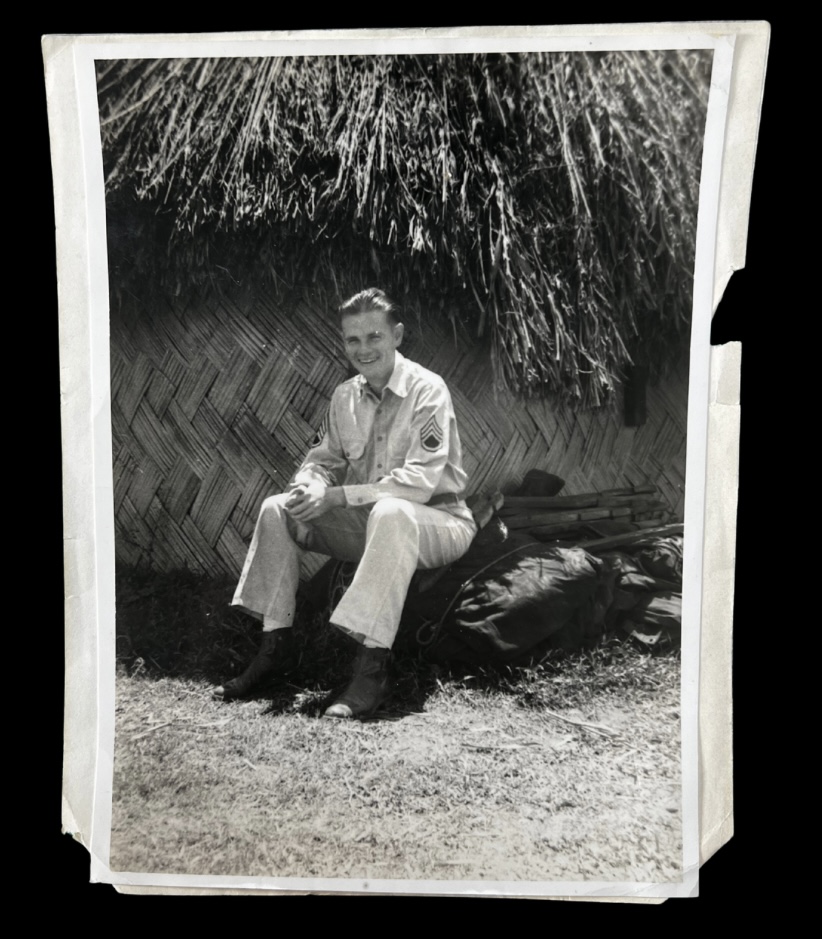
Master Sergeant Raymond D. Bowman
US Army – 251st Coastal Artillery Regiment – Battery “G” / 37th Infantry Division – MP Company / 23rd Infantry Division – MP Company
-
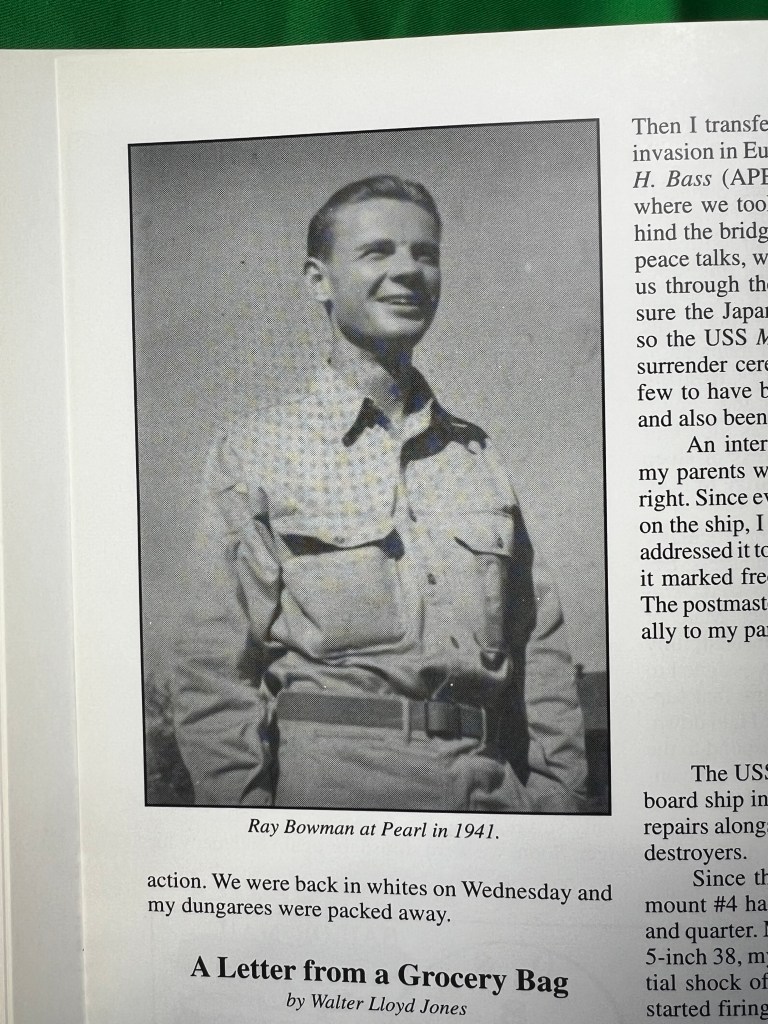
Raymond D. Bowman was born to parents Rawley David Bowman and Vesta Virginia Ratliff Bowman in Green Valley, Bath County, Virginia, but moved to Long Beach, California, with his family at the age of 3. As a child, he became a prodigy violinist, encouraged by his mother, who had a love of classical music. His family survived the 1933 earthquake. Raymond graduated from Wilson High School in Long Beach and went on to attend and acquire a literature degree at Columbia University in New York.
Pre-War Military Service
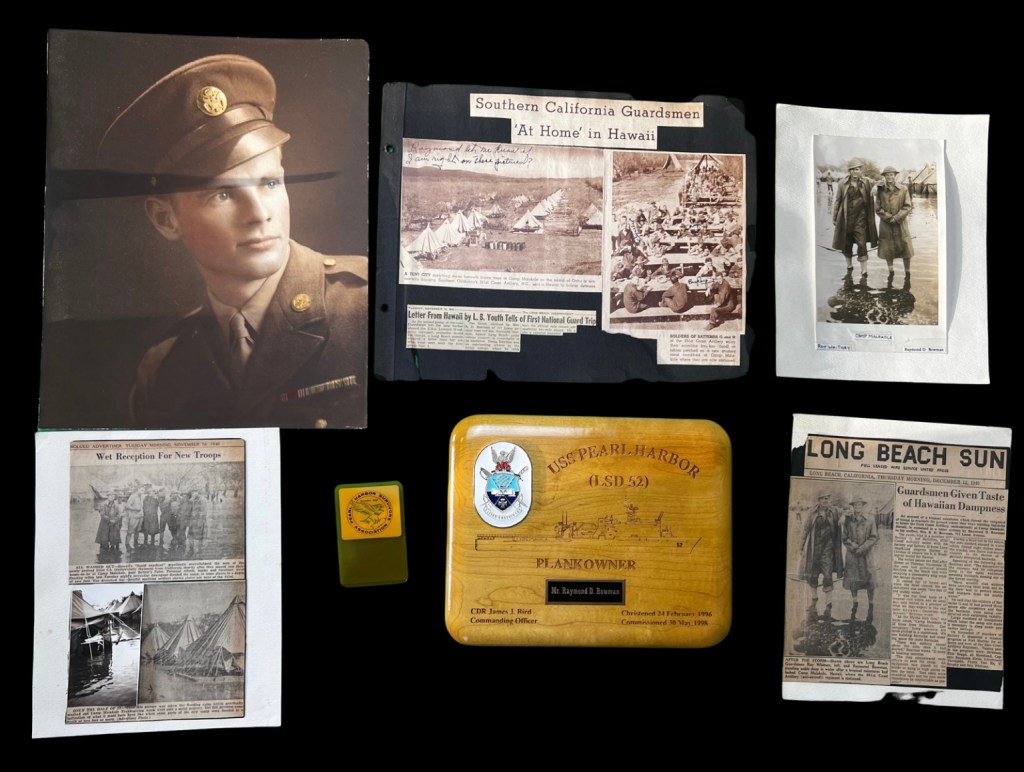
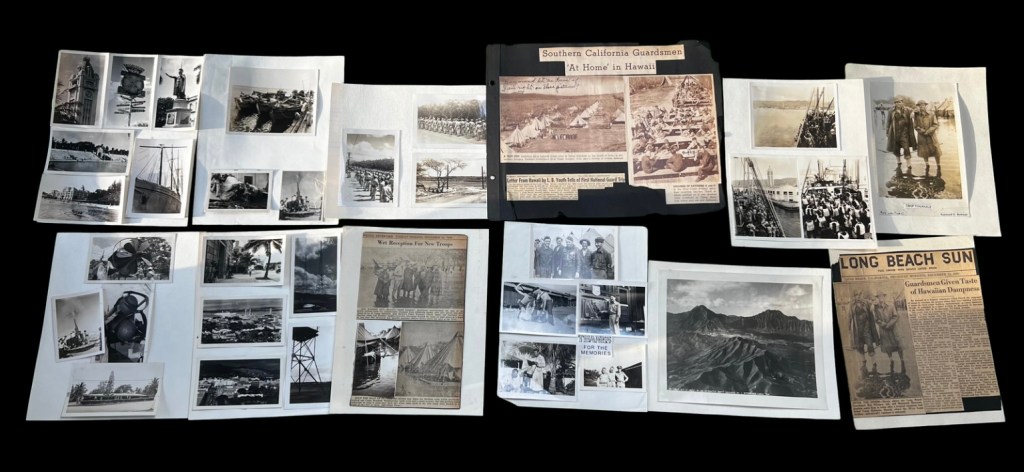
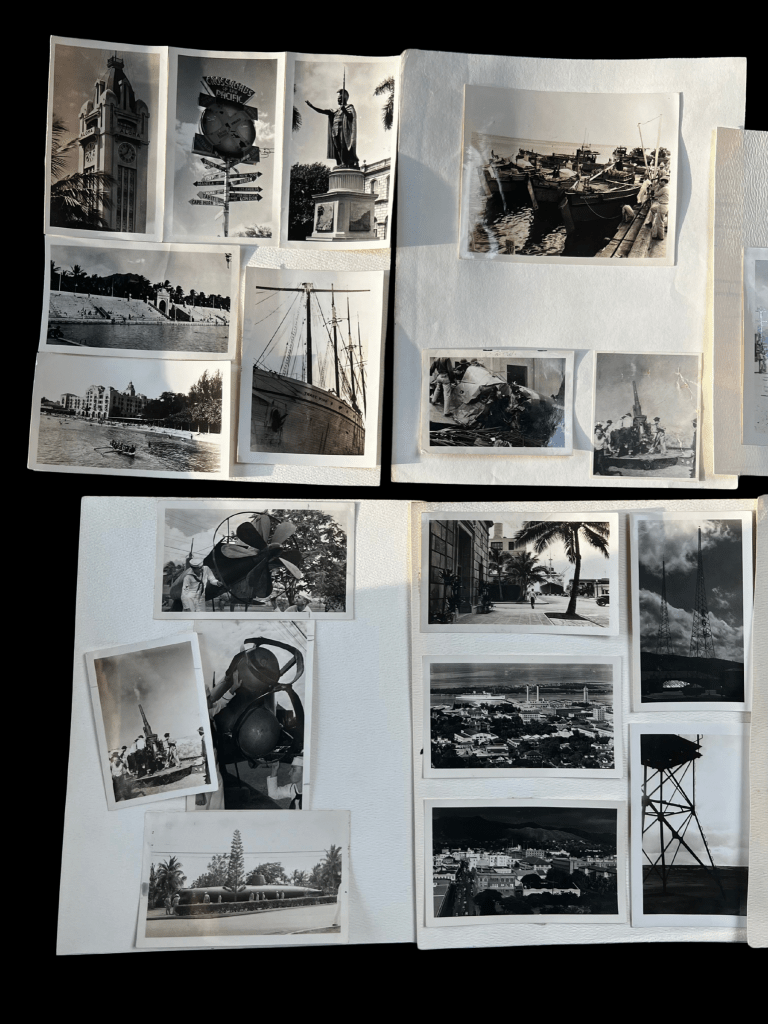
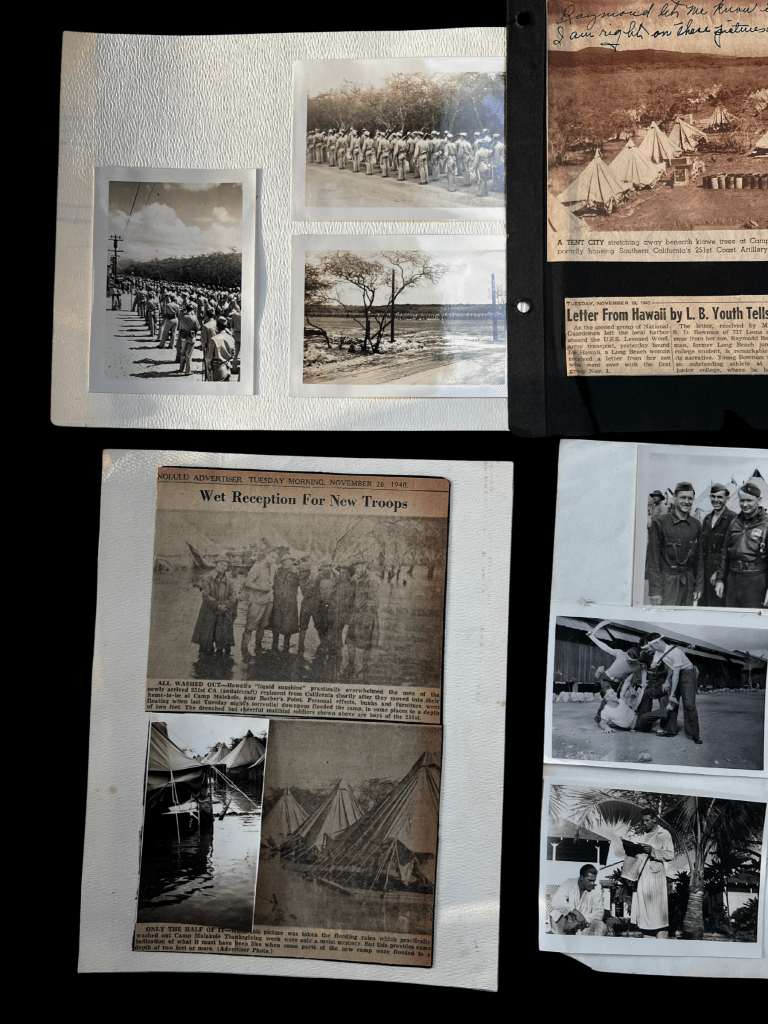
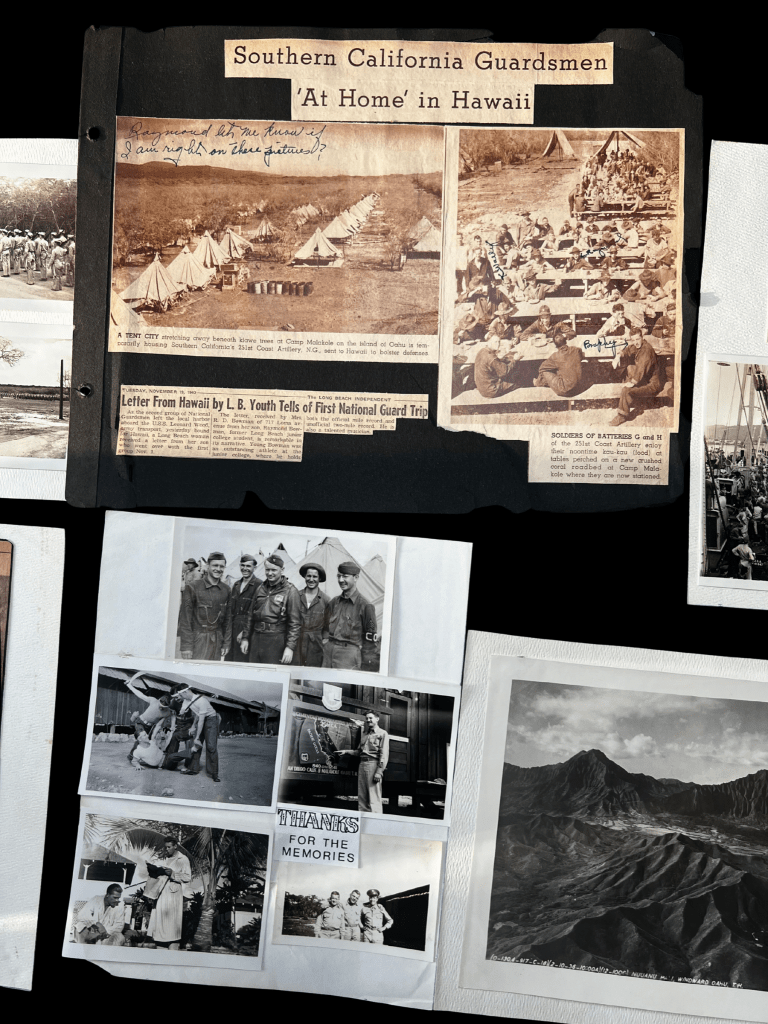
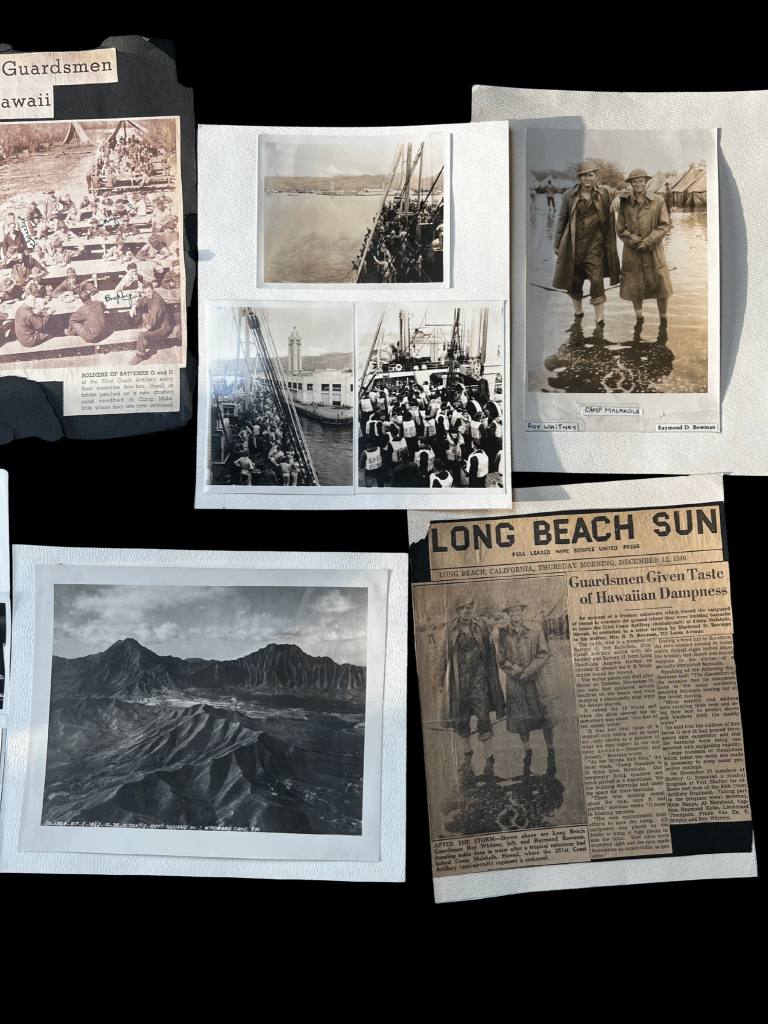
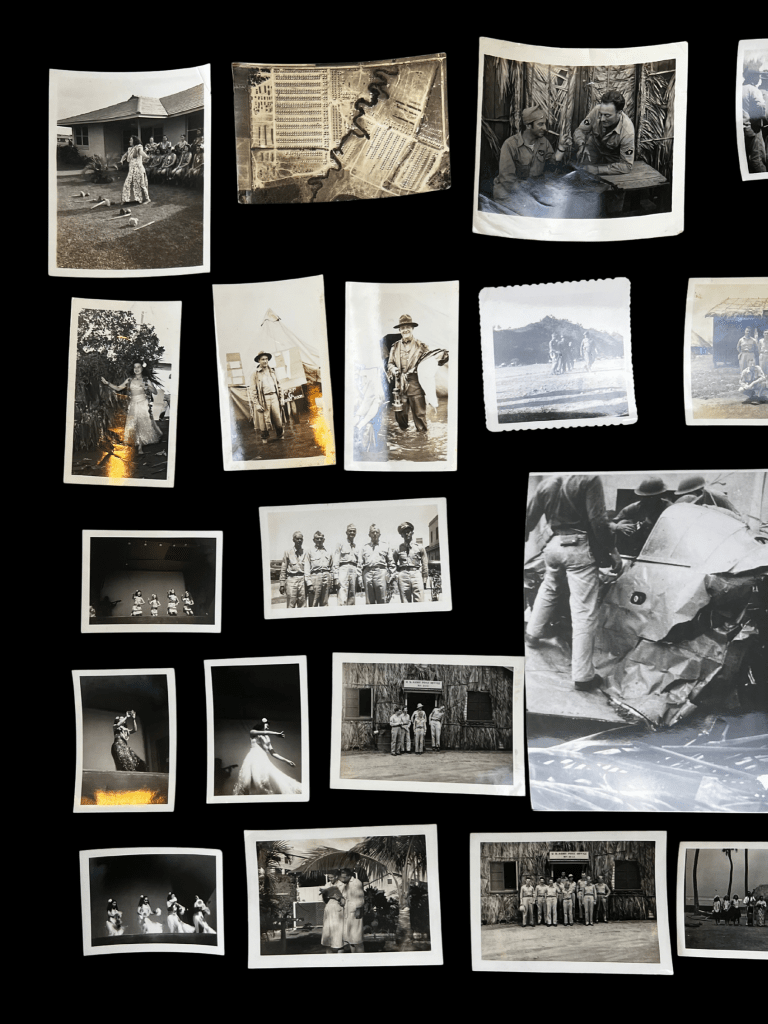
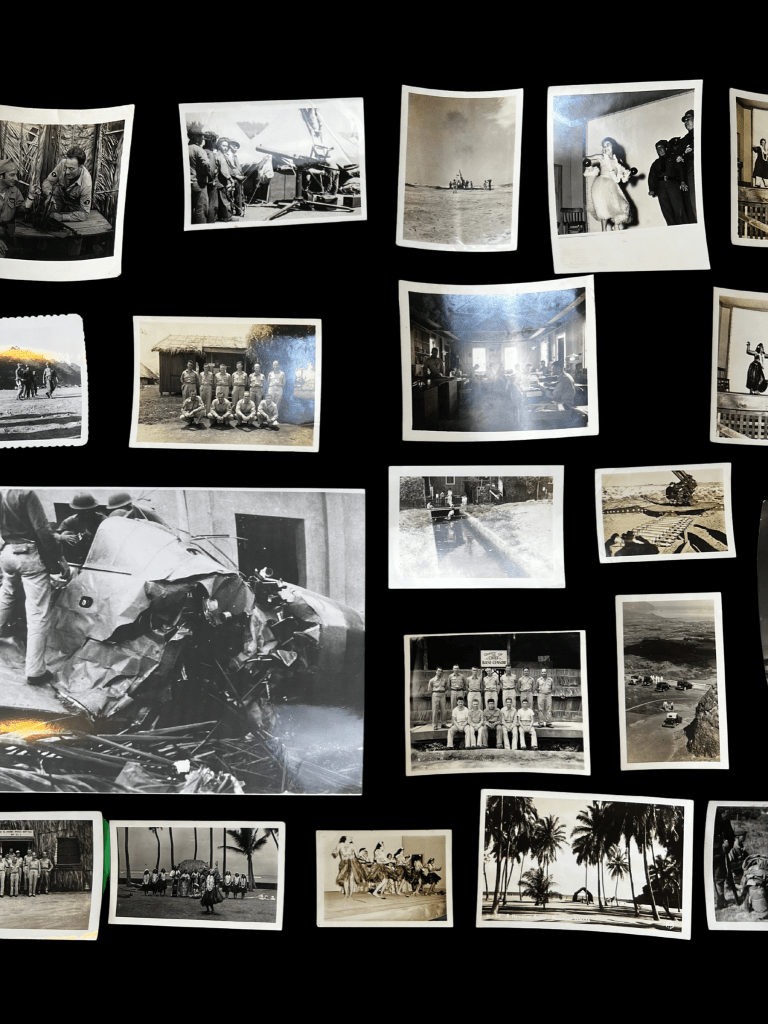
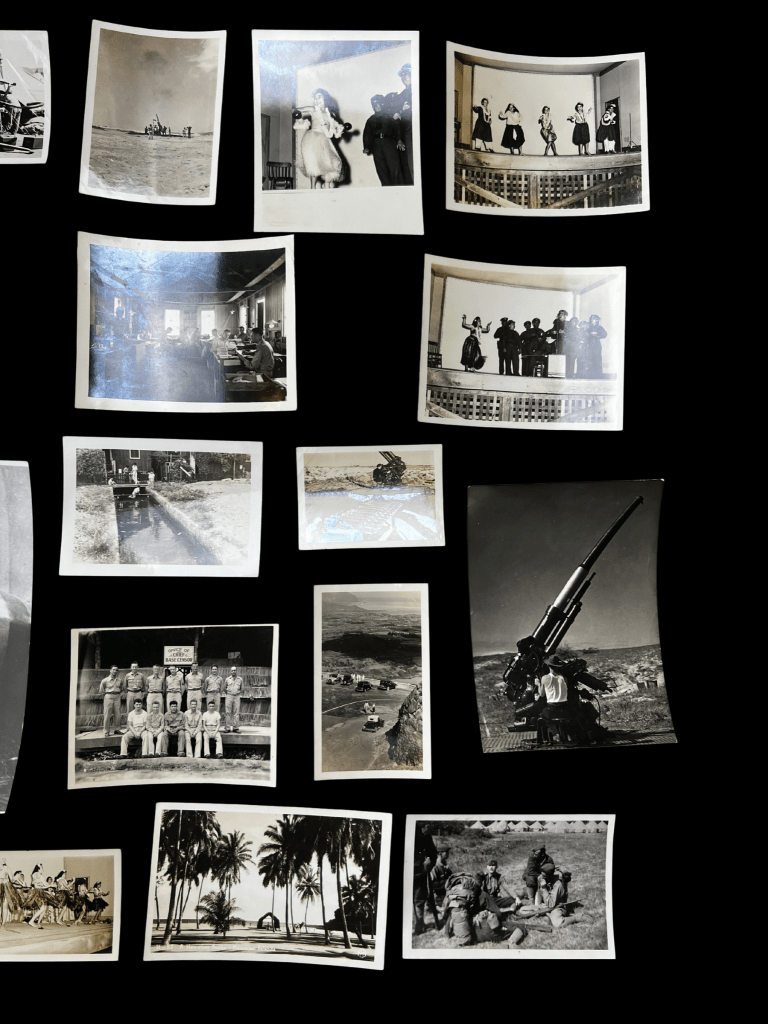
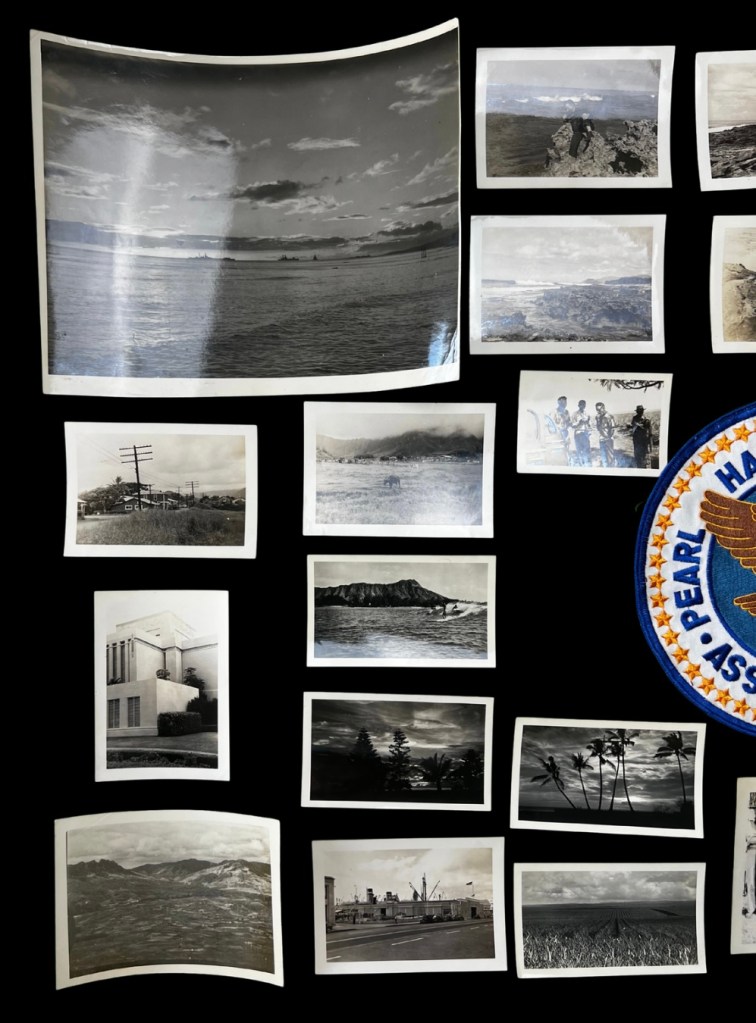
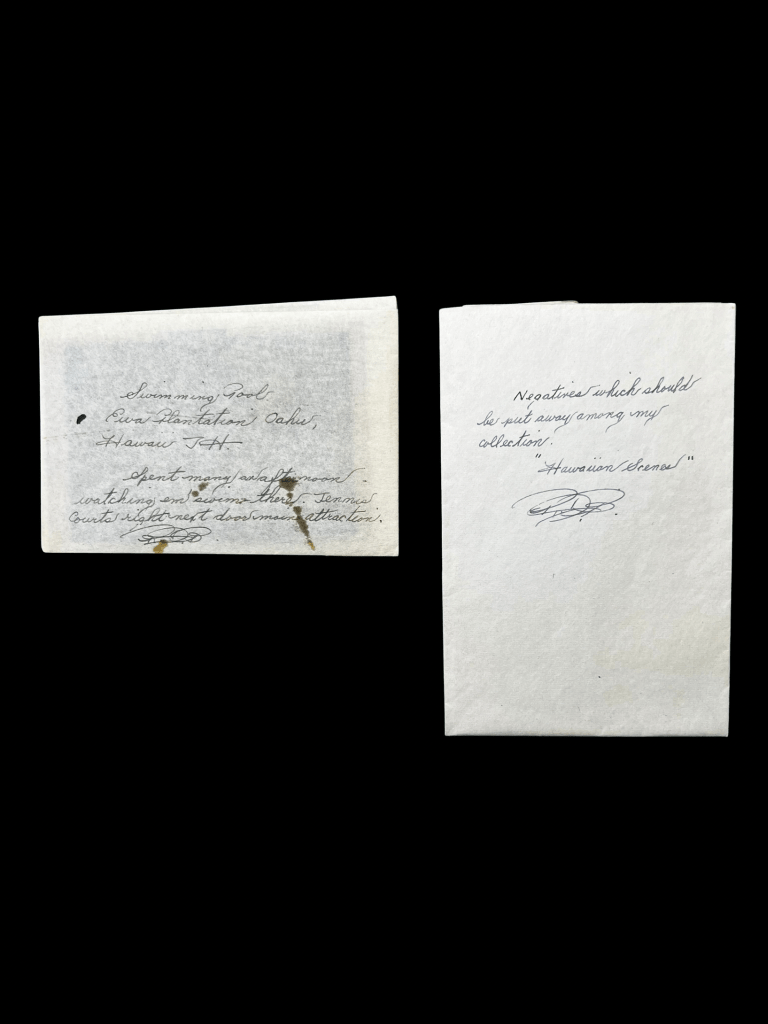
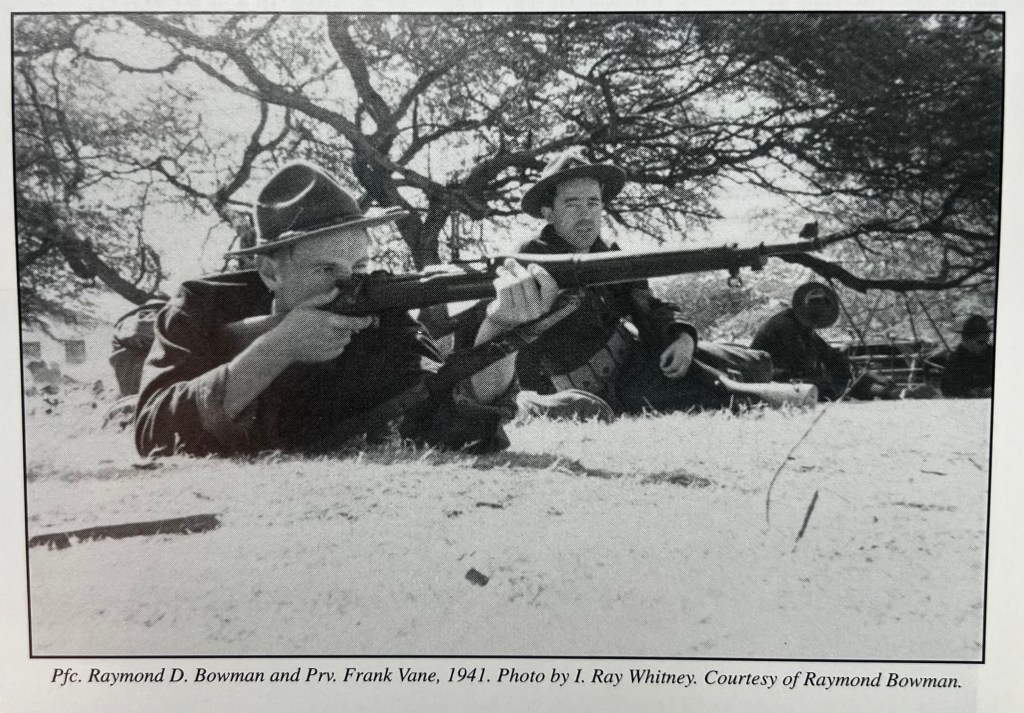
He enlisted in the California National Guard on September 18th, 1939, was inducted into service on September 16th, 1940, assigned to Battery “G” of the 251st Coastal Artillery Regiment, and was soon sent to Camp Malakola, Oahu, Hawaii, with the regiment. Up until the new year of 1941, the 251st tried to settle in, often standing in knee-deep water due to heavy rainstorms. Aside from the sometimes intense Hawaii weather, Raymond and the 251st had a relatively relaxing stay.
Pearl Harbor Attack
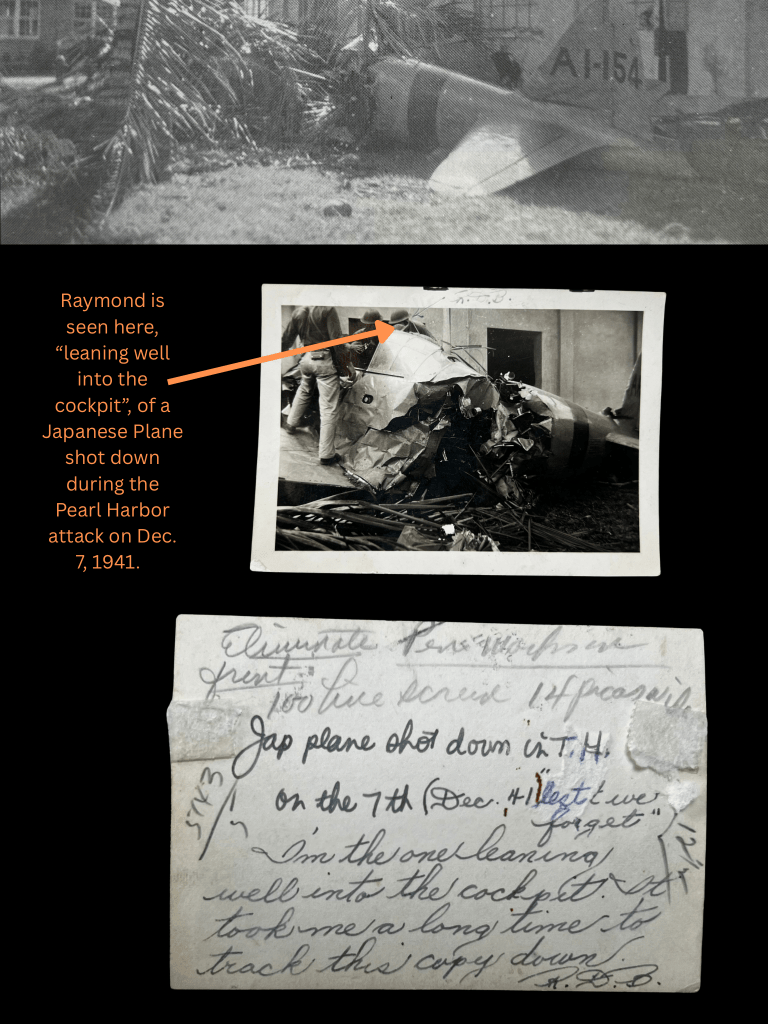
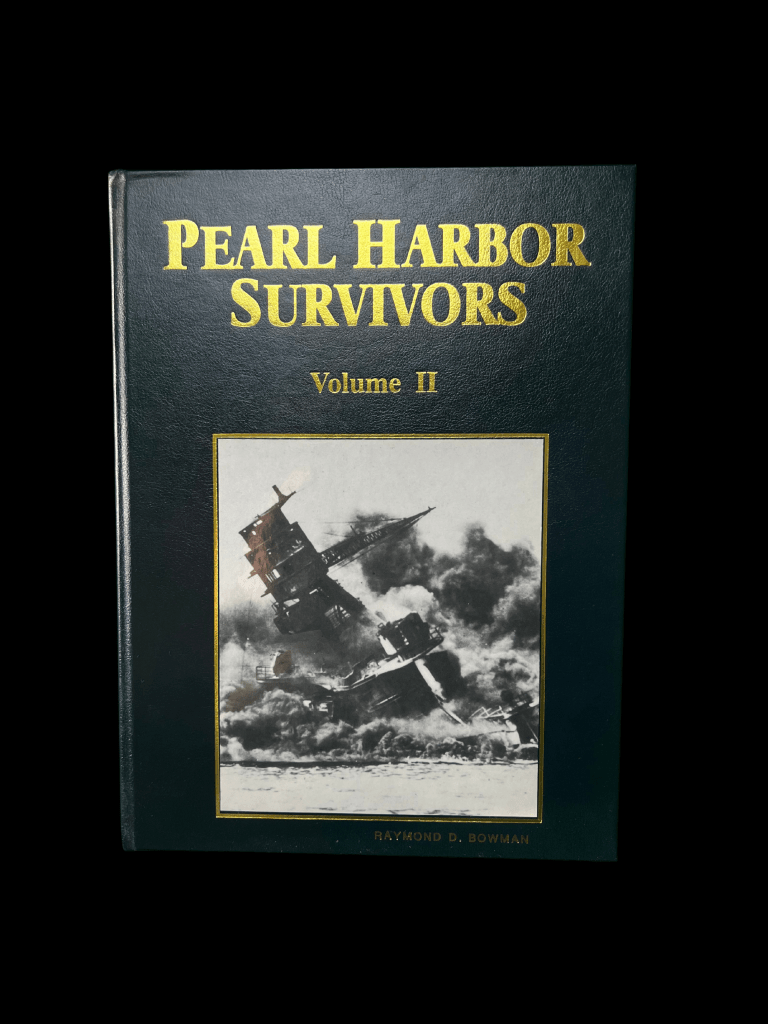
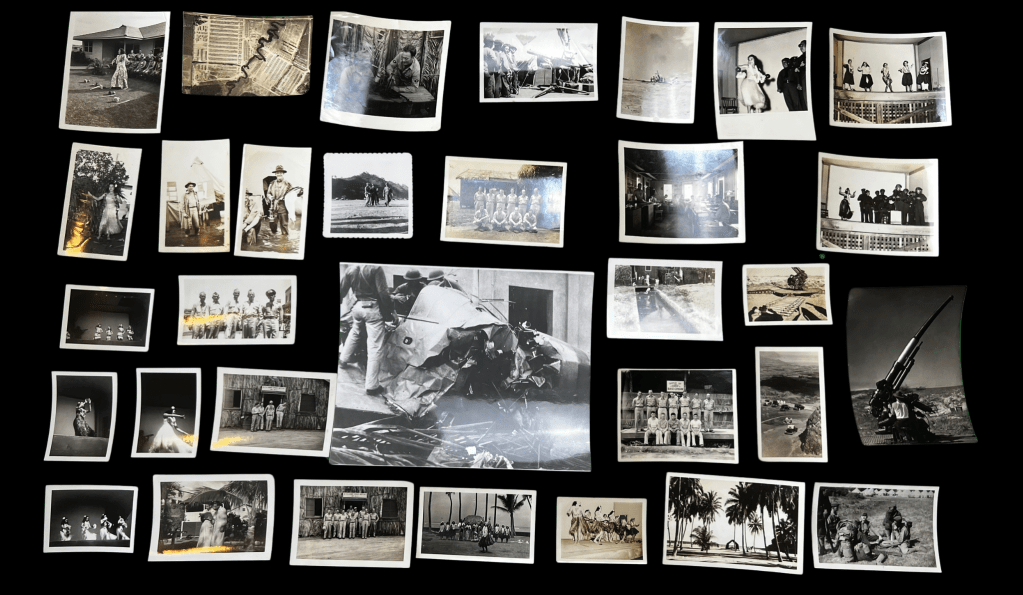
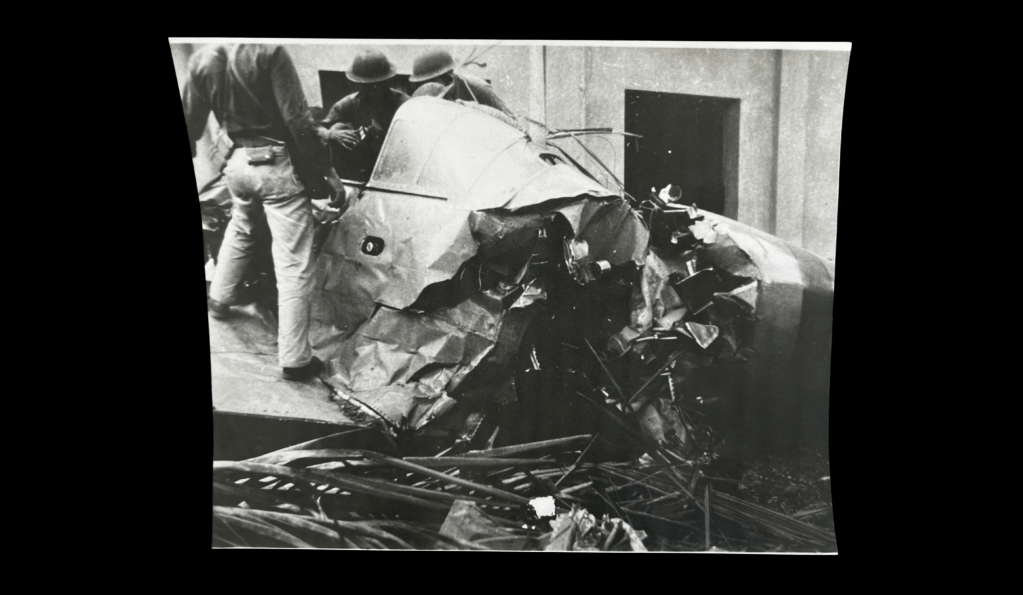
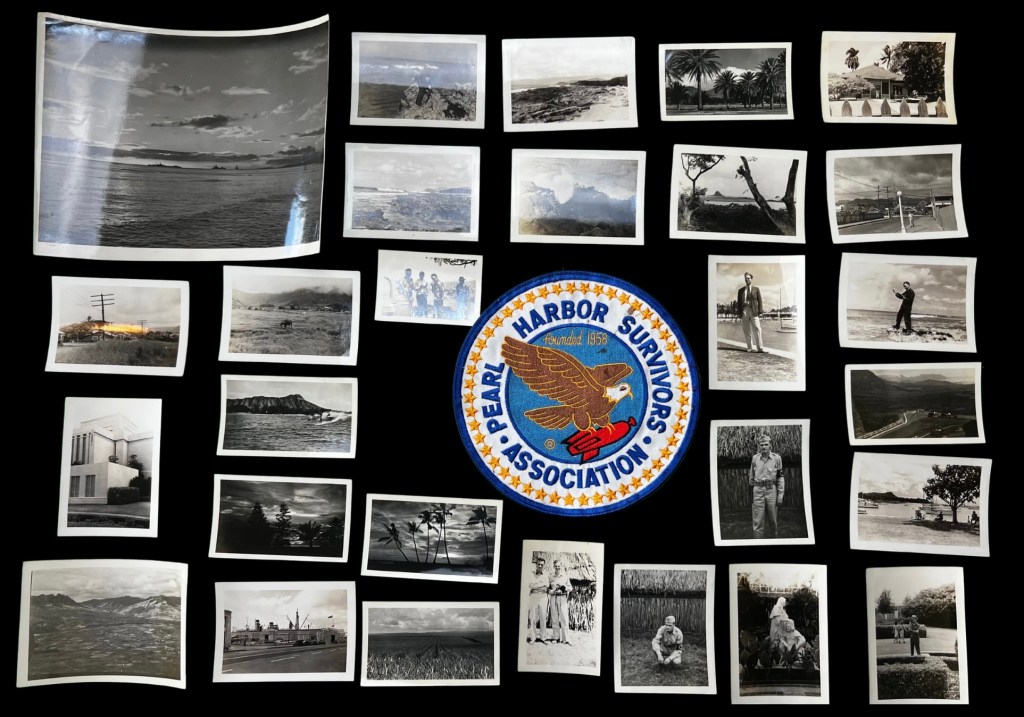
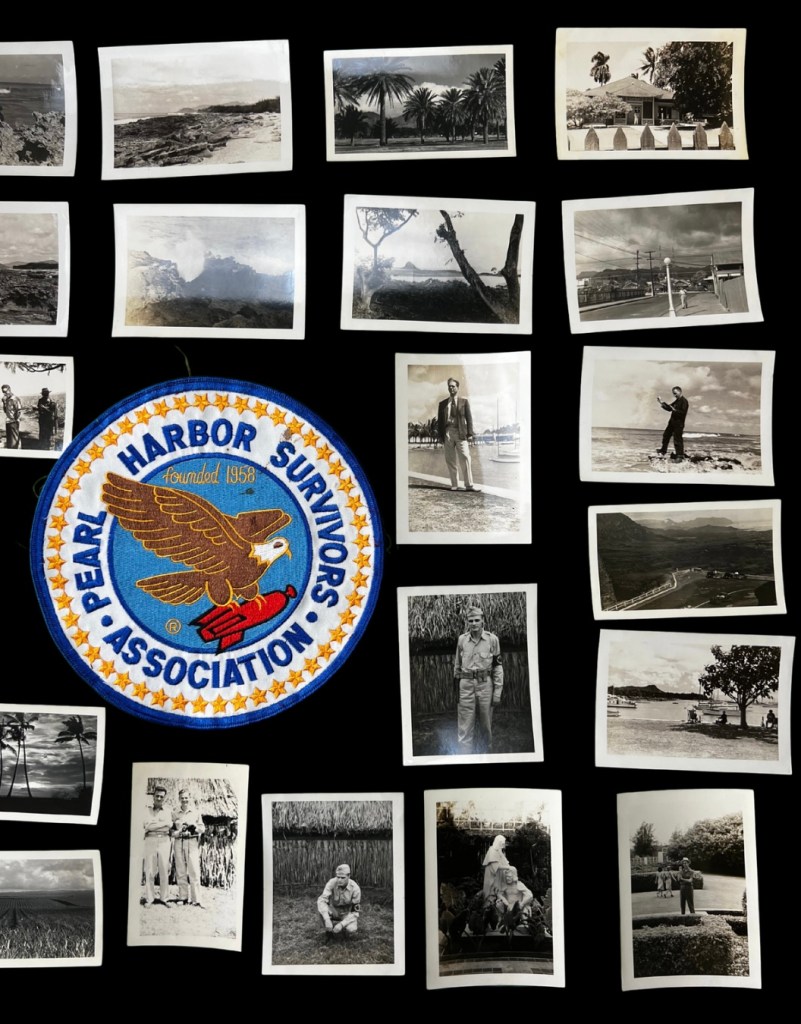
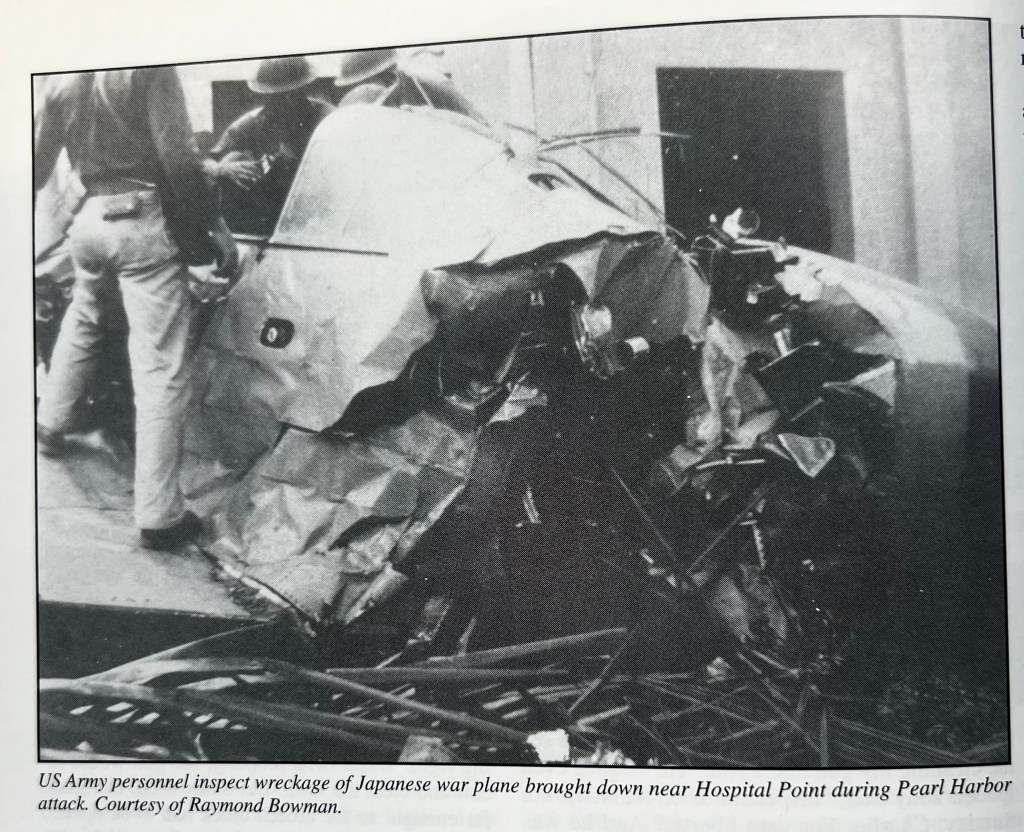
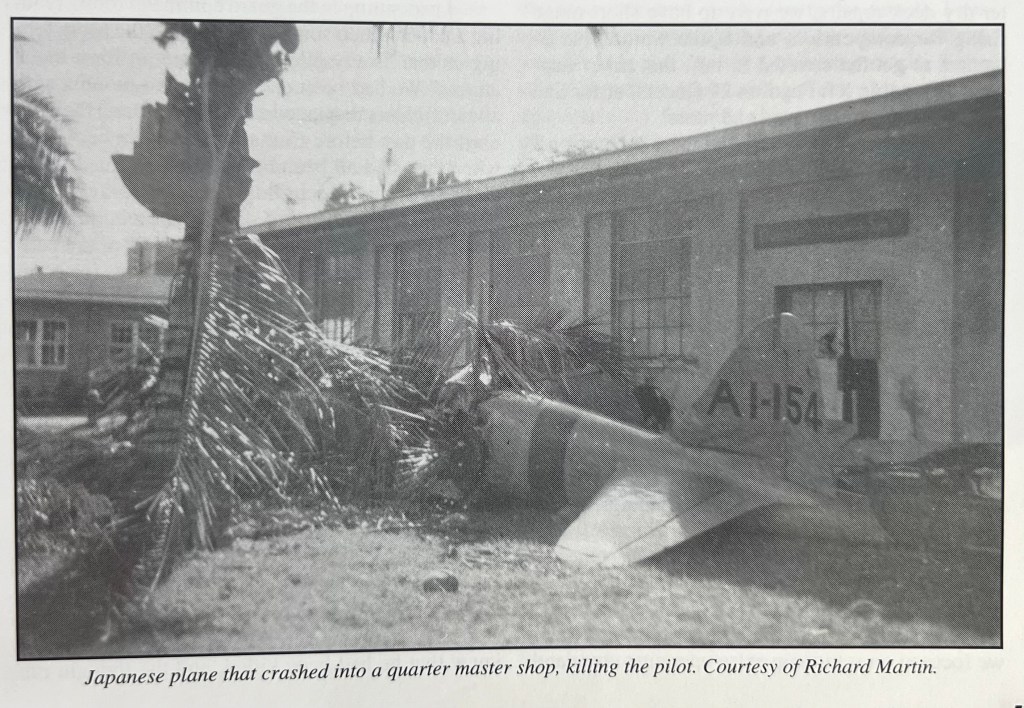
In the final month of 1941, Raymond and his unit were involved in the attack by the Japanese on December 7th, 1941, while stationed at Camp Malakola. According to his obituary, he was about to play a game of tennis when the attack began and fired a machine gun at the planes as he manned his station upon realizing what was happening. As directly paraphrased from Raymond in the book Pearl Harbor: Volume II, to which he contributed both an account of his experience and photographs:
“His most memorable experience occurred when they exchanged machine gun fire with two Japanese bombers. The enemy planes were carrying out one of their many strafing runs on their camp at Malakole and they were coming in dangerously low. So low, in fact, that they observed several of their .50 caliber rounds smashing directly into the fuselage of one plane, which caught fire and began to fall crazily out of control. It finally crashed out of their line of sight behind some sand dunes on the beach. Their battery commander subsequently put in for a possible ‘kill,’ but they were upstaged by a hot-shot U.S. Army P-40 pilot who beat them to the public relations punch and so took official credit. Later in the morning, after they had arrived at their designated gun positions alongside the cruiser Honolulu in Pearl Harbor, they took a few cracks at the enemy bombers. By that time, however, every available gun was firing. They got a full muzzle blast from their comrades on the Honolulu and the sneaky enemy planes turned tail and headed for the rising sun. They were elated that they had driven off the last of the Japanese planes, but their hearts sank as they looked down to see the carnage that had been wrought on the brave battle wagons off Ford Island.”
World War II Service
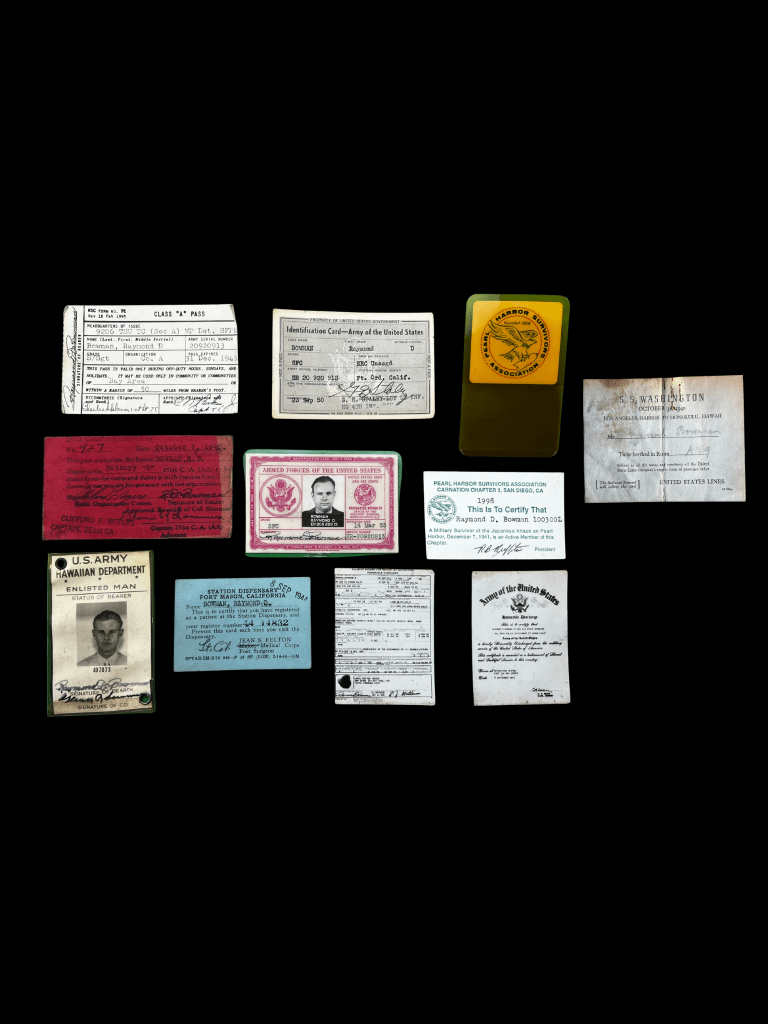
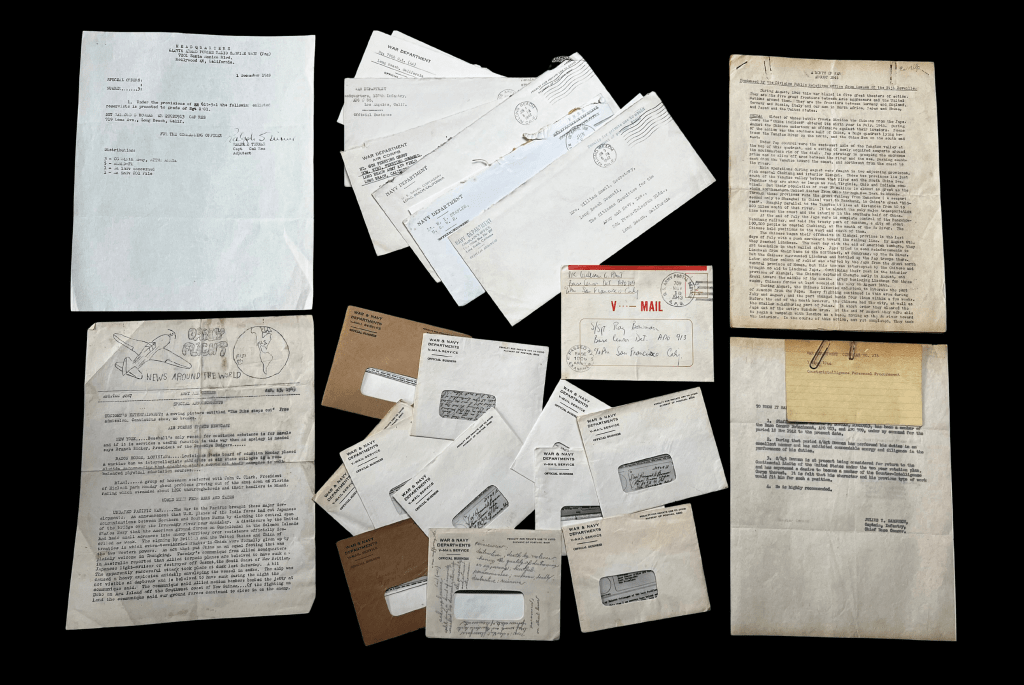
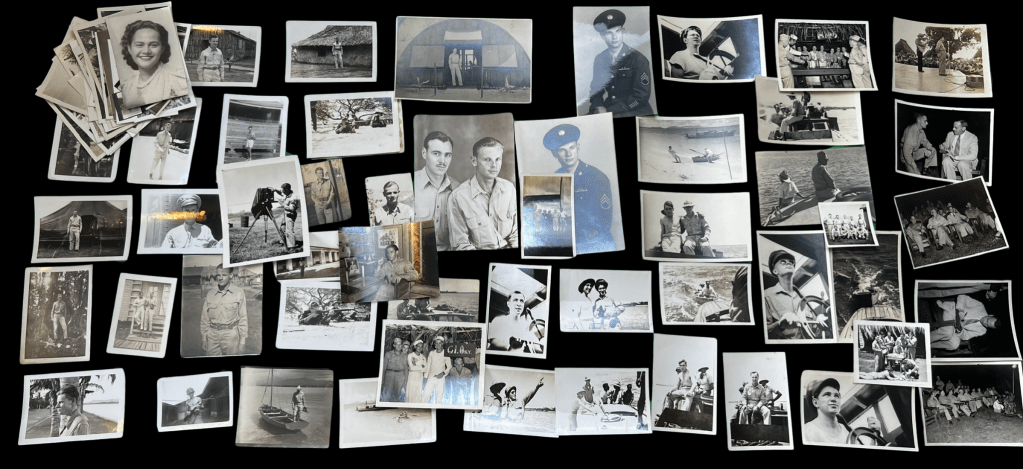
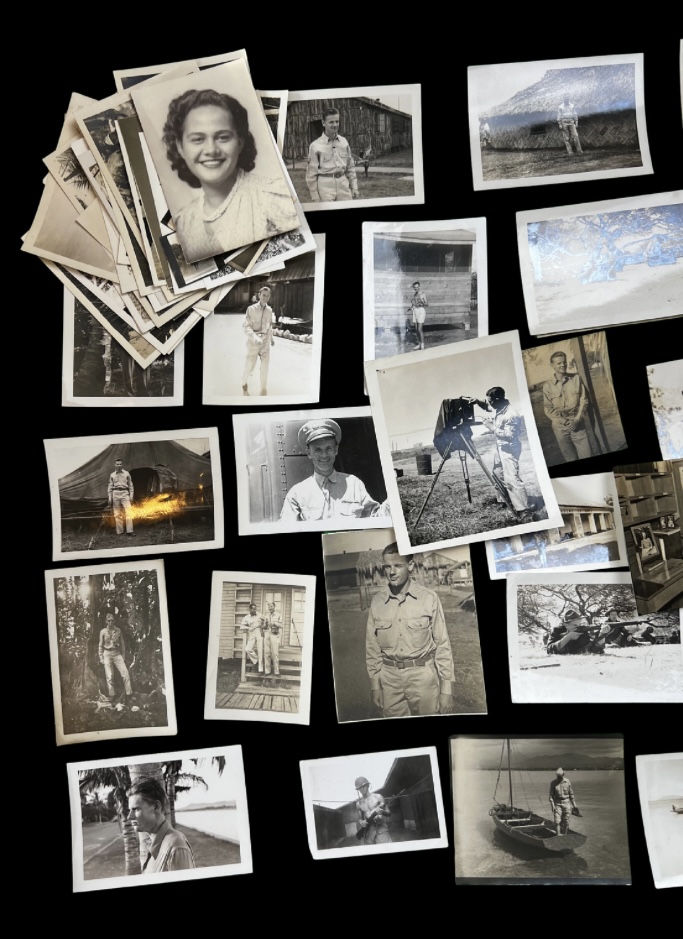
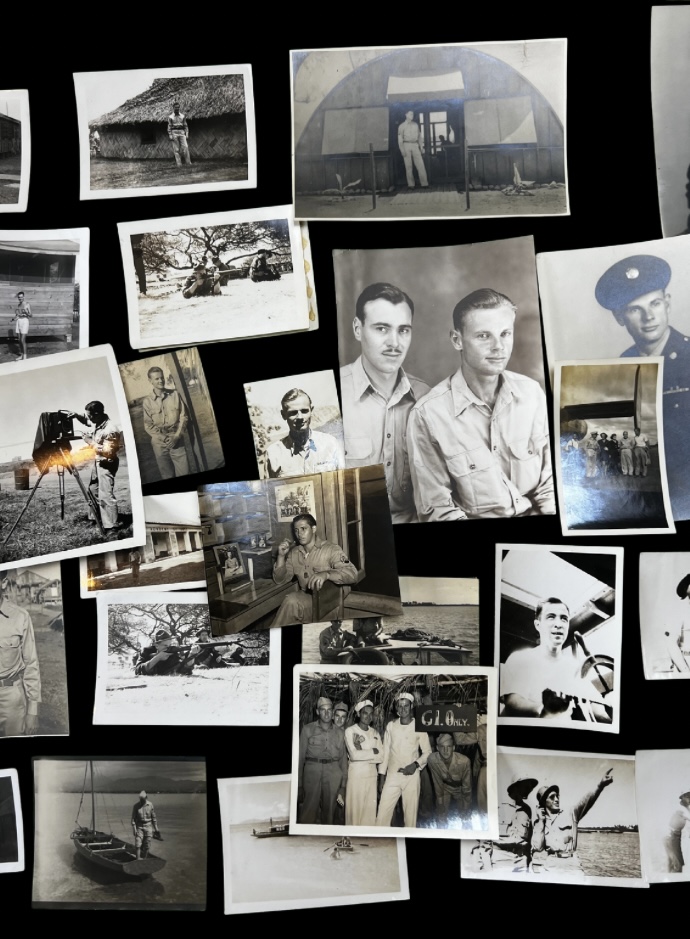
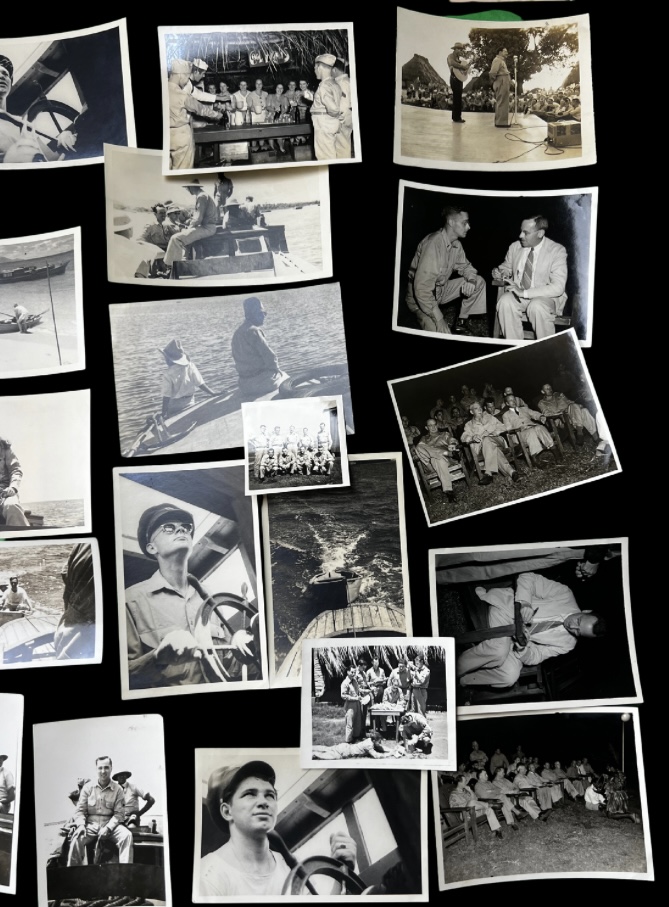
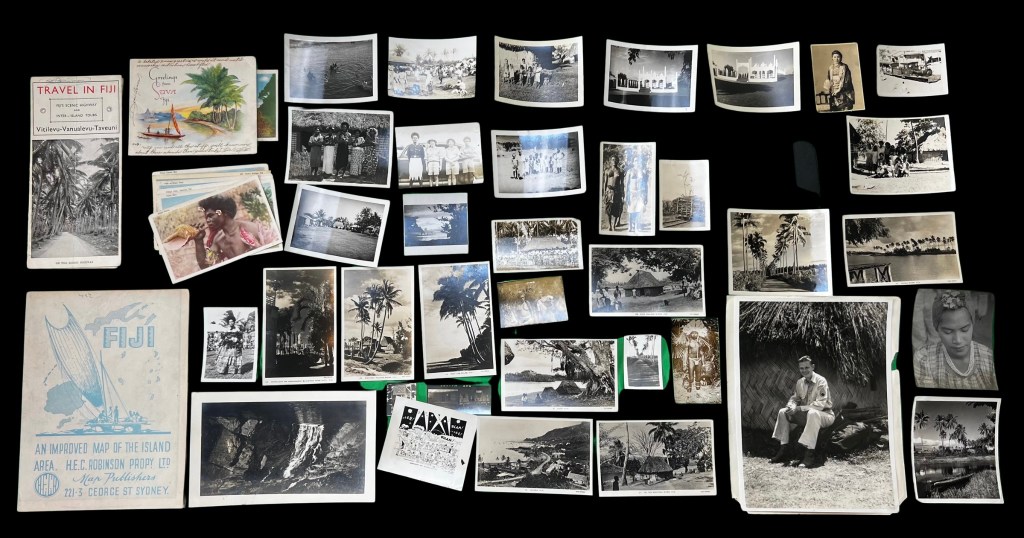
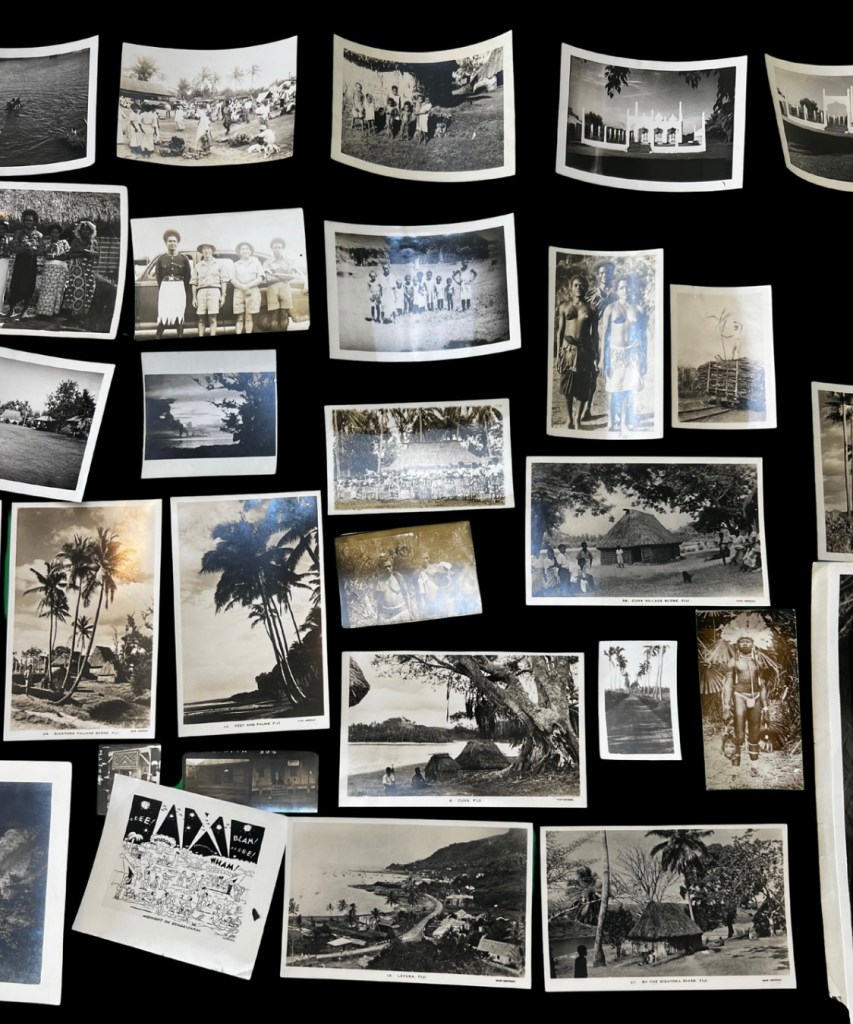
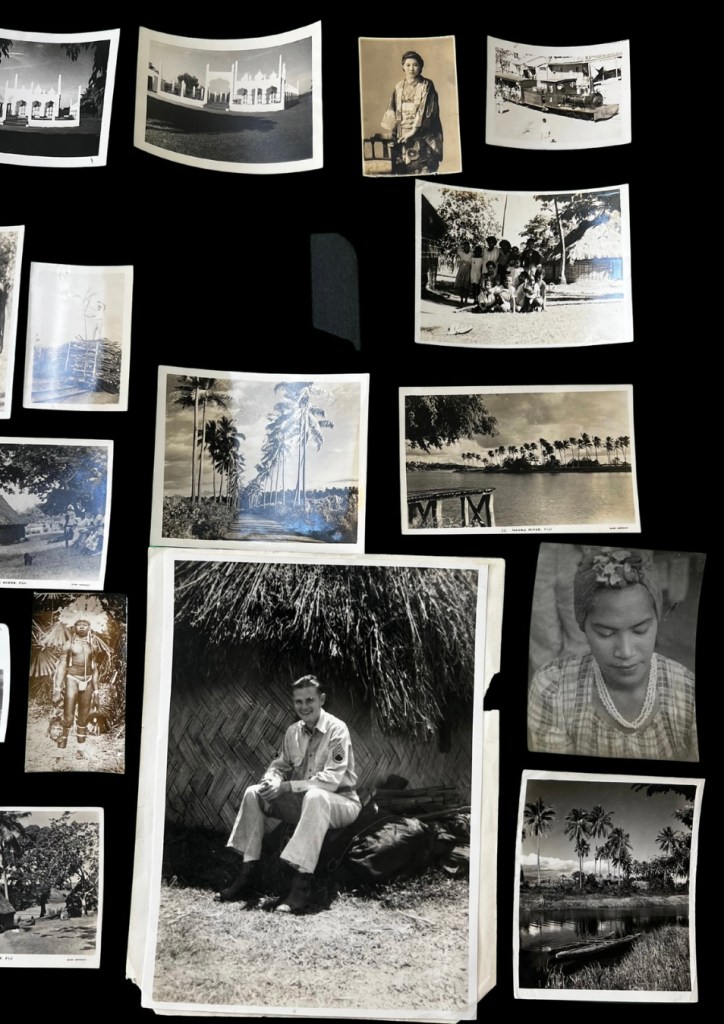
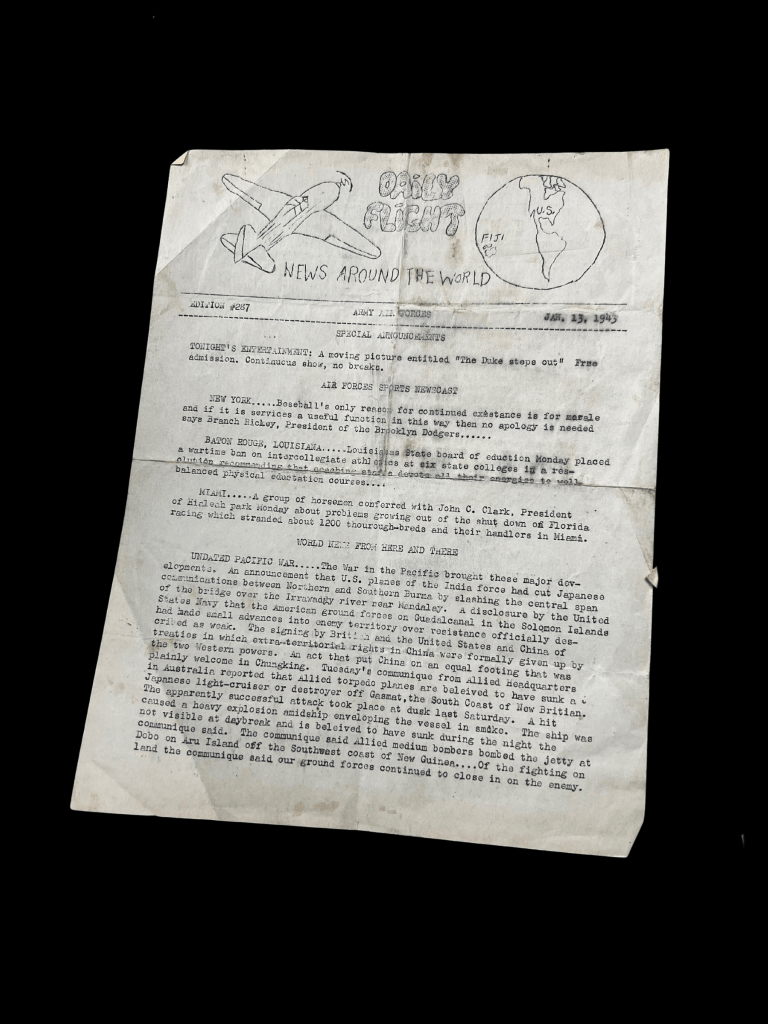
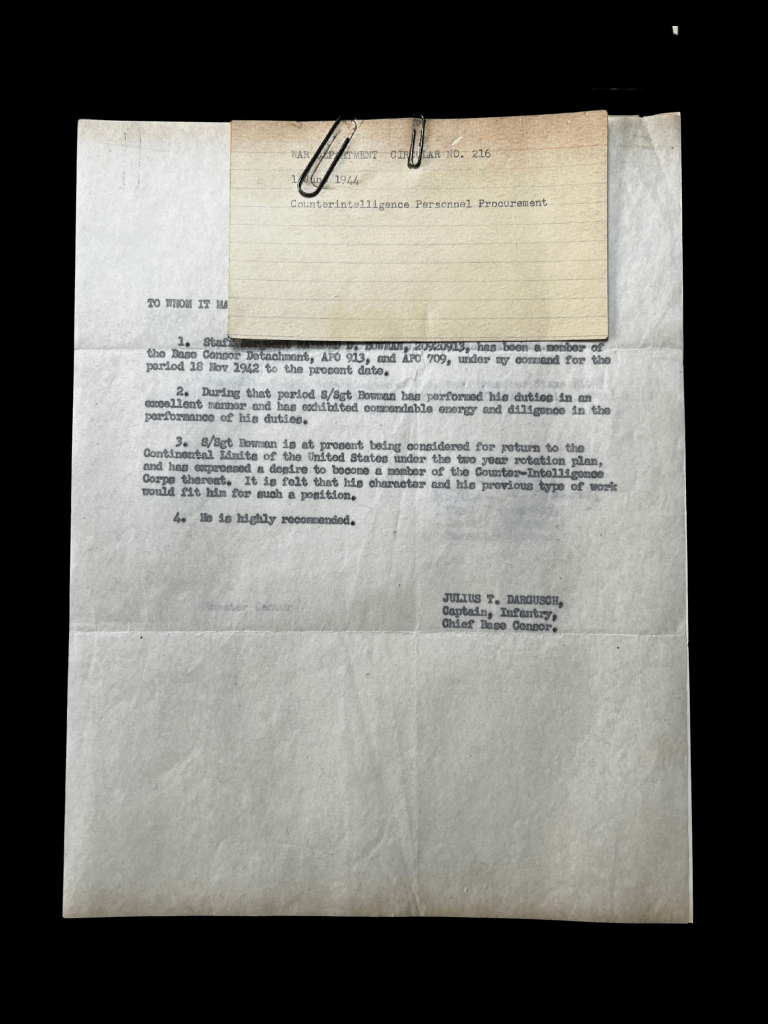
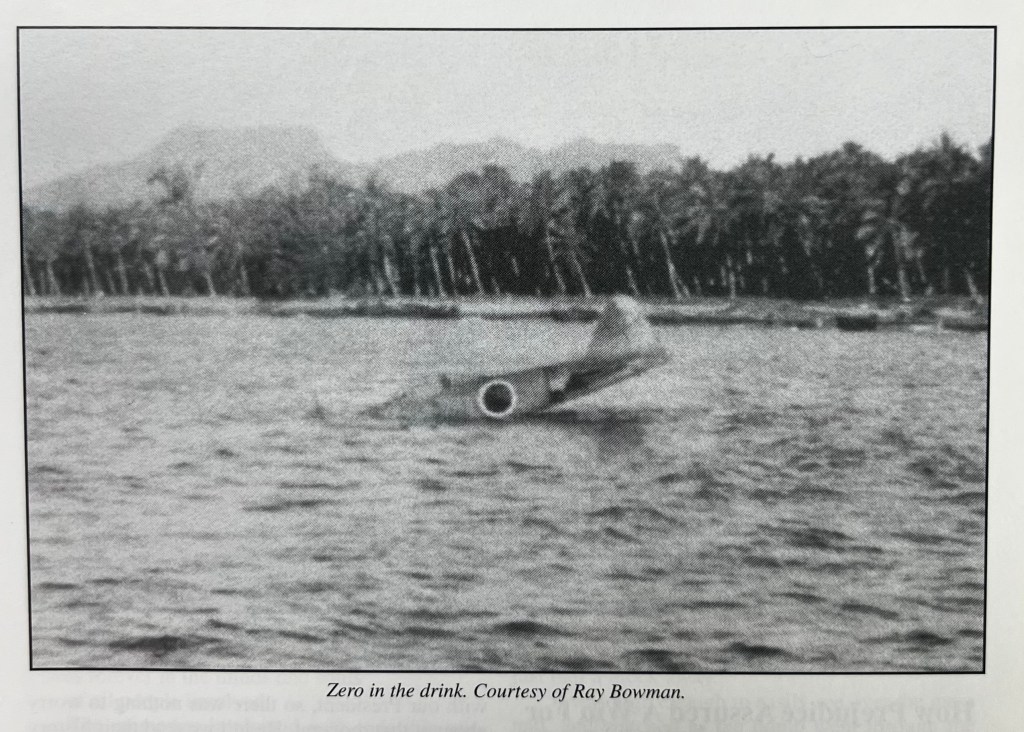
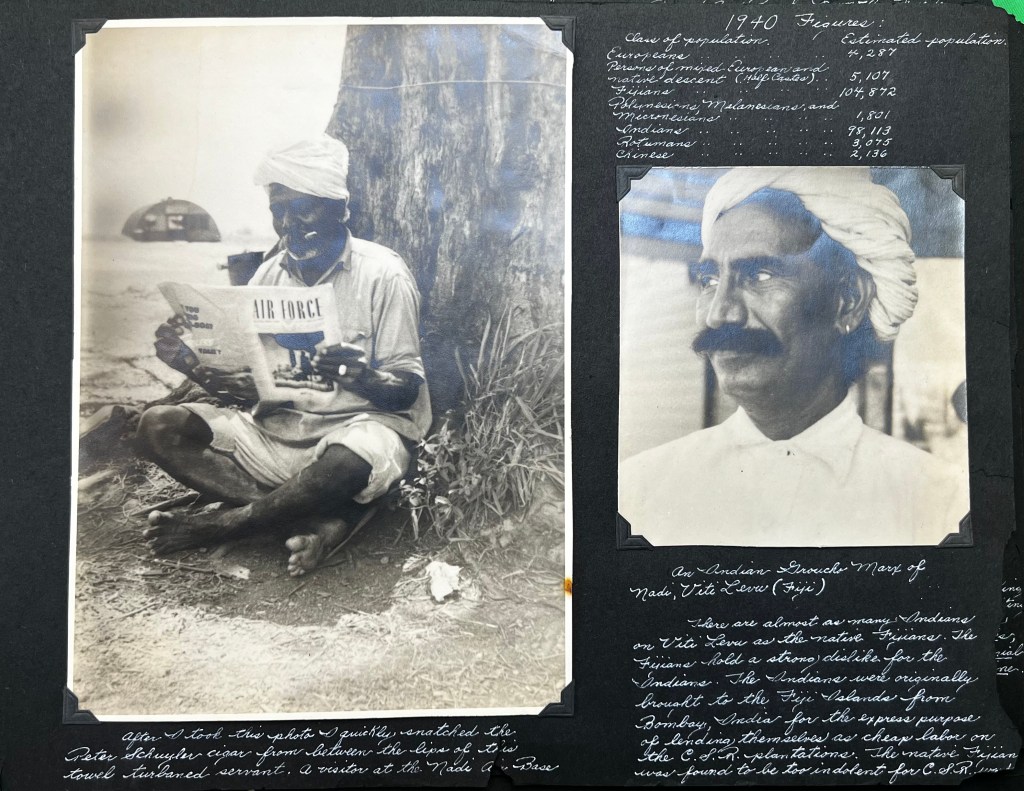
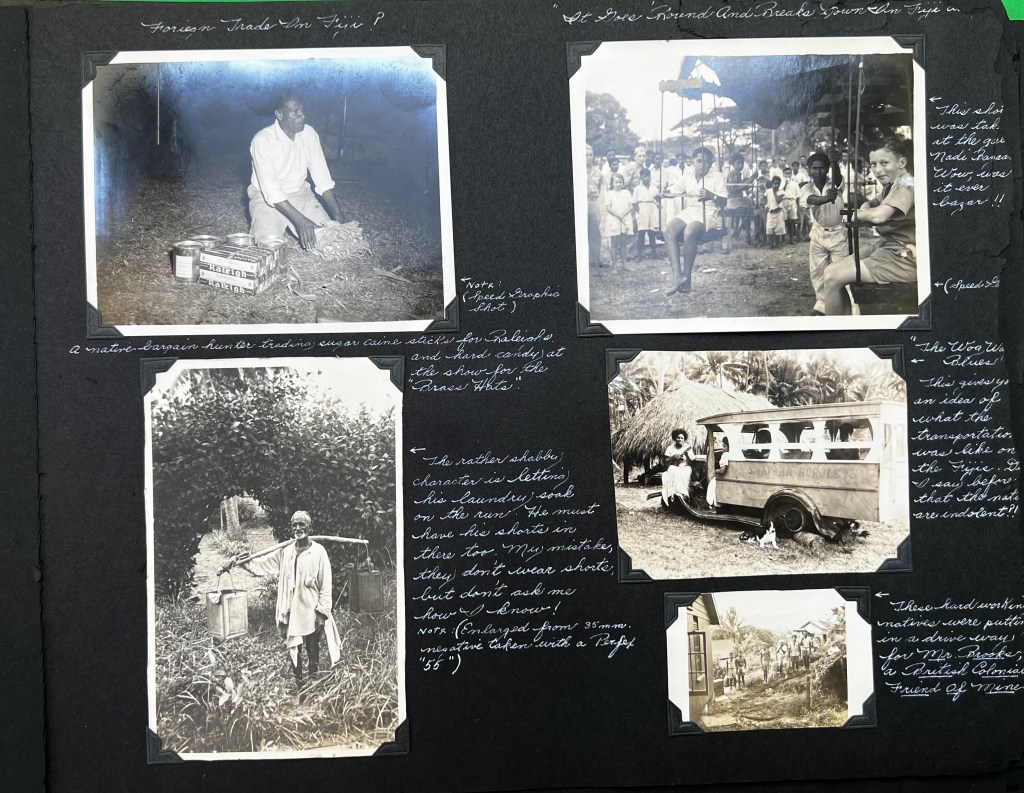
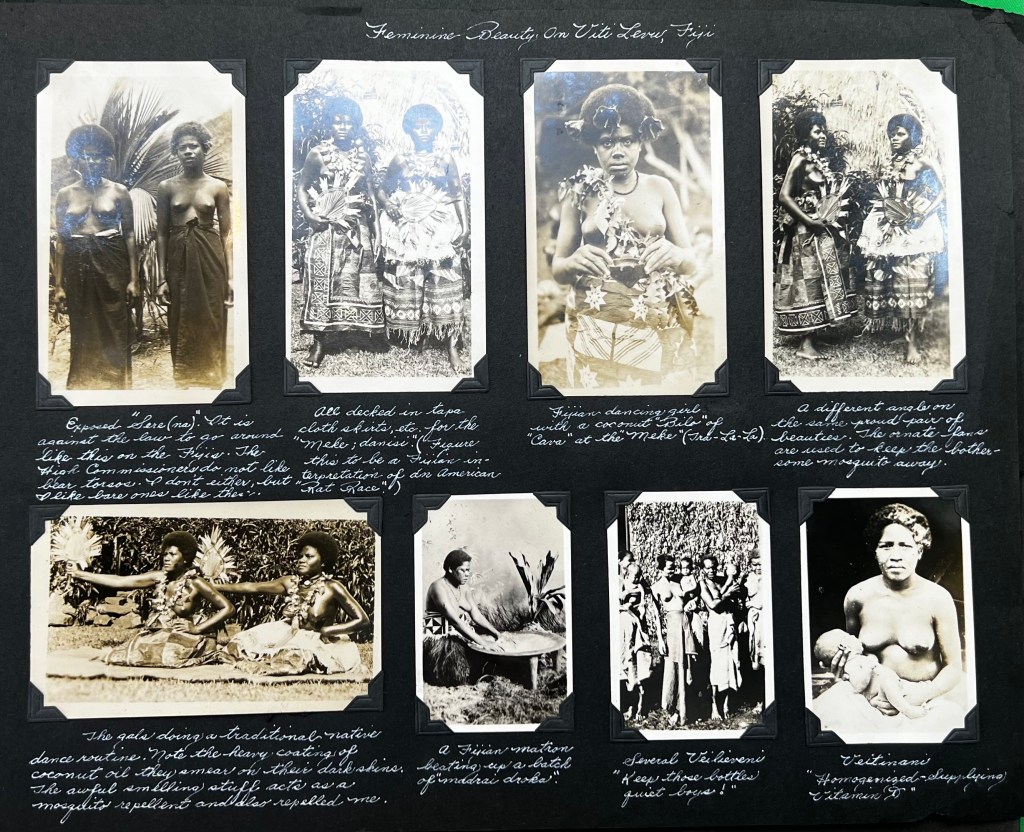
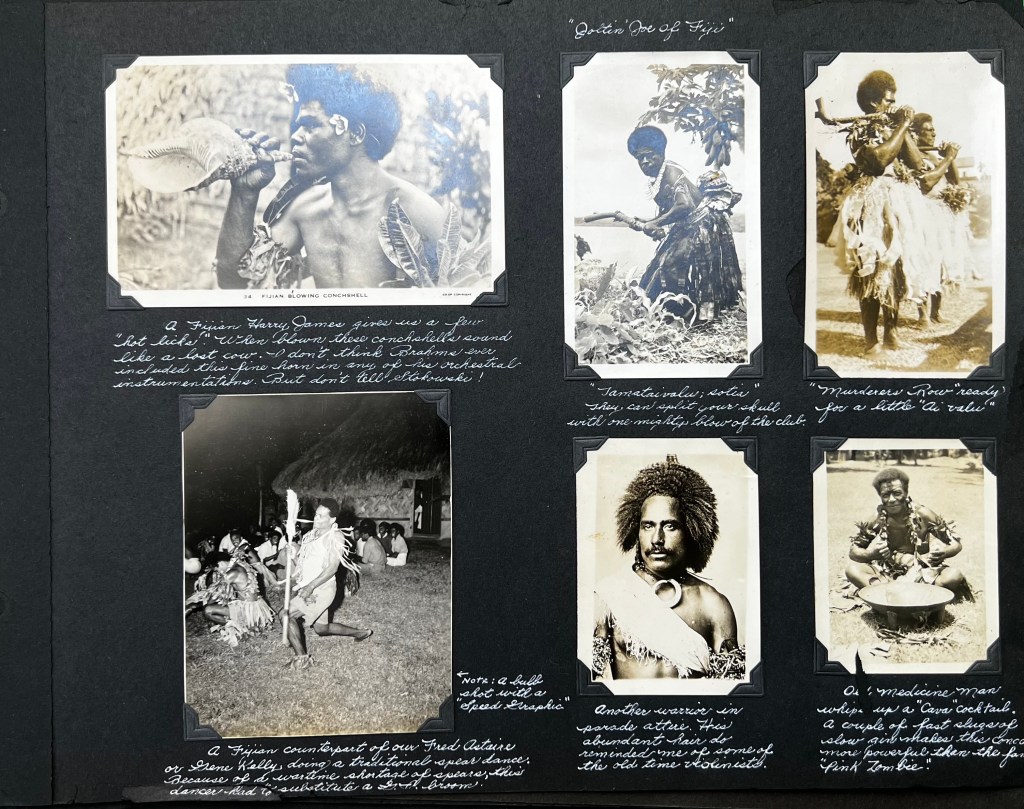
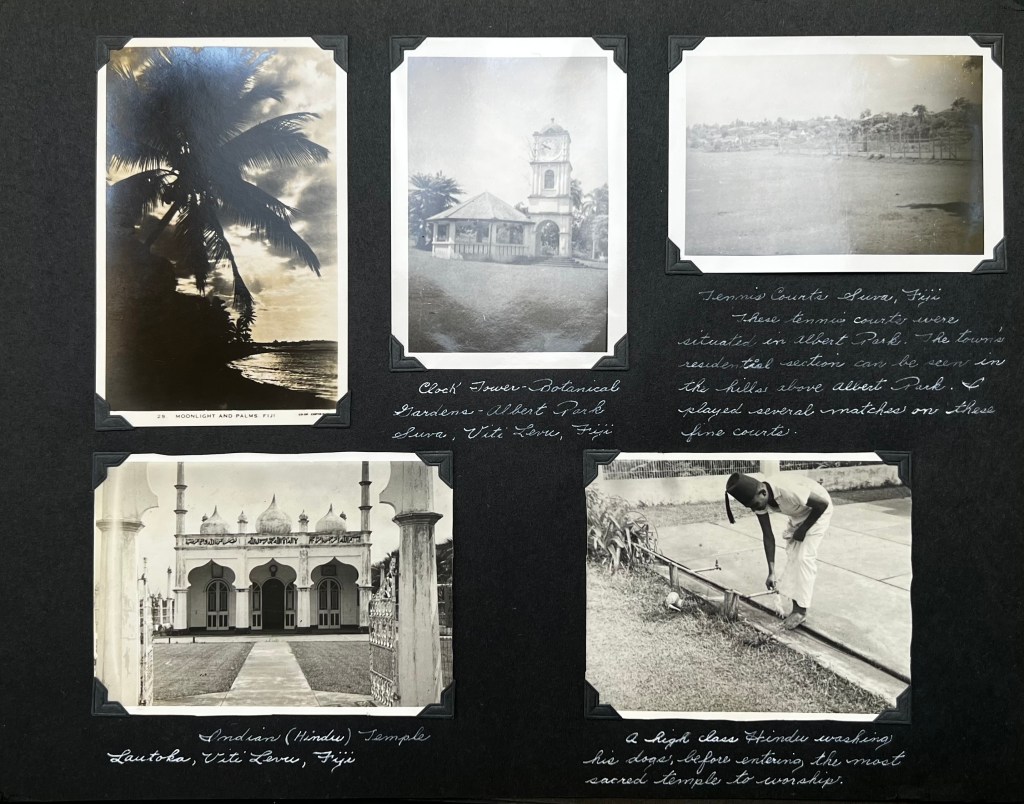
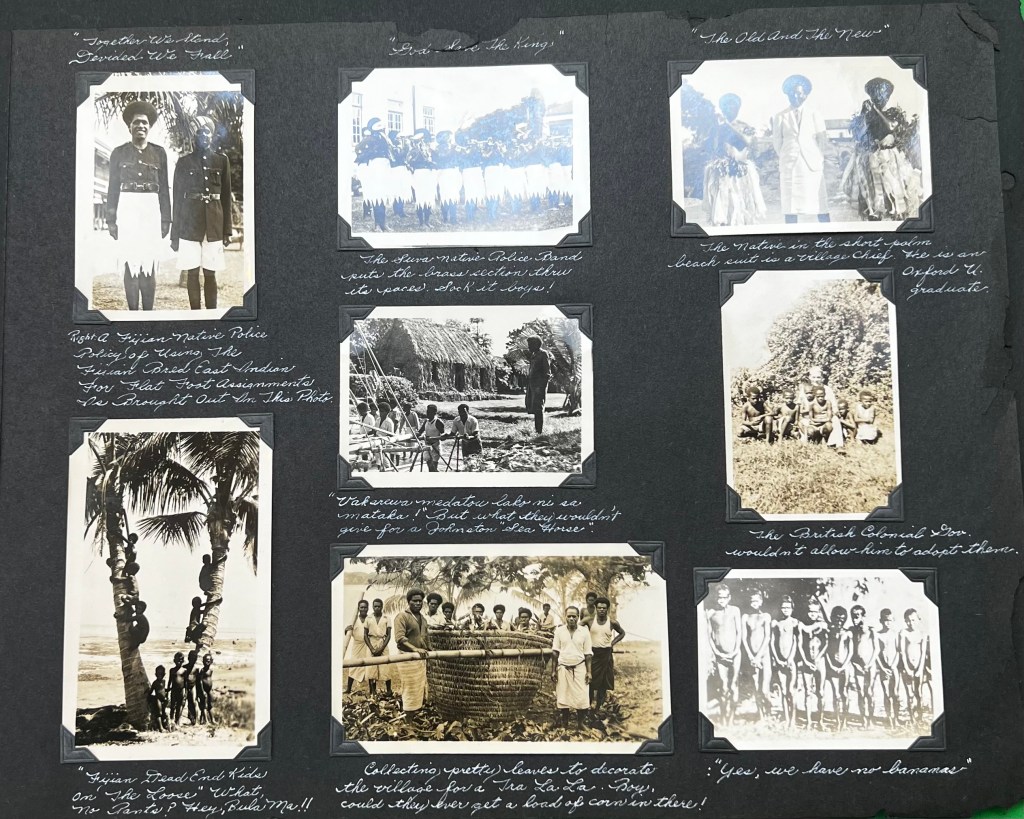
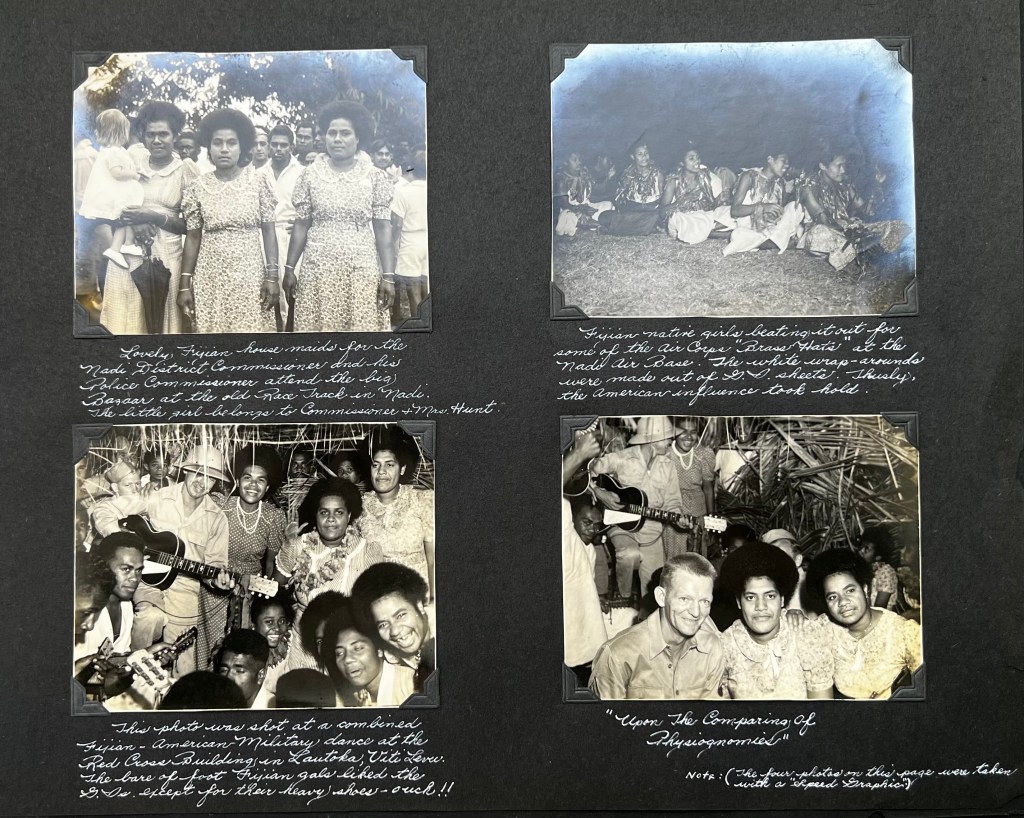
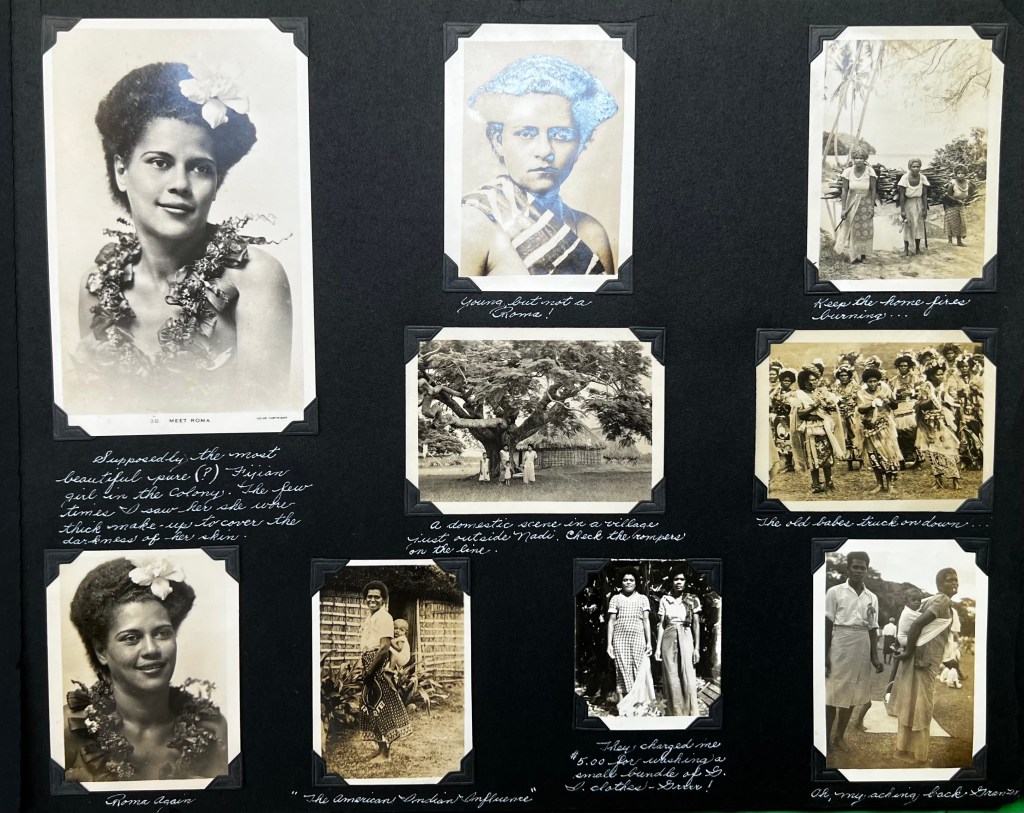
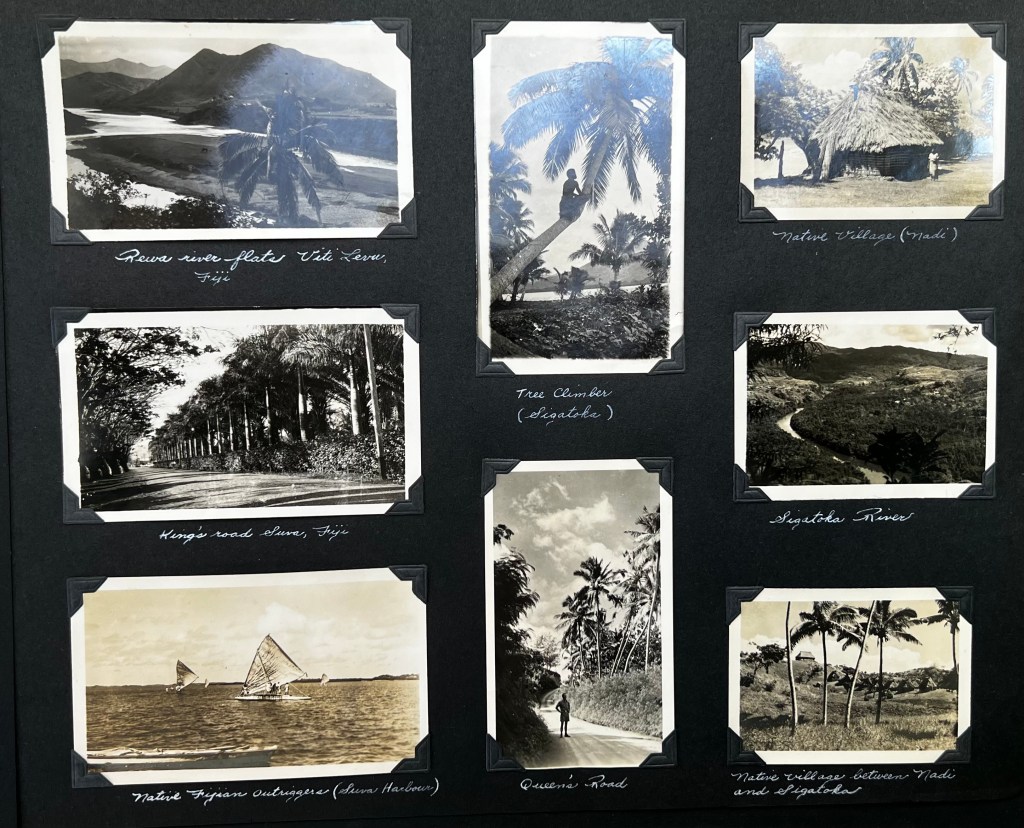
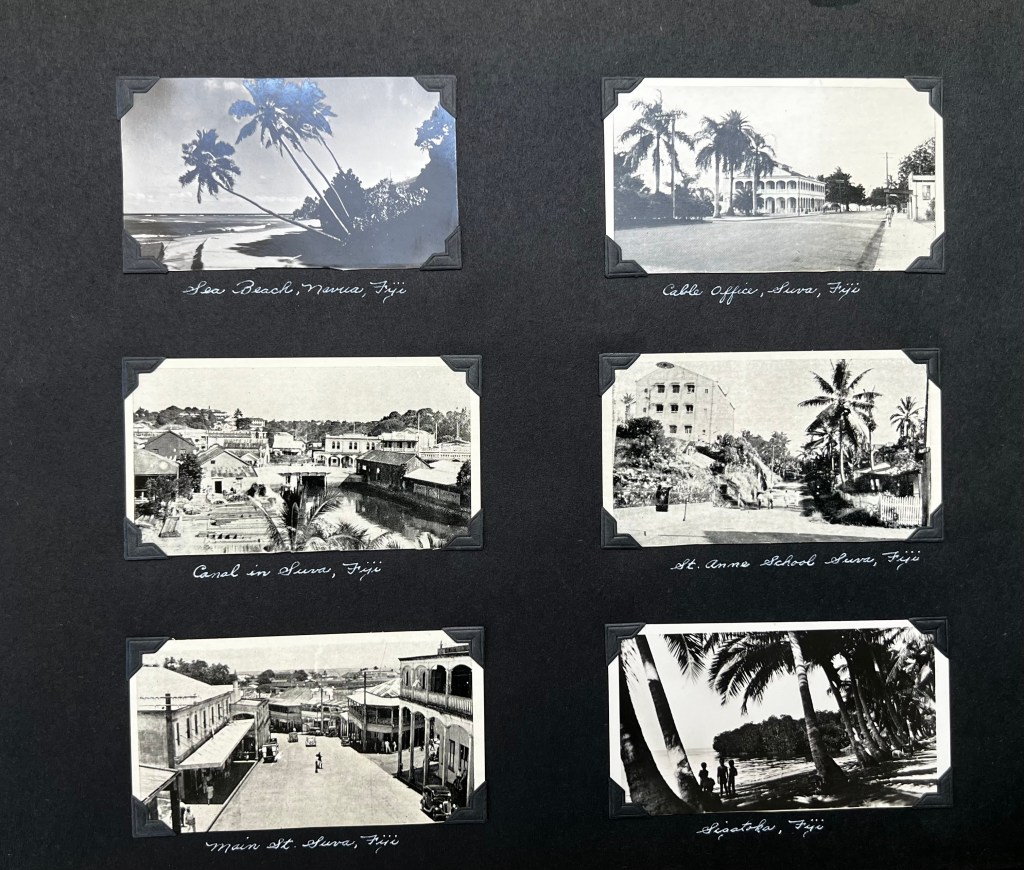
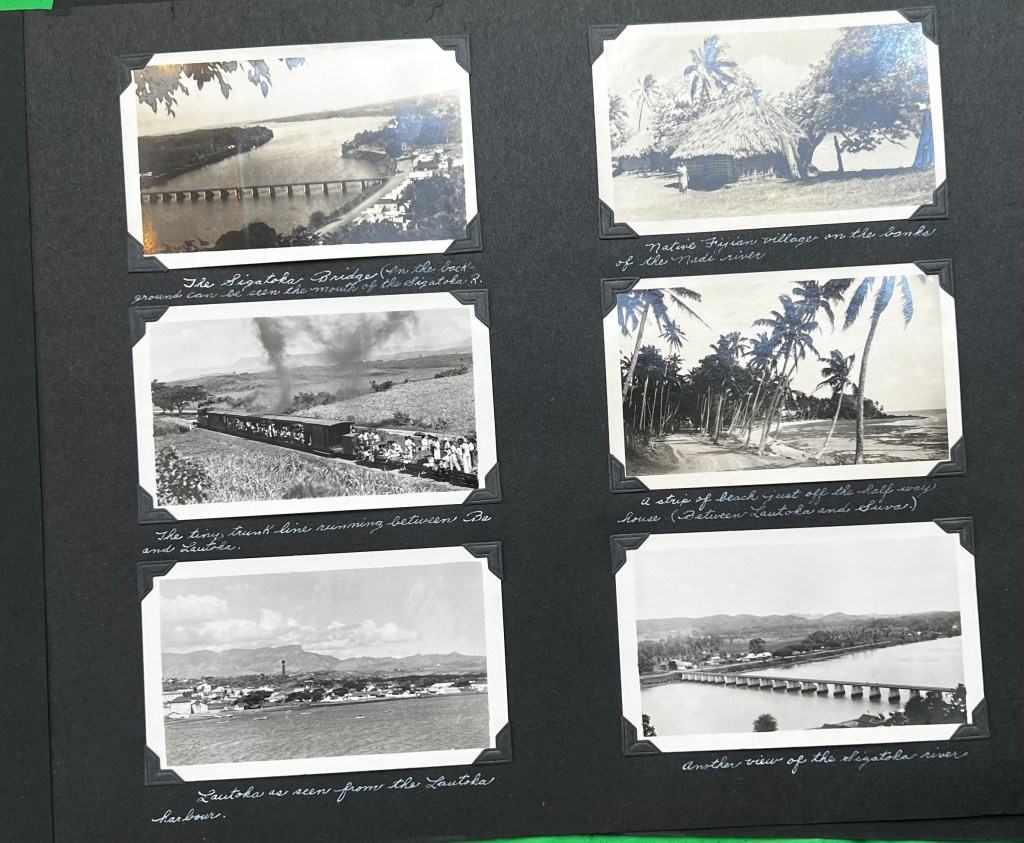
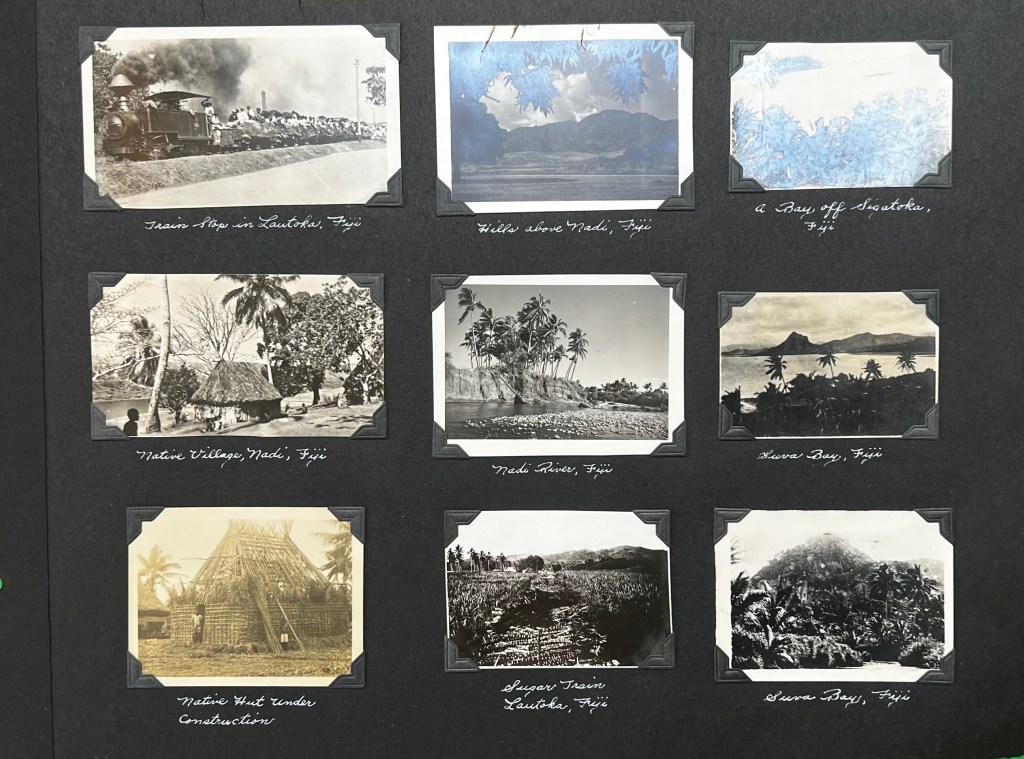
After the attack, Raymond spent a short time with the 251st before serving with the Headquarters and Military Police Company, 37th Infantry Division, Military Police Company, 23rd Infantry Division, and in the second island campaign in the Southwest Pacific, working in intelligence roles at Schofield Barracks, the Fiji Islands, and at other outposts in the South Pacific, but rarely saw any action for the remainder of the war.
Post-War and Korean Conflict
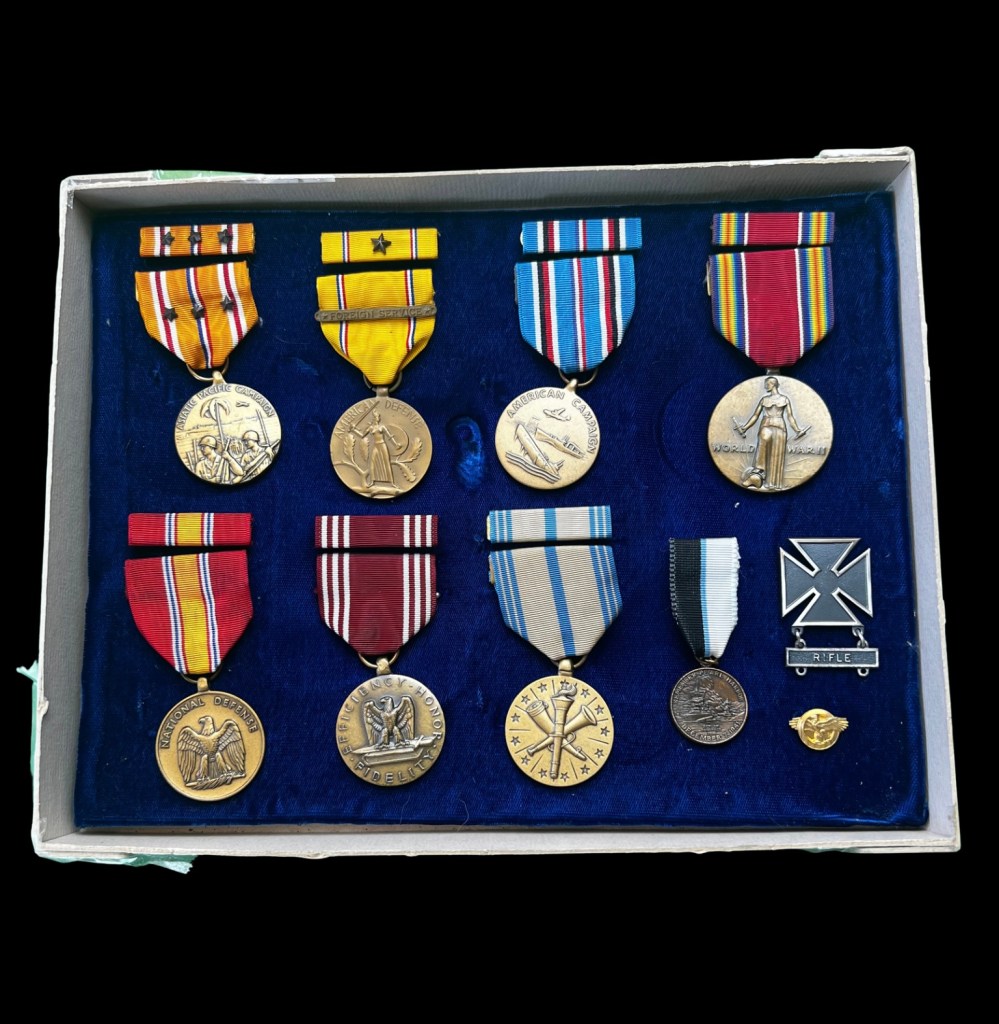
He continued his military service past the end of World War II and served in the active reserves during the Korean Conflict as a member of the Armed Forces Radio Service and the 311th Logistical Command, acting as the unit’s editor of the “command log sheet.” His combined active and reserve enlistment lasted 17 years, being discharged on September 29th, 1951. He attained the rank of Master Sergeant. His notable awards included:
- American Defense Service Medal with Bronze Star and Clasp
- Asiatic-Pacific Campaign Medal with two Bronze Stars and Clasps
- Pearl Harbor Commemorative Medal, created in 1991 for survivors of the Pearl Harbor attack
Post-Military Life
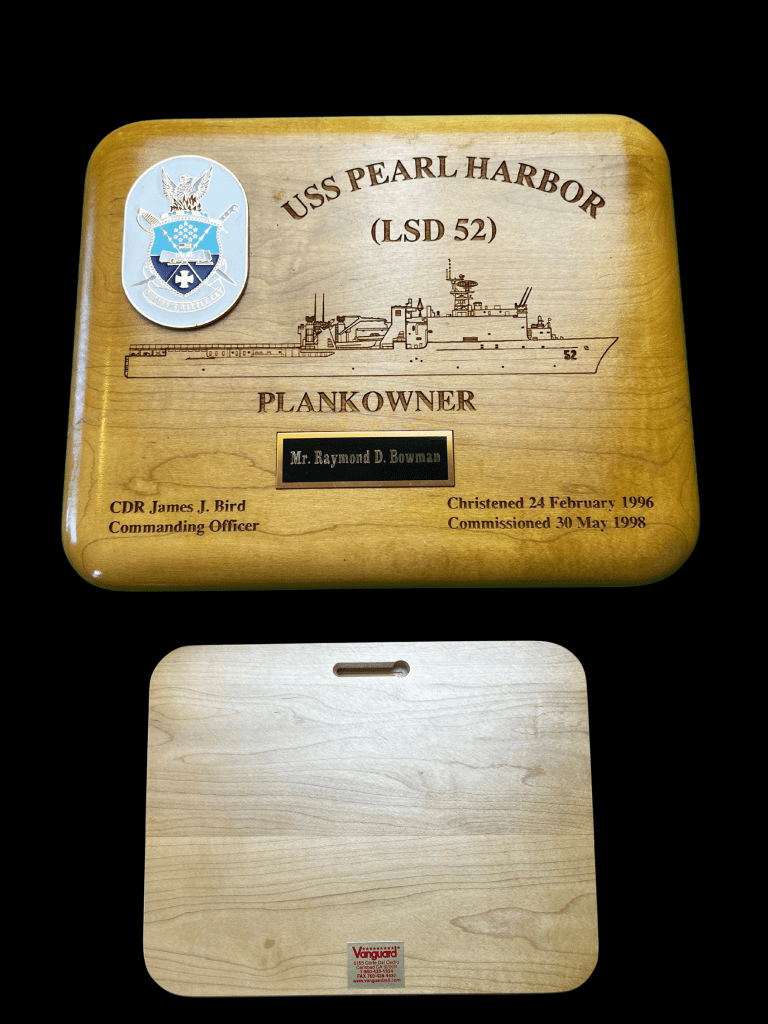
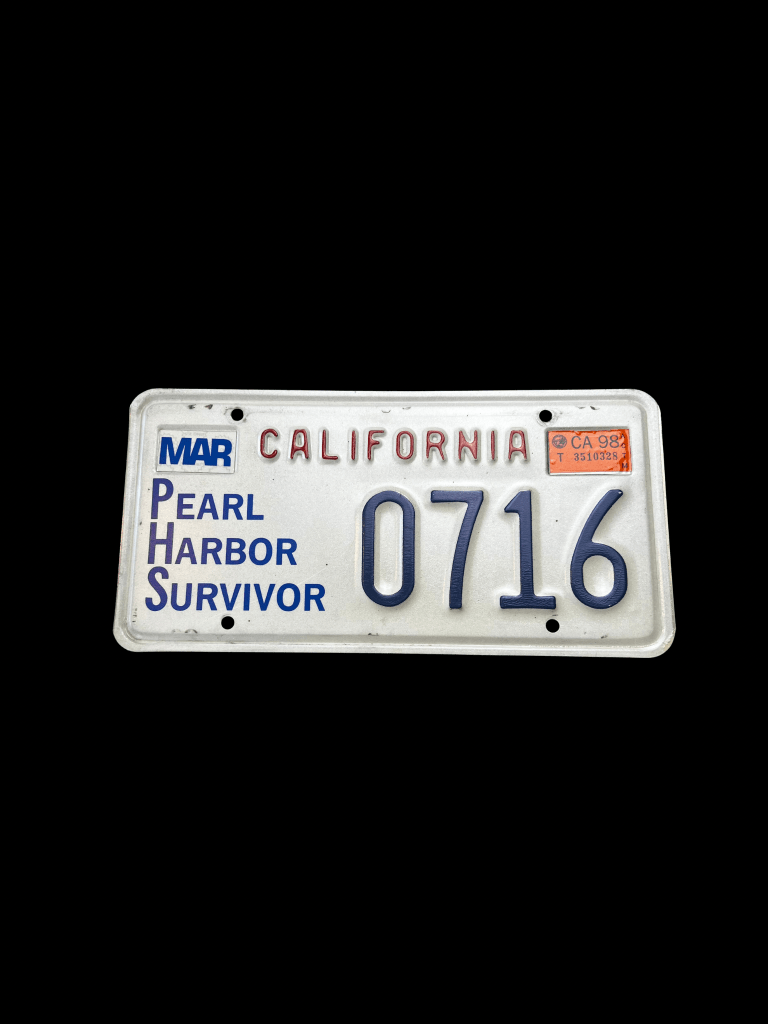
Raymond had a well-documented post-war life filled with many accomplishments in the music industry and a continued passion for photography, specifically of the sport of boxing. He was instrumental in the formation of the Pearl Harbor Survivors Association and was a founding member and Plank-Owner of the USS Pearl Harbor (LSD-52), a U.S. Navy Harpers-Ferry-class dock landing ship commissioned in 1998 and named in honor of the December 7th, 1941 attack. He married Lita Santos Bowman, a Woman’s Army Corps Veteran of WWII, in 1960. They raised three children—two boys and one girl. Raymond passed away on November 11th and, fulfilling his wish to be buried “high on a cliff overlooking Coronado and the bay,” his family interred him at Fort Rosecrans National Cemetery with that exact view.







 Mass Militaria & Antiques