
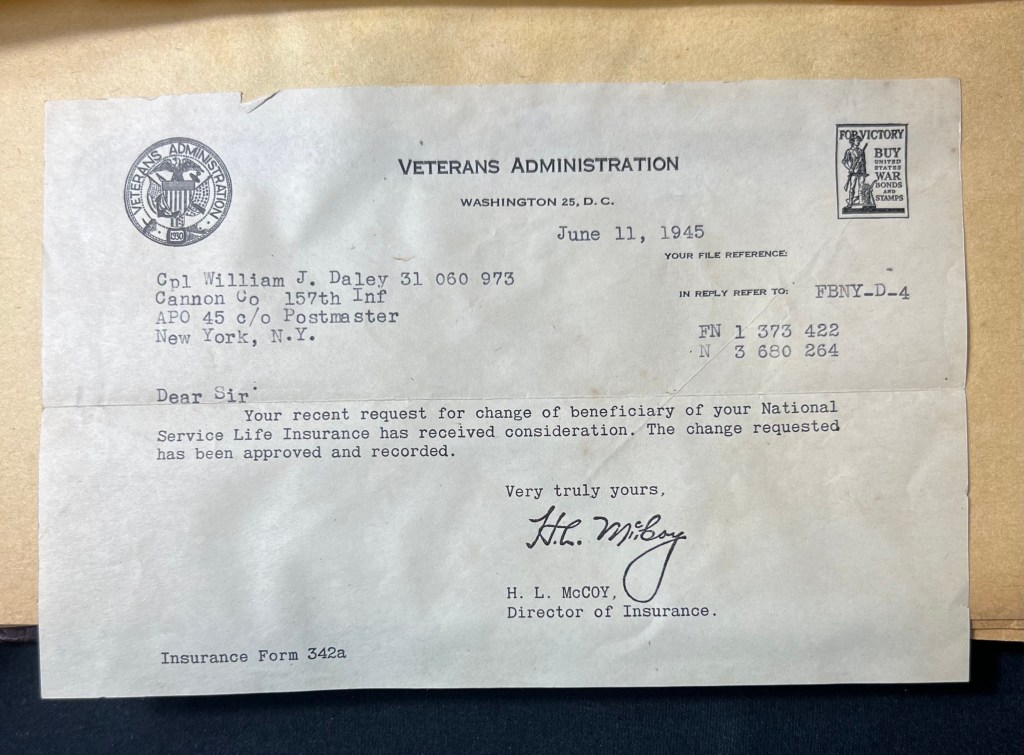
Cpl William J. Daley
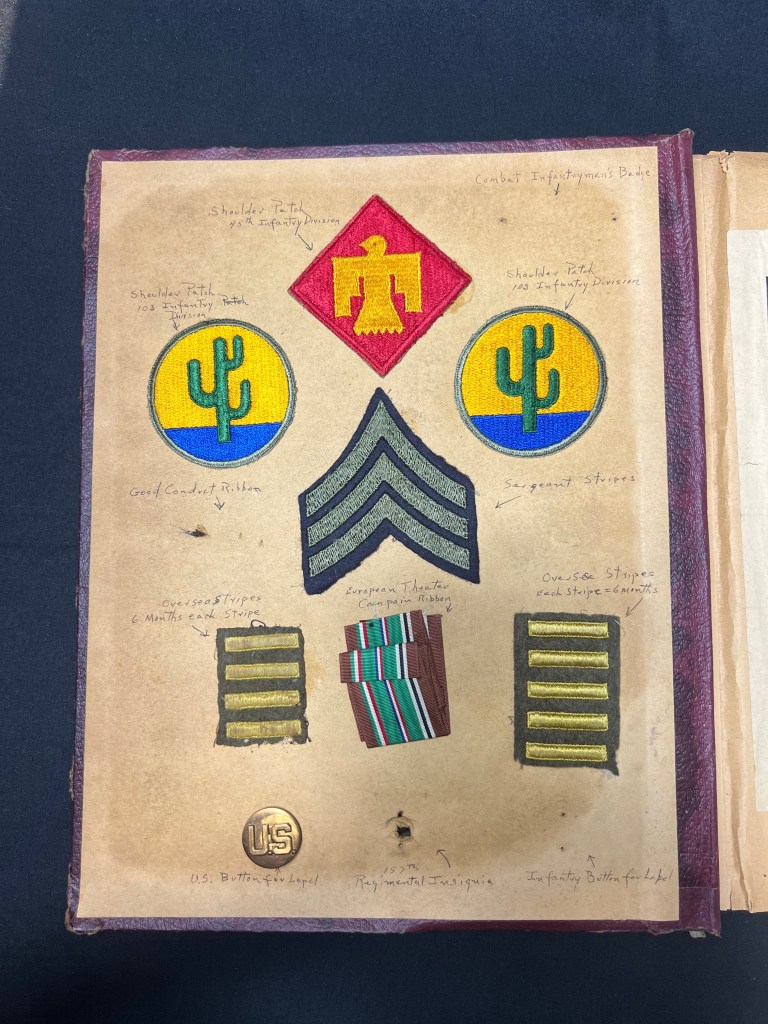
45th Infantry Division, 157th Infantry Regiment, “Cannon Company”
-
Early Training and Preparation
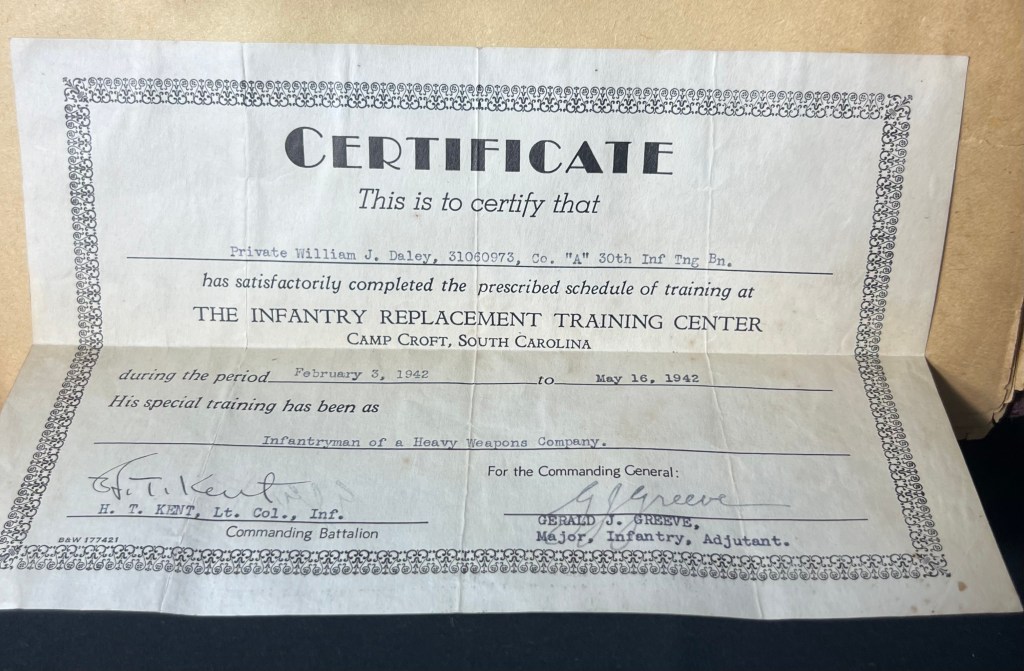
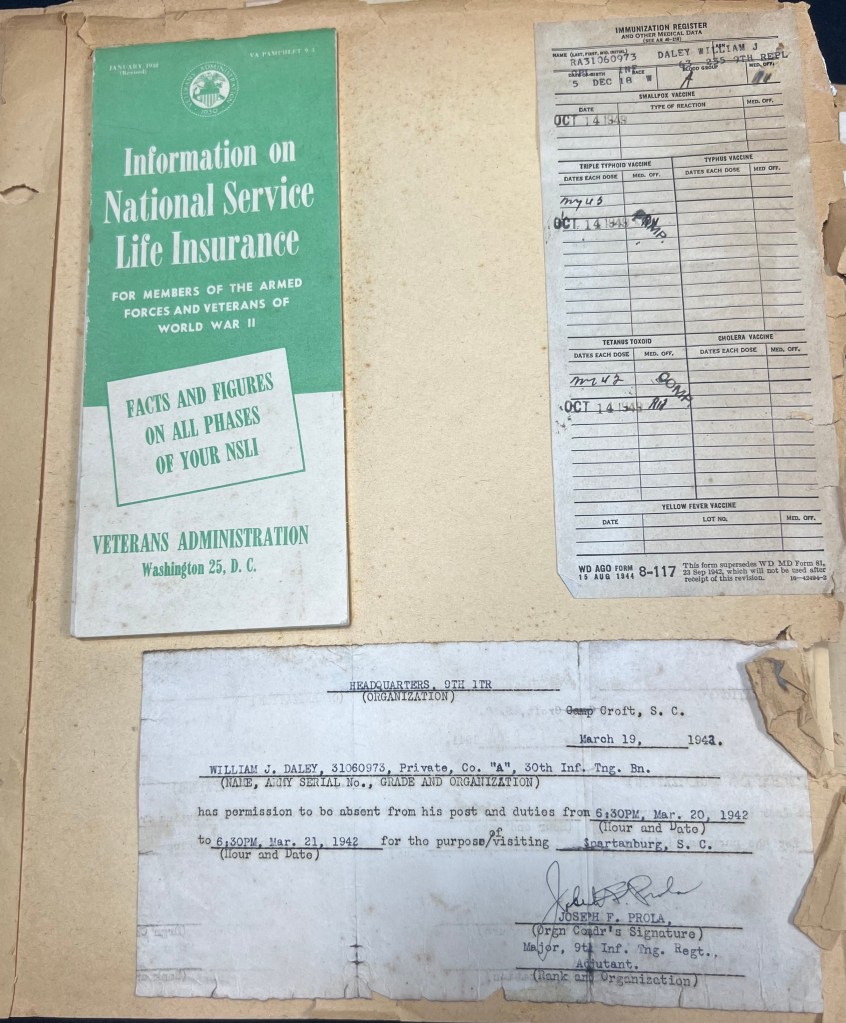
William J. Daley completed his initial infantry training at the Infantry Replacement Training Center at Camp Croft, South Carolina. A training certificate documents that from February 3 to May 16, 1942, he successfully completed the prescribed course of instruction and received specialized training as an infantryman assigned to a heavy weapons company. This training emphasized the operation of crew-served weapons, ammunition handling, defensive fire planning, and the close support of rifle companies during sustained combat, skills that would later define his role within Cannon Company of an infantry regiment.
Assignment to the 157th Infantry Regiment, Italy
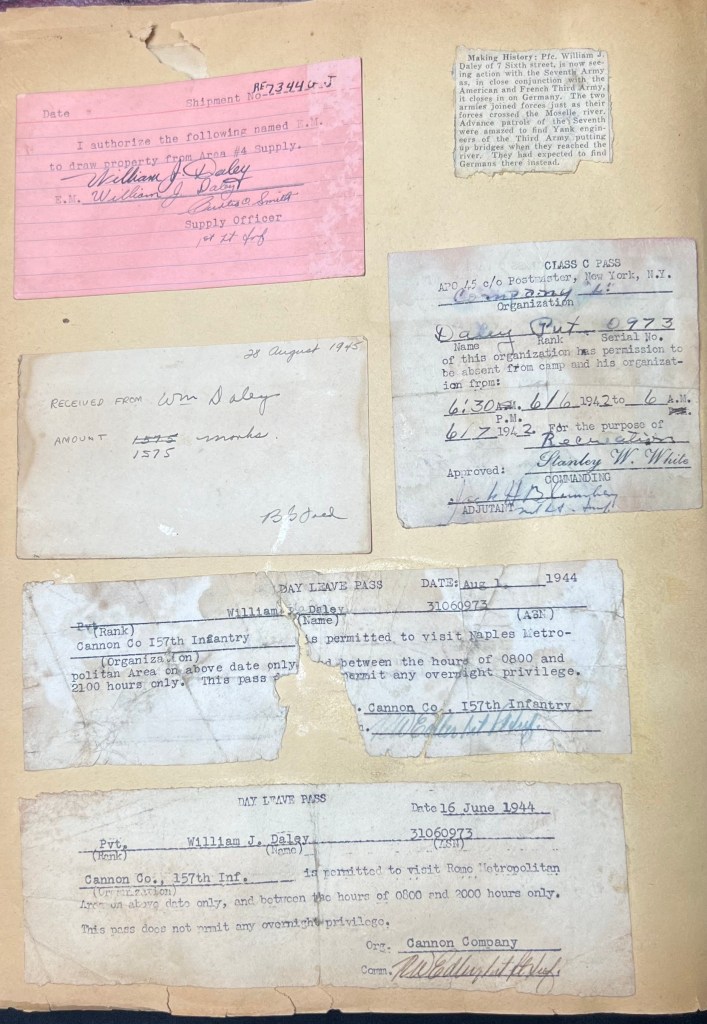
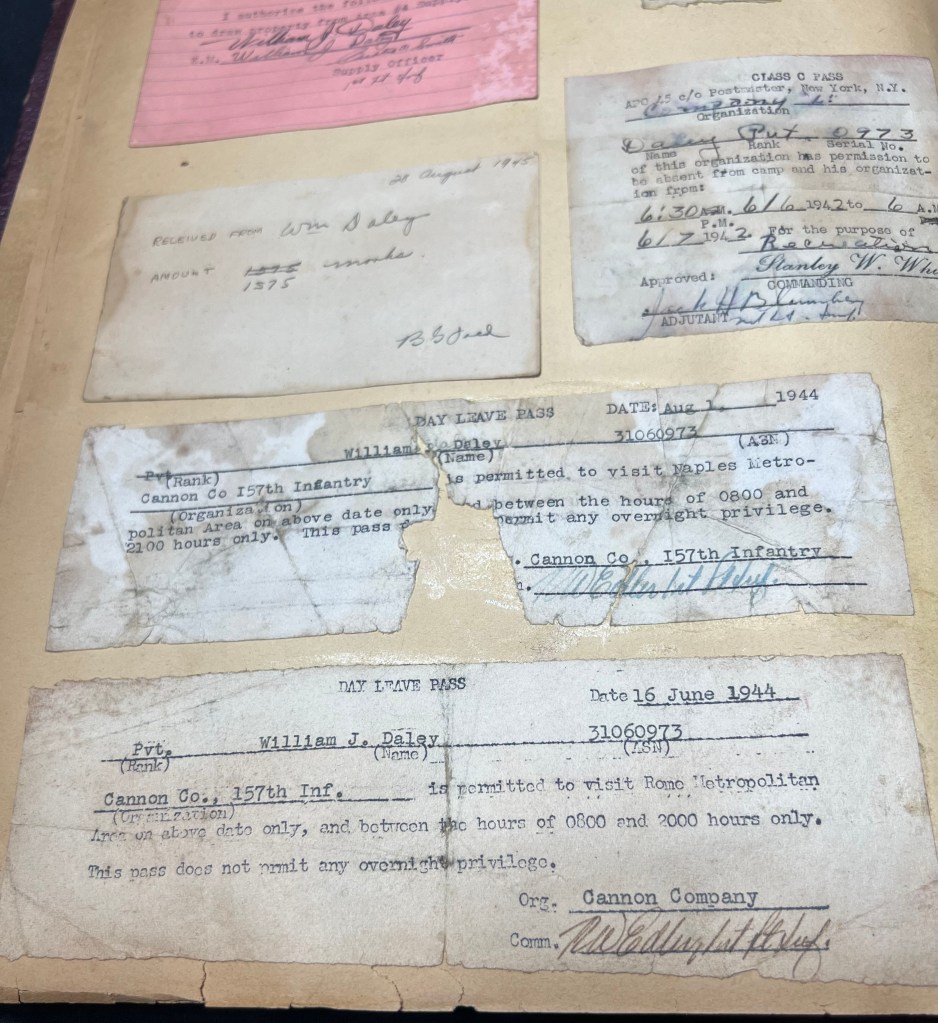
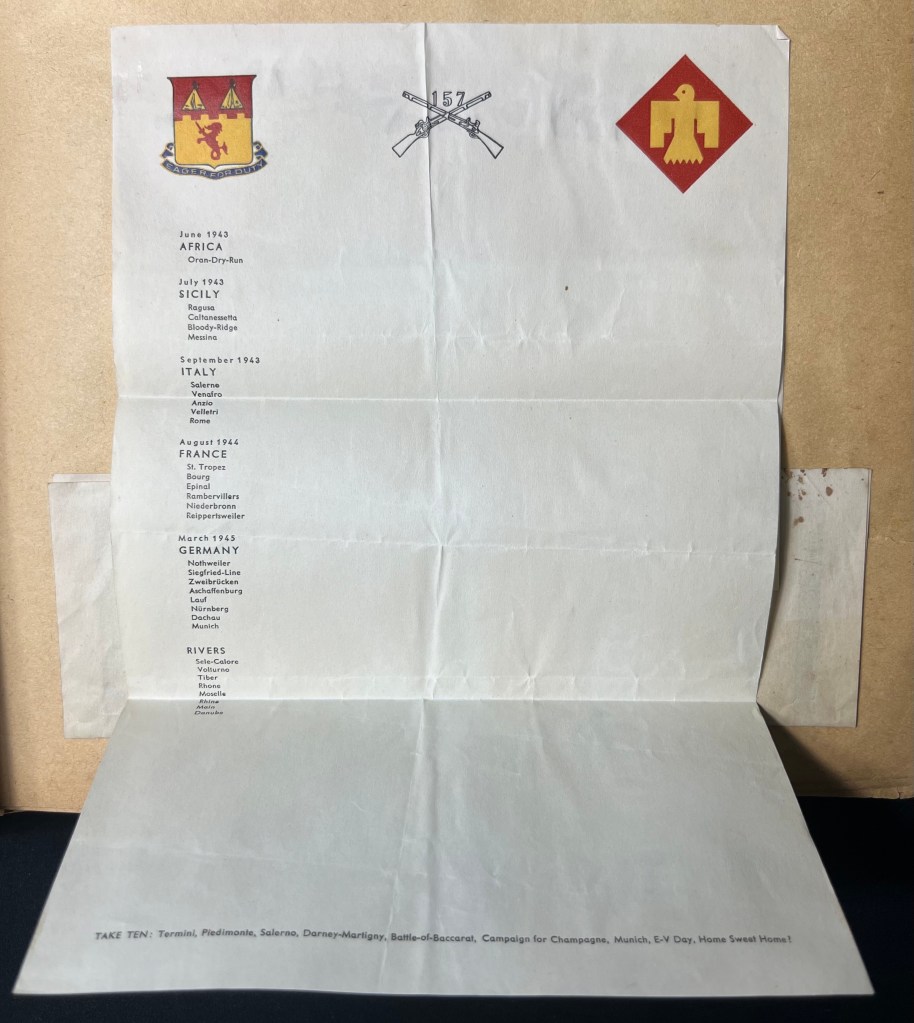
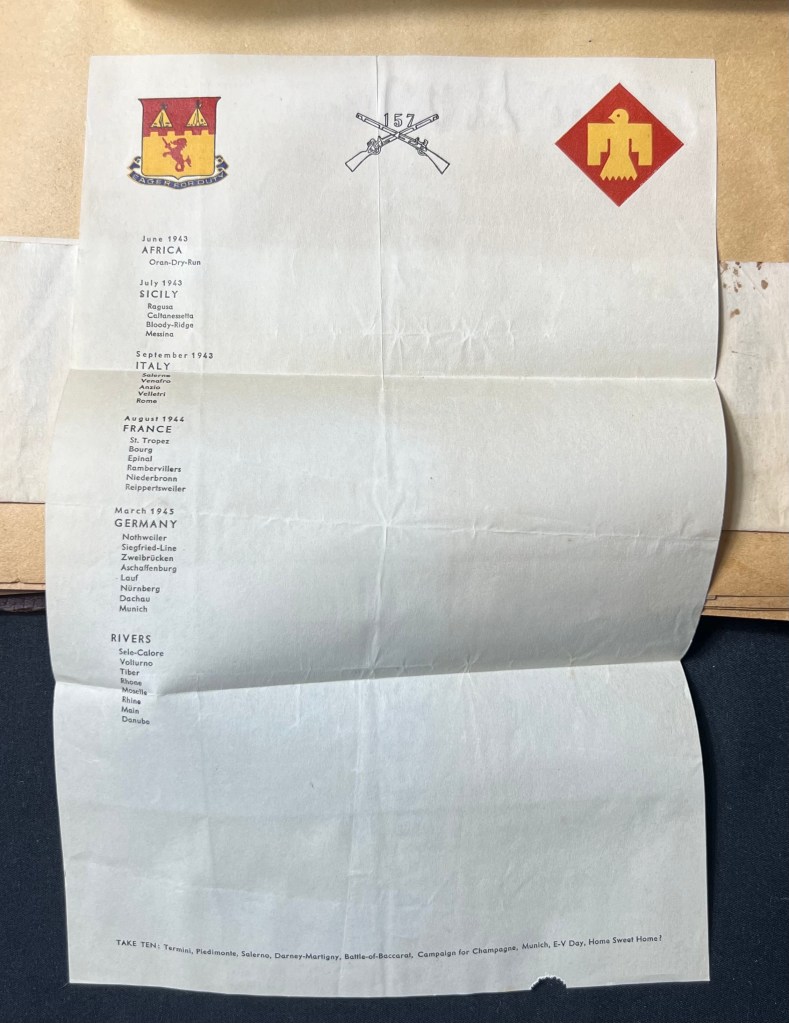
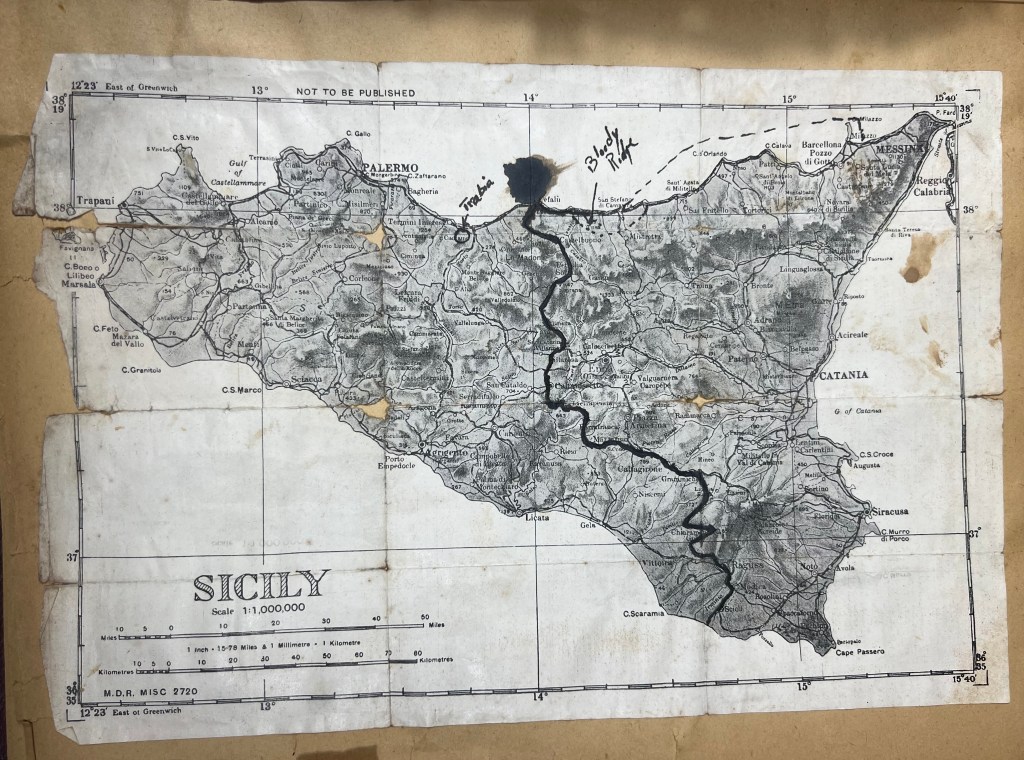
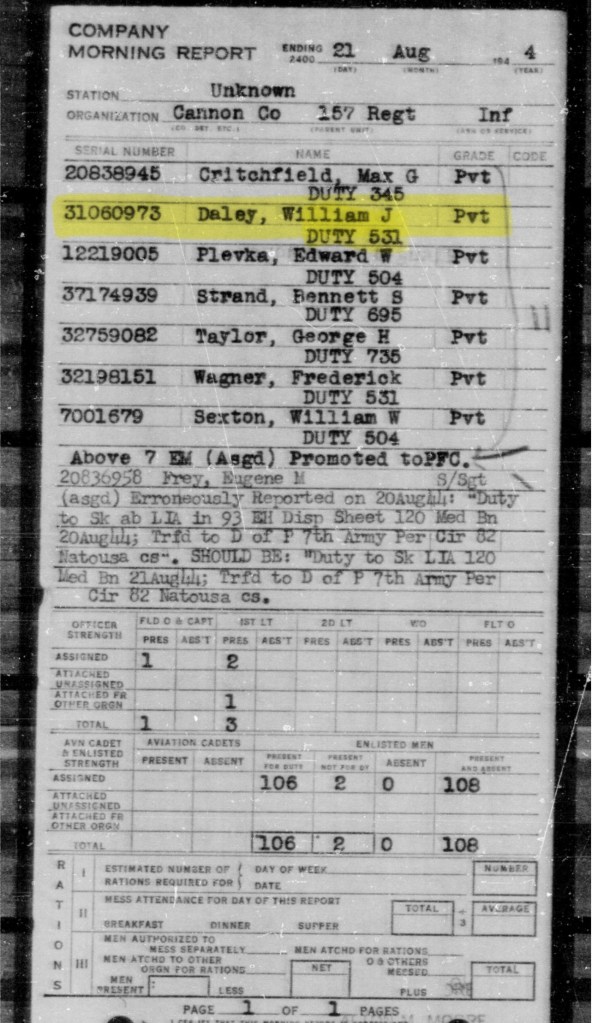
William first appears in unit records on September 1, 1943, assigned to Cannon Company, 157th Infantry Regiment, 45th Infantry Division, then stationed in Trabia, Sicily. The regiment had already seen its first combat during the invasion of Sicily in July 1943 and remained continuously engaged in operations across the island and onto the Italian mainland. While it is not definitively known whether William participated in the initial landings, morning reports list him as having been sick in the line of duty and returned to duty on August 31, 1943, confirming his presence with the unit during a period of sustained combat.
As a member of Cannon Company, William would have supported frontline infantry elements with heavy firepower, including mortars and other infantry support weapons used to suppress enemy positions, repel counterattacks, and assist assaults against fortified terrain. Throughout late summer and fall of 1943, the 157th Infantry fought in difficult terrain under constant threat from artillery, mines, and small-arms fire as Allied forces pushed north through Italy.
Combat Operations and the Combat Infantry Badge
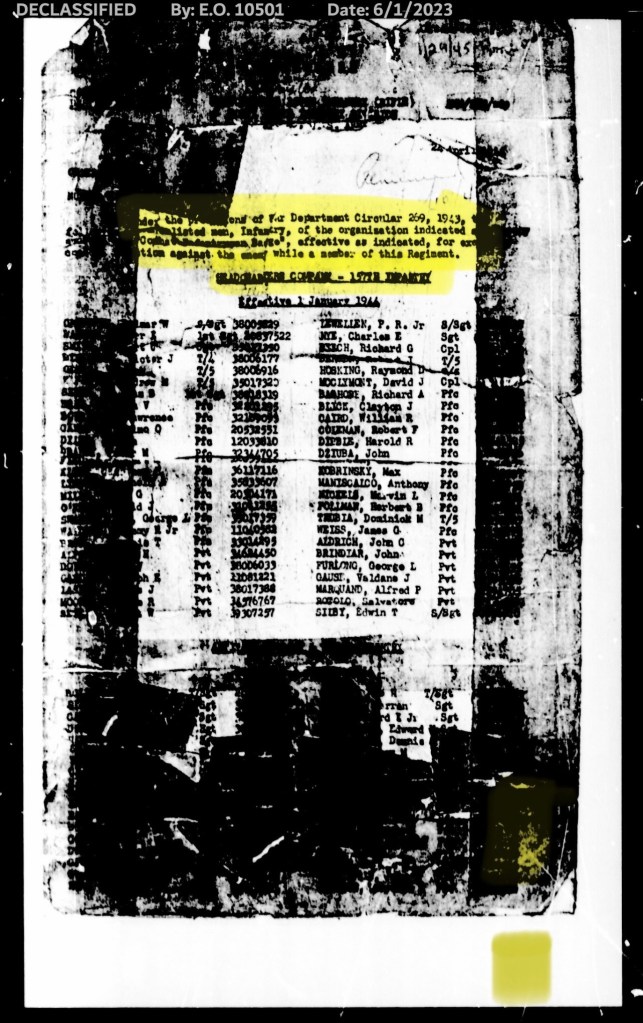
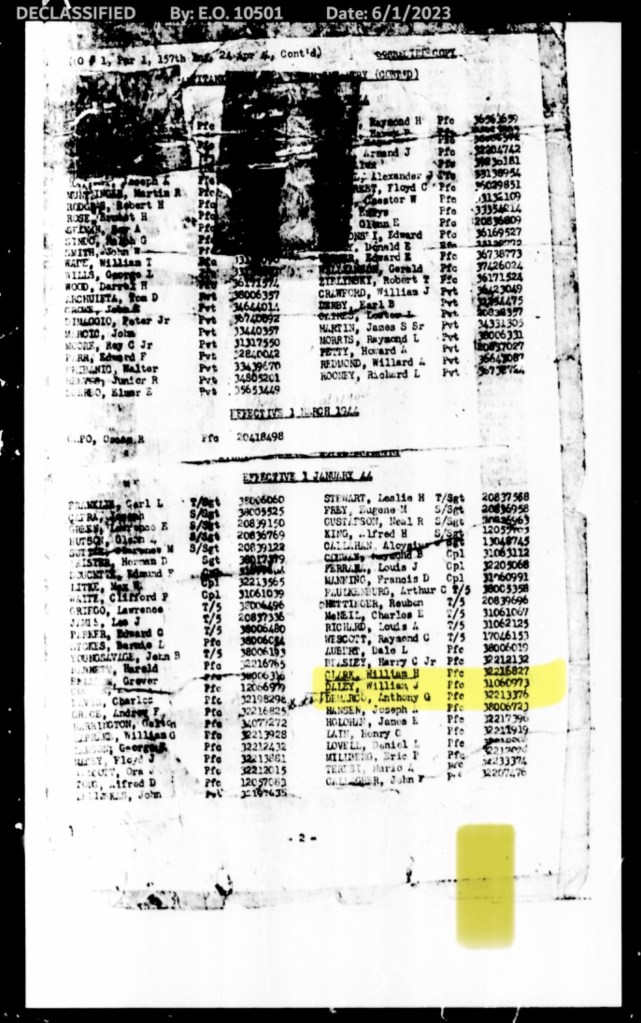
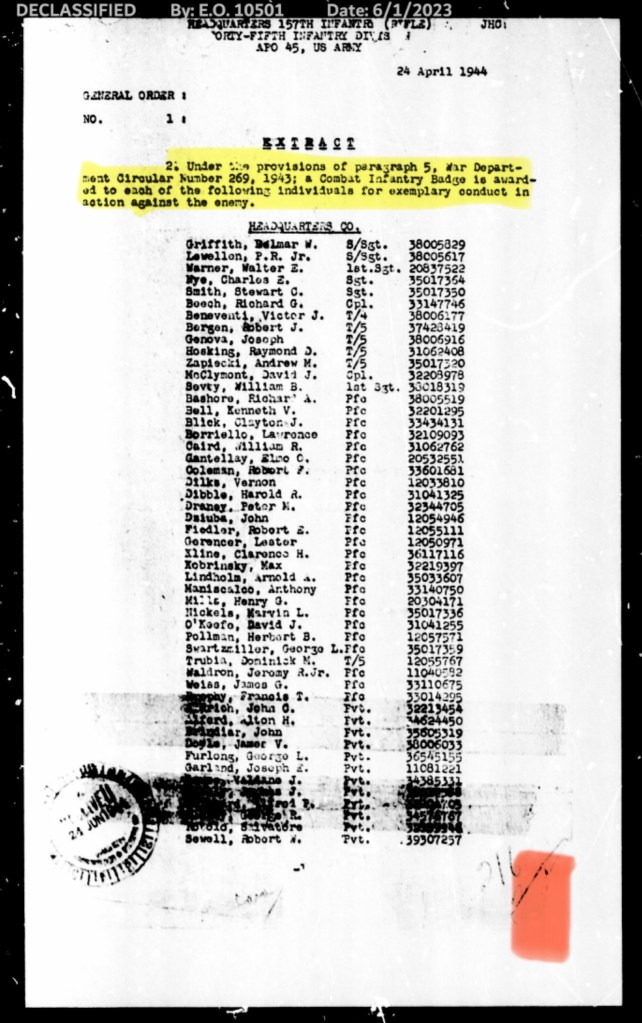
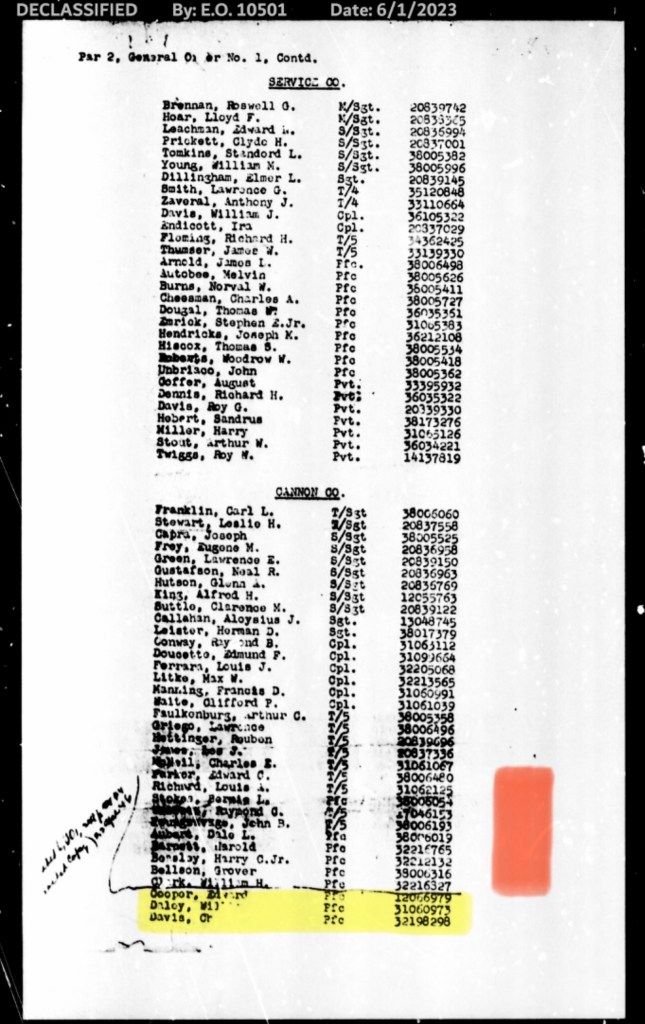
Although William does not reappear in morning reports for several months, his continued frontline service is confirmed by divisional general orders. On April 22, 1944, he is listed in orders awarding him the Combat Infantry Badge, with Cannon Company records showing the award as effective April 24, 1944.
The general order issued by the 157th Infantry Regiment stated:
“Under the provisions of paragraph 5, War Department Circular No. 269, 1943:
Combat Infantry Badge is awarded to each of the following individuals for exemplary conduct in action against the enemy.”For a Cannon Company soldier, this award reflected sustained participation in ground combat while operating in direct support of infantry assaults and defensive actions. During this period, the 157th Infantry Regiment was heavily engaged in some of the most grueling fighting of the Italian campaign, marked by repeated assaults on well-defended German positions, frequent counterattacks, and operations conducted in mountainous terrain under harsh weather and supply conditions.
Service Near Rome and Continued Operations
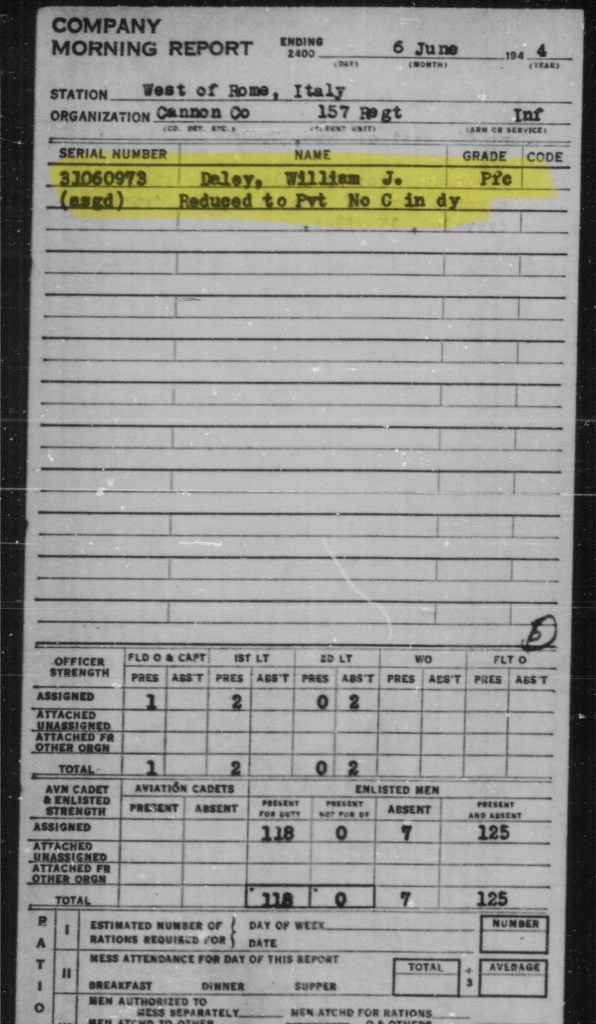
William next appears in morning reports on June 6, 1944, listed with Cannon Company west of Rome. The 45th Infantry Division had recently taken part in the breakout from the Anzio beachhead and the subsequent advance toward Rome. On this date, for reasons not specified in available records, William was reduced in rank to private.
The following month, he again appears on morning reports with Cannon Company, listed at an “unknown location,” and is promoted to private first class. The promotion suggests continued satisfactory service and reliability during ongoing operations as the division advanced northward through Italy in pursuit of retreating German forces.
Selection for Furlough and Removal from Combat
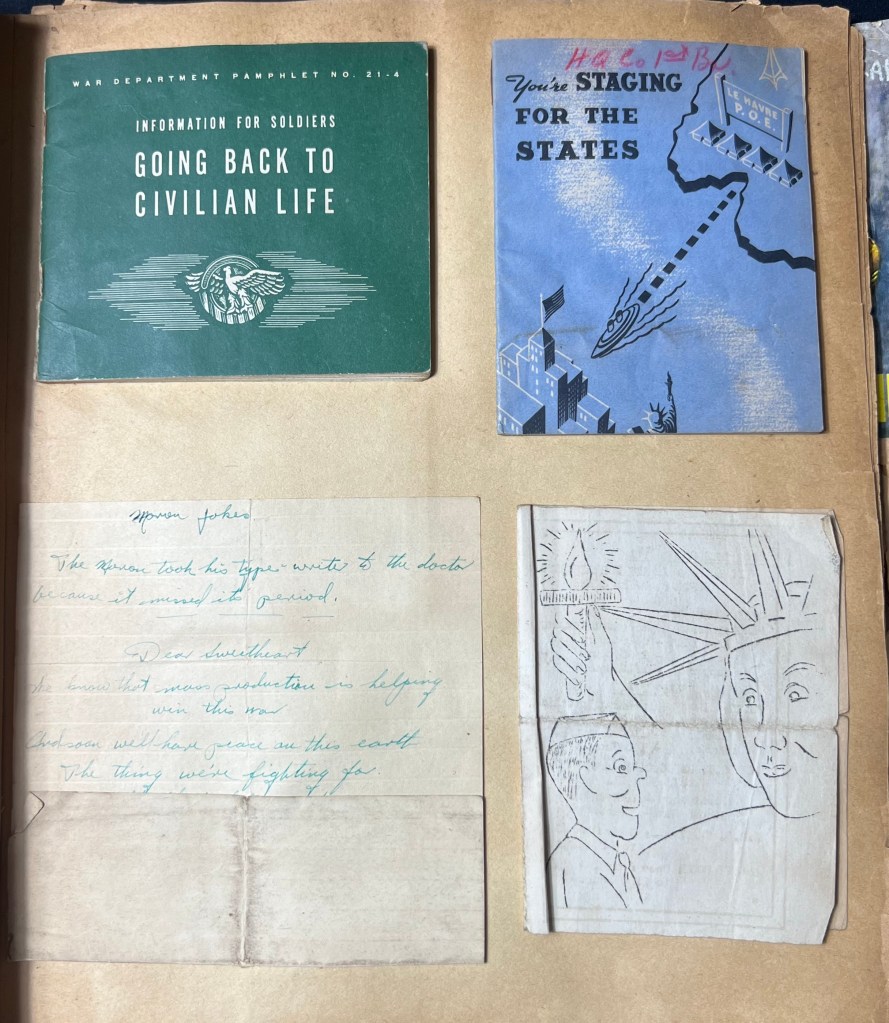
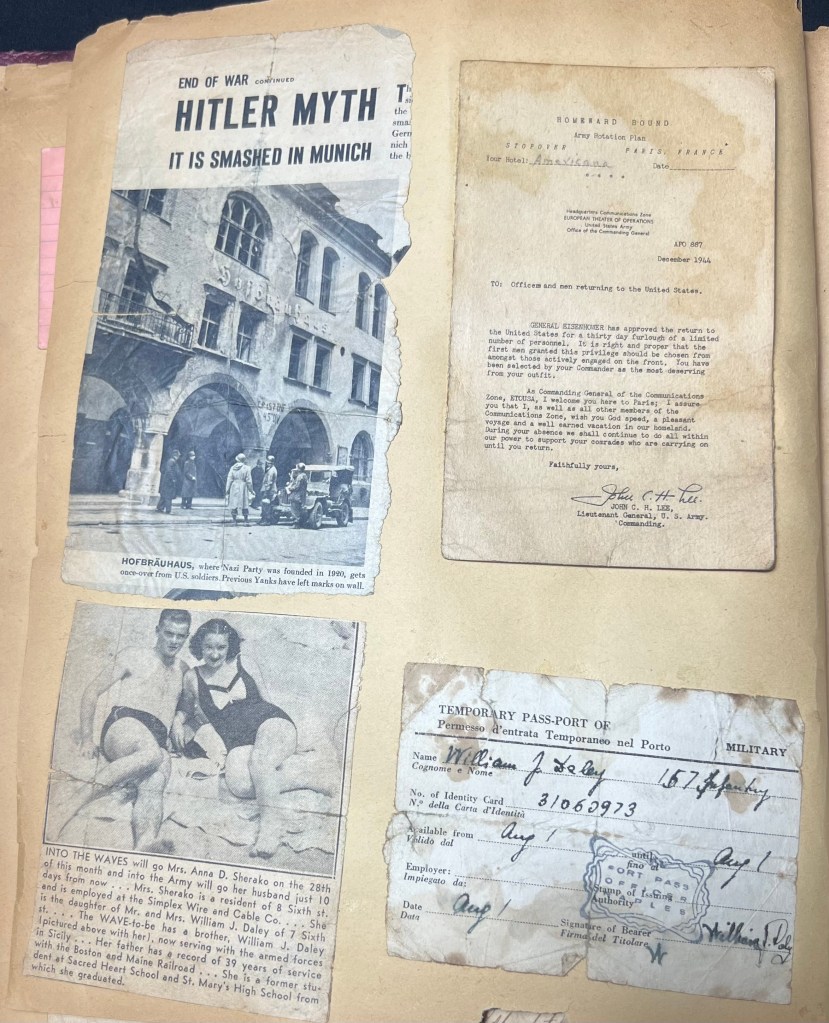
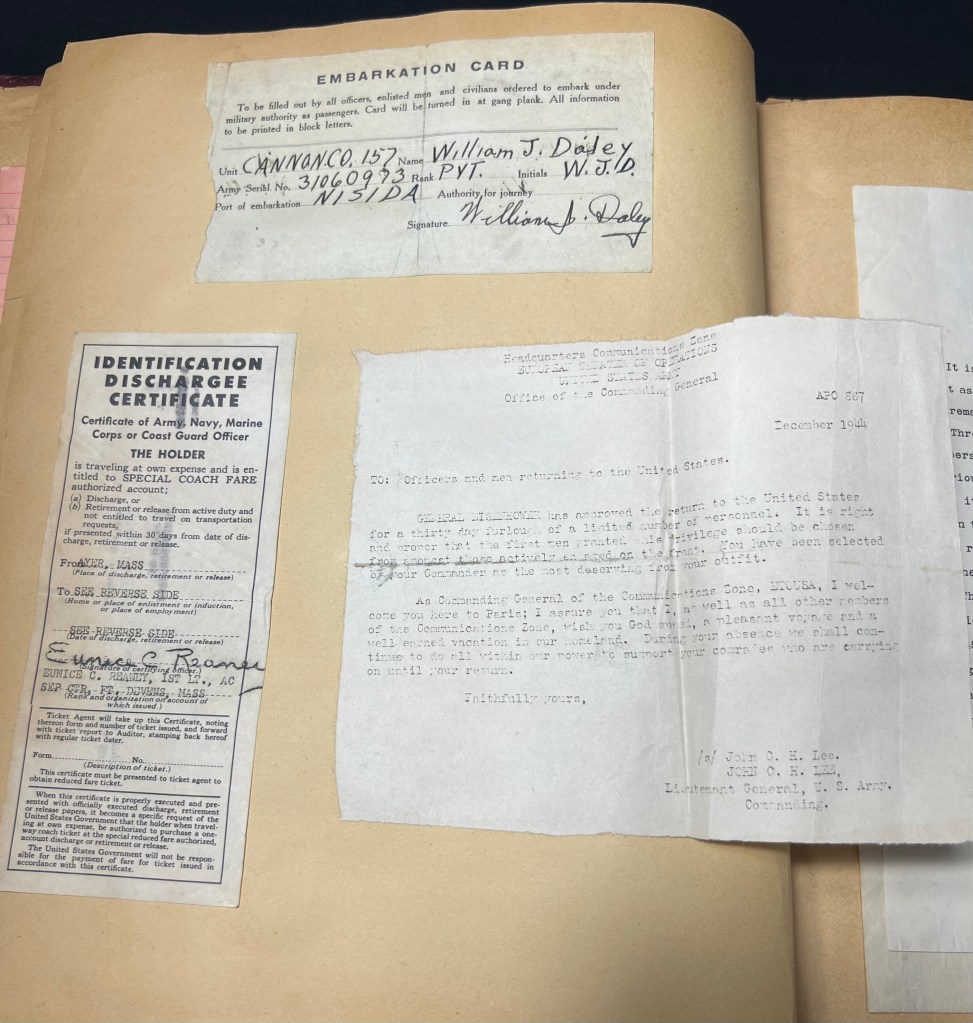
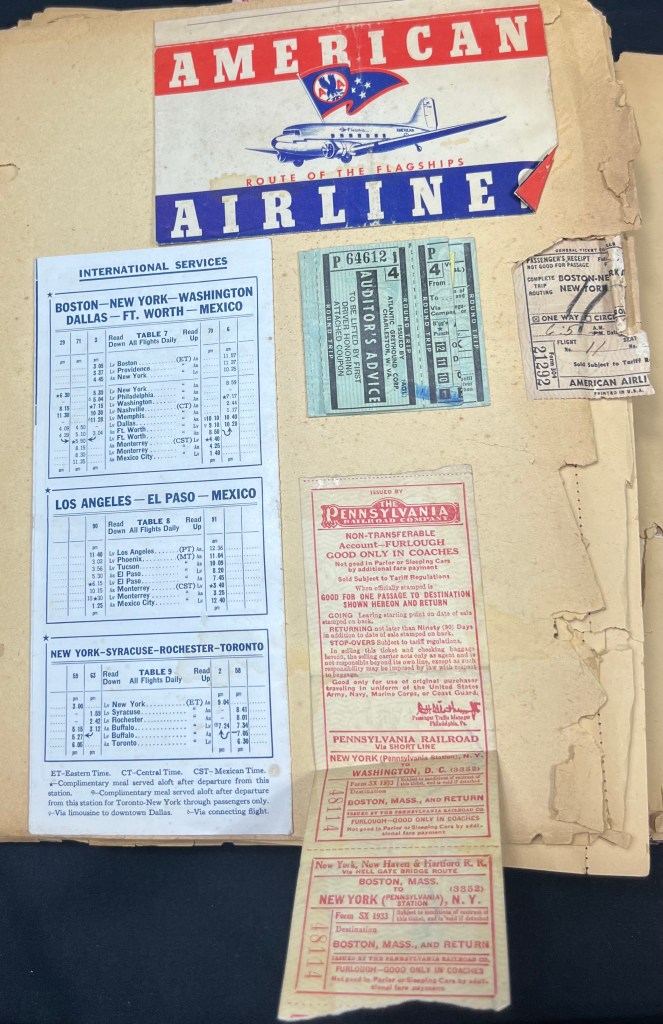
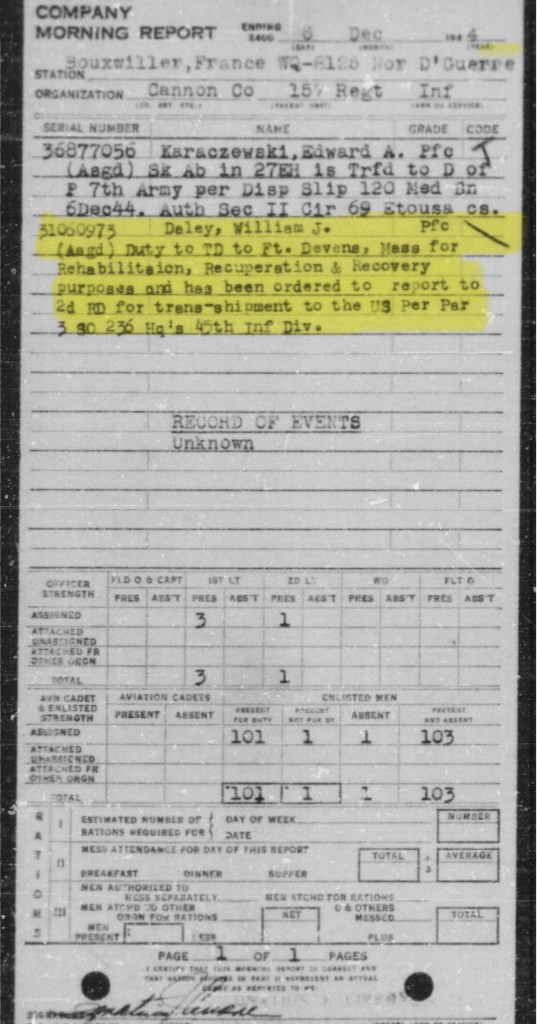
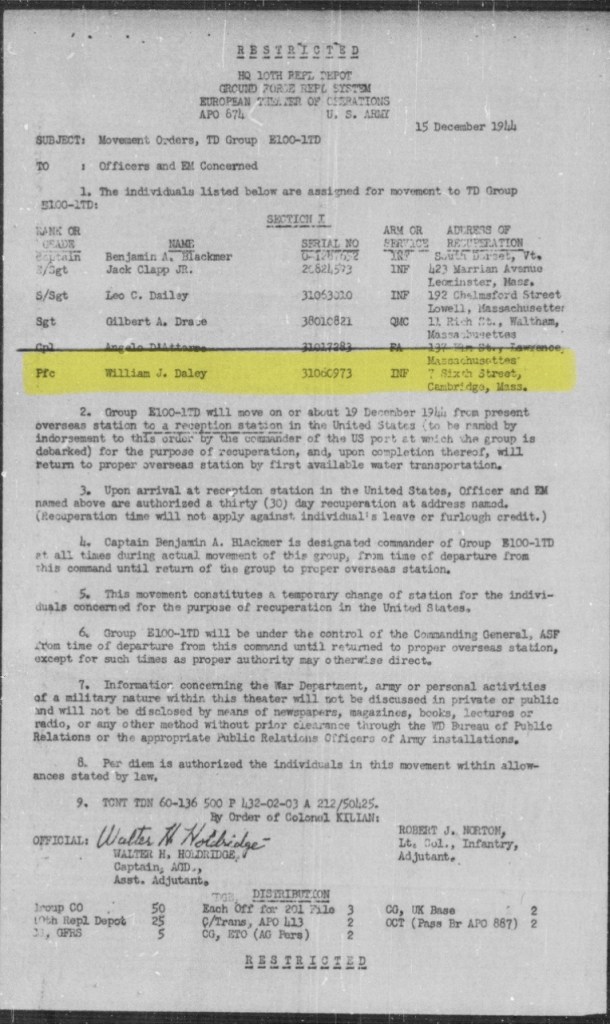
William reappears in records on December 6, 1944, when he is listed as ready for shipment to the United States for recuperation and recovery purposes. This action was part of a limited furlough program approved by General Dwight D. Eisenhower, intended to recognize soldiers who had endured prolonged and continuous frontline combat.
A December 1944 notice sent directly to William explains his selection:
“GENERAL EISENHOWER has approved the return to the United States for a thirty day furlough of a limited number of personnel.
It is right and proper that the first men granted this privilege should be chosen from amongst those actively engaged on the front.
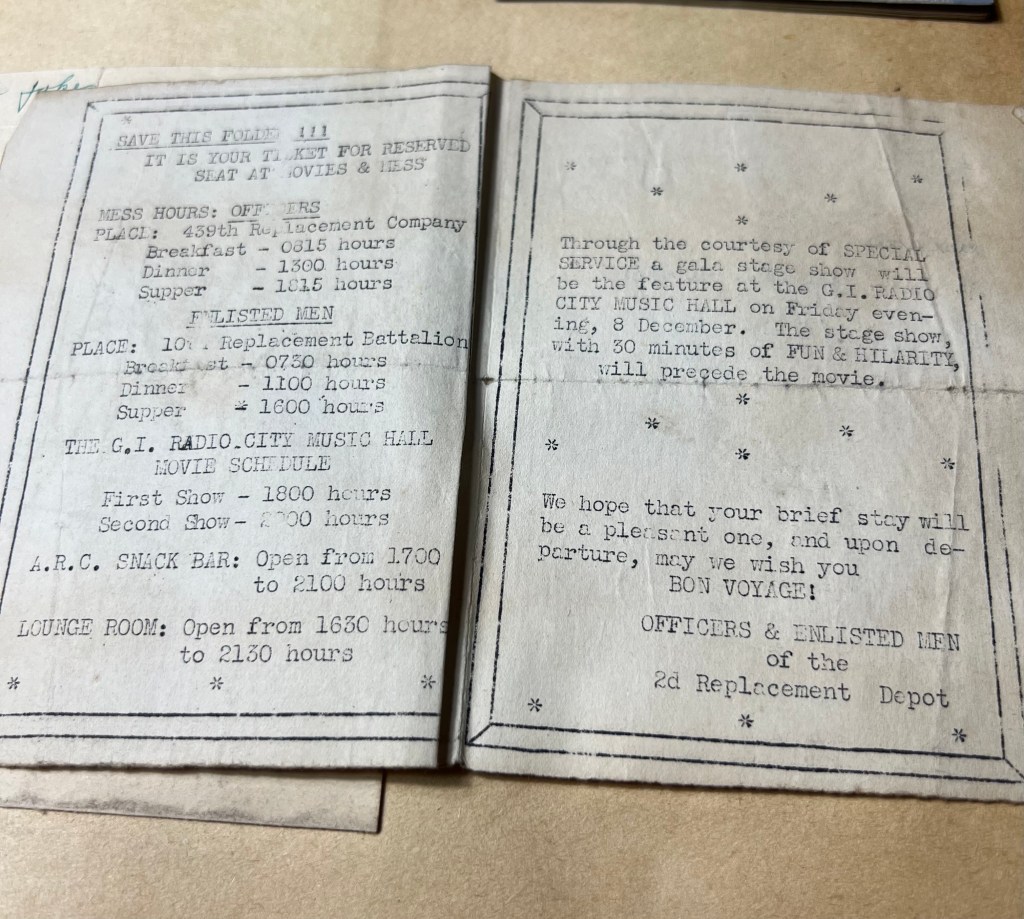
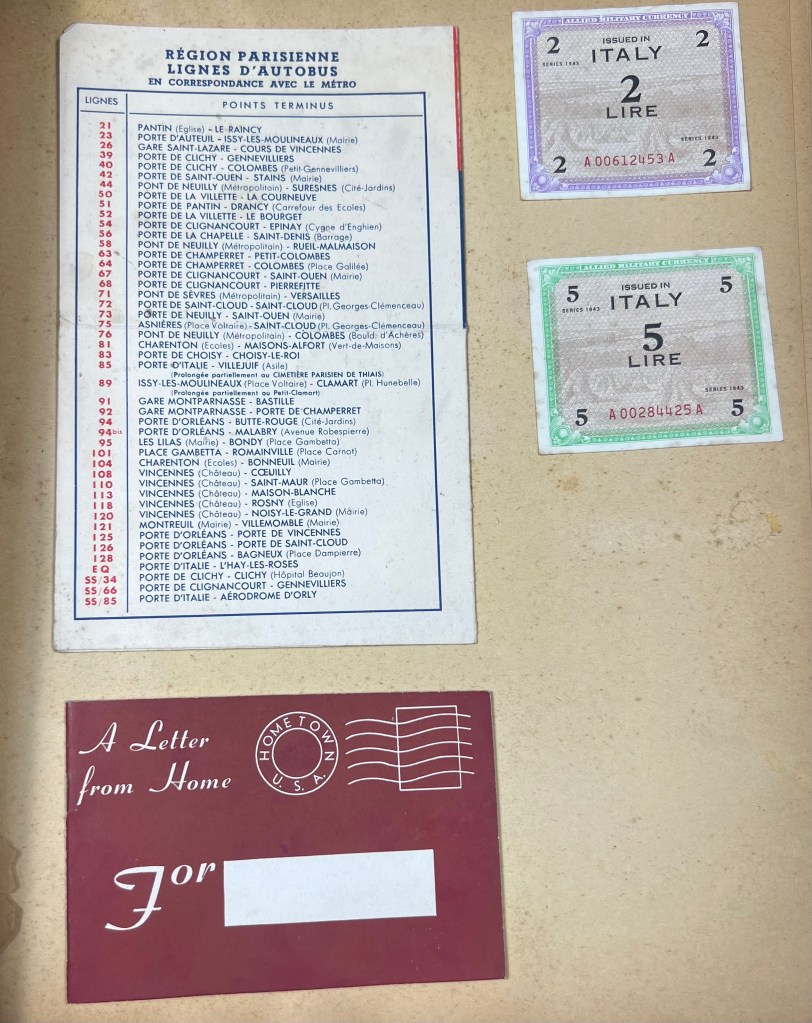
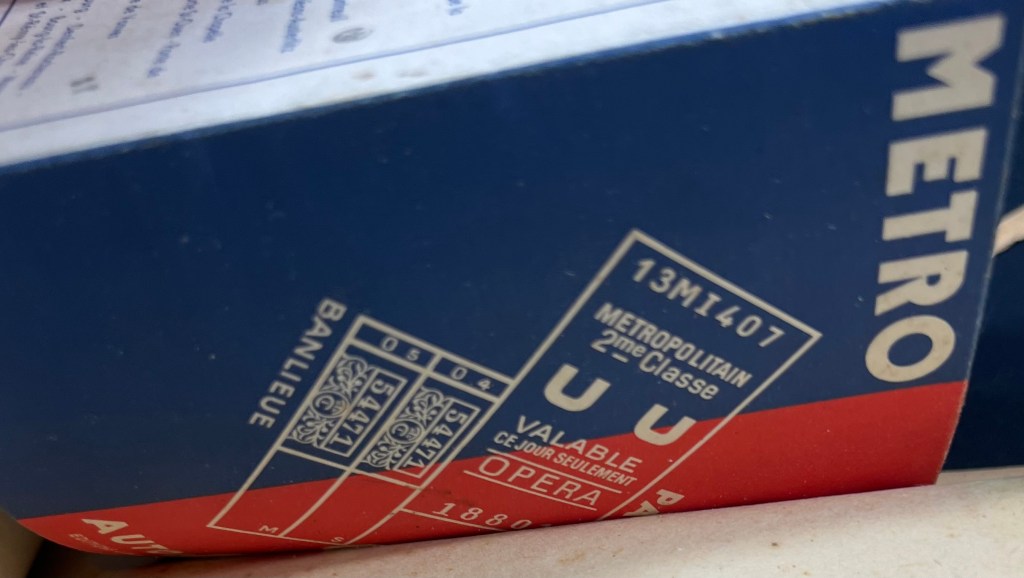
You have been selected by your Commander as the most deserving from your outfit.”Issued from Headquarters, Communications Zone, European Theater of Operations, the notice welcomed William to Paris prior to his return voyage and emphasized that his relief from combat duty was a recognition of sustained service at the front.
Separation from the 45th Infantry Division
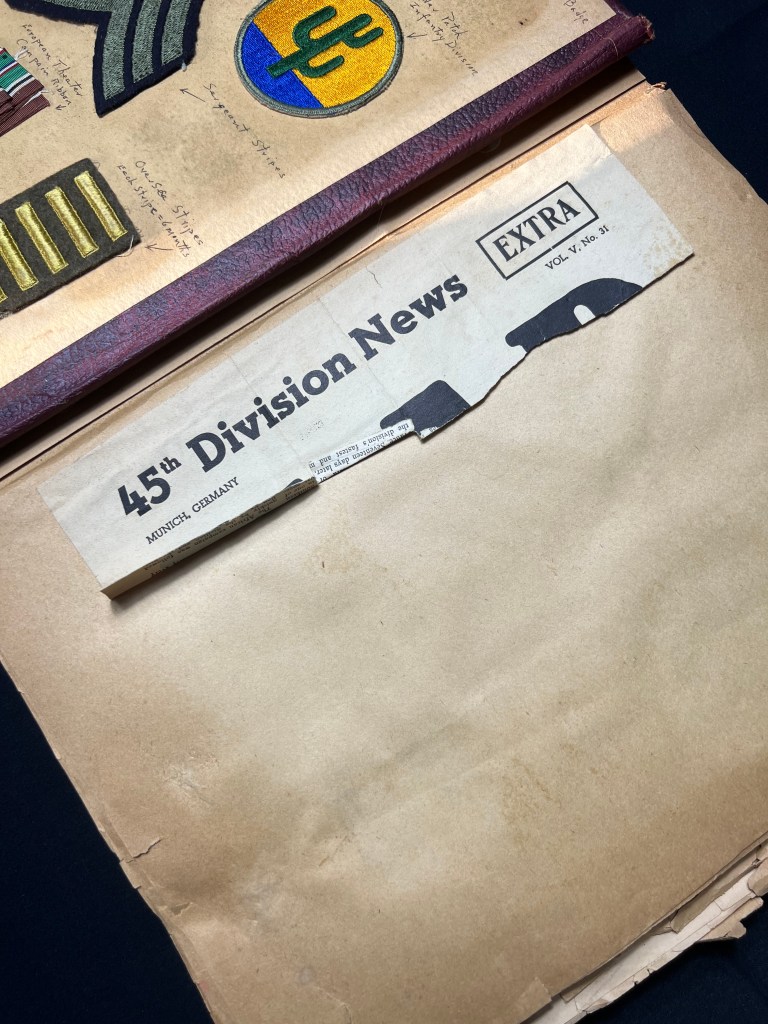
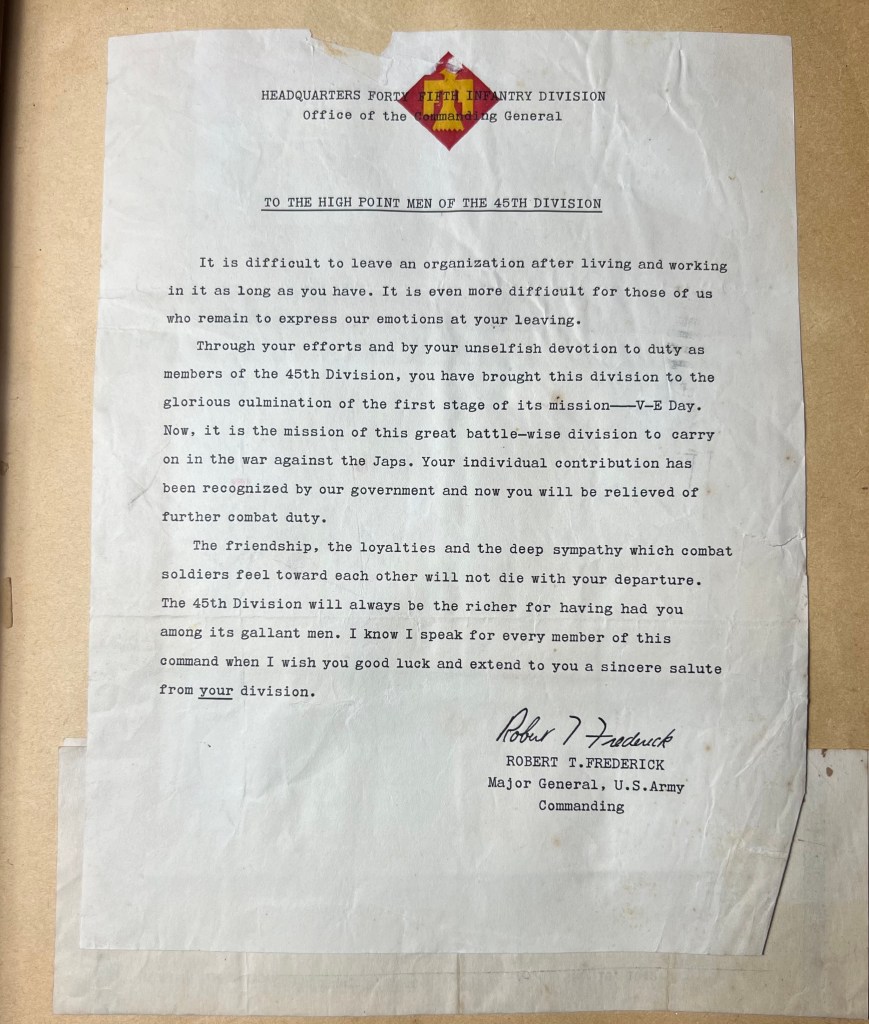
Following his selection for furlough, William no longer appears in morning reports. However, a letter he retained from the headquarters of the 45th Infantry Division clarifies his status. The message, addressed to departing personnel, confirmed that he was relieved of further combat duty and would not accompany the division to the Pacific Theater following the end of operations in Europe.
The letter praised the departing soldiers for their contributions and acknowledged their role in bringing the division to the successful completion of its European mission.
Later Service and Final Notes
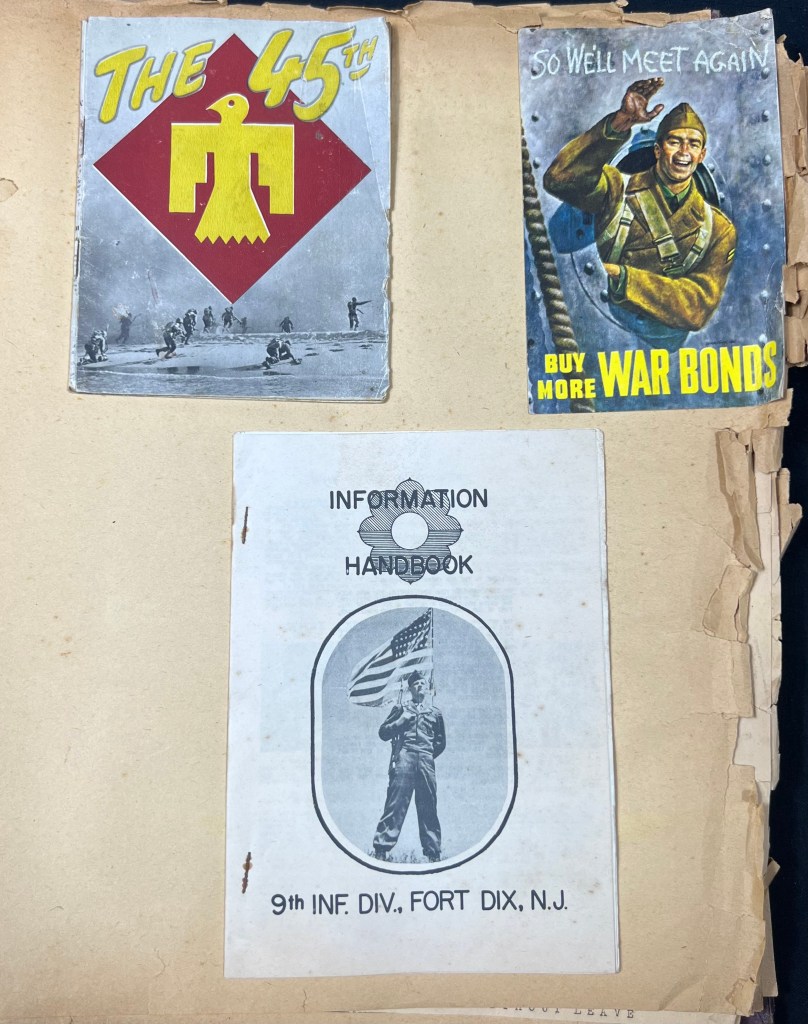
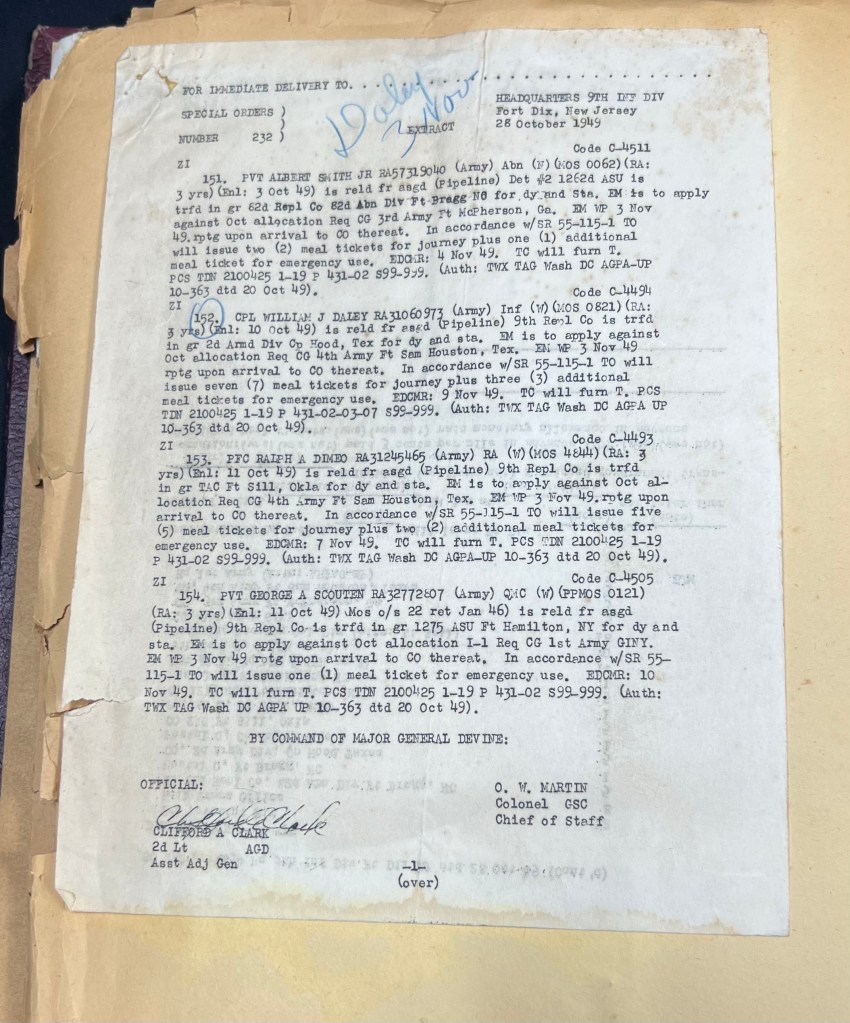
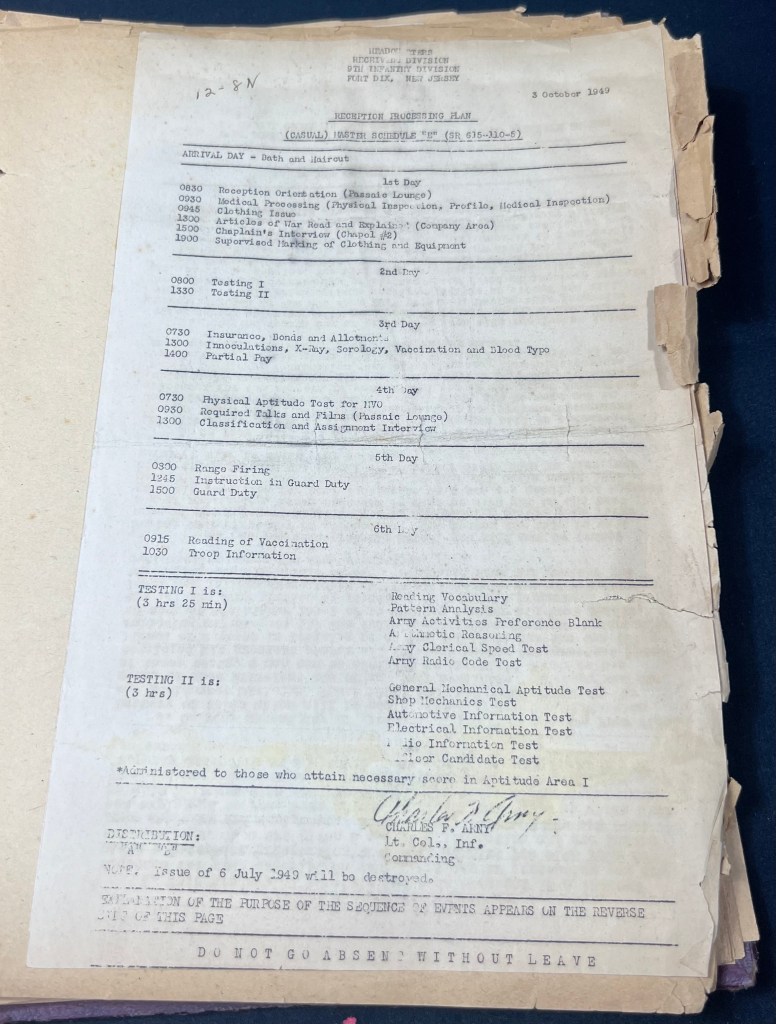
William J. Daley’s life following the war remains largely undocumented. Records indicate that he re-enlisted in November 1949 and was later associated with the 9th Infantry Division, with documentation placing him at Fort Hood, Texas, in October 1949. After this point, his military records again fall silent.









 Mass Militaria & Antiques